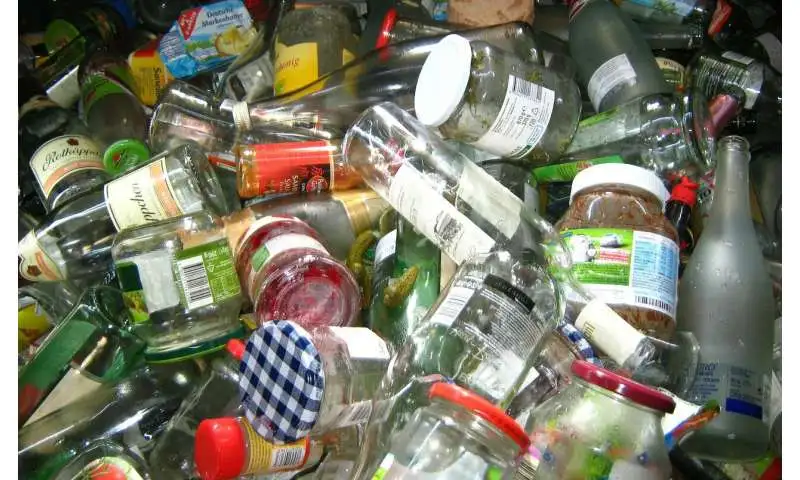
A recent University at Buffalo study has illuminated a stark reality behind the United States' persistent struggle with plastic recycling: a fundamental lack of accessible infrastructure. While plastic packaging waste generation appears relatively uniform across socioeconomic strata, the capacity to process this waste is unevenly distributed. Crucially, areas with higher plastic waste generation but lower recycling rates often suffer from a deficit of industrial recycling facilities, a scarcity compounded by lower average wealth and educational attainment in these locales.
Access is Key, Not Just Will
The research, published in Communications Sustainability, pinpoints a significant correlation between proximity to material recovery facilities and recycling rates. Specifically, regions demonstrating robust plastic recycling activity typically feature these facilities within a 30-mile radius. Conversely, states such as Texas, Alabama, Mississippi, Georgia, South Carolina, Louisiana, Oklahoma, and parts of Arkansas are flagged for high plastic waste generation coupled with low recycling performance, largely due to this infrastructure deficiency.
Read More: Gene Regulation Changes Help Species Adapt to Climate Change Faster
The study challenges the notion that individual choice or environmental consciousness is the primary driver of recycling disparities. Instead, it posits that structural issues rooted in access and infrastructure dictate recycling participation, particularly impacting what are termed "vulnerable populations." The findings suggest that US plastic recycling inequality is not merely a matter of will but a systemic issue demanding targeted interventions.
Addressing the Divide
To improve the nation's plastic recycling performance, the research team proposes a multi-pronged approach. This includes:
Strategic infrastructure development: Placing new recycling facilities in high-waste regions that currently lack them.
Investment in underserved areas: Focusing resources on rural and lower-income communities often left behind.
Policy expansion: Broadening the reach and effectiveness of programs like 'bottle bills' that incentivize recycling.
A Global Context
The United States stands out globally not for its recycling prowess, but for its sheer volume of plastic waste per person, reportedly the highest worldwide. Furthermore, its plastic packaging recycling rate significantly trails that of other developed nations. This new study underscores that improving this metric is less about urging citizens to recycle more and more about making recycling possible for everyone, everywhere.
Read More: Karoline Leavitt White House Press Secretary Job Unsteady After Criticism
Background
The interdisciplinary collaboration behind this study sought a nuanced examination of the plastic recycling landscape. It advocates for 'data-driven solutions' that integrate infrastructure enhancement with equitable policy frameworks, aiming to move toward a more robust 'circular economy' and address what is being termed 'plastic justice'. The research draws attention to 'socioeconomic disparities' and the need for 'policy interventions' in waste management.