Minutes from the Federal Reserve's March meeting reveal a central bank hesitant to commit to interest rate reductions, caught between lingering inflation concerns and the economic uncertainties introduced by the escalating conflict in Iran. While most officials still anticipate some rate cuts this year, the possibility of rate hikes has gained traction, a significant shift in outlook that underscores the delicate balancing act policymakers face.
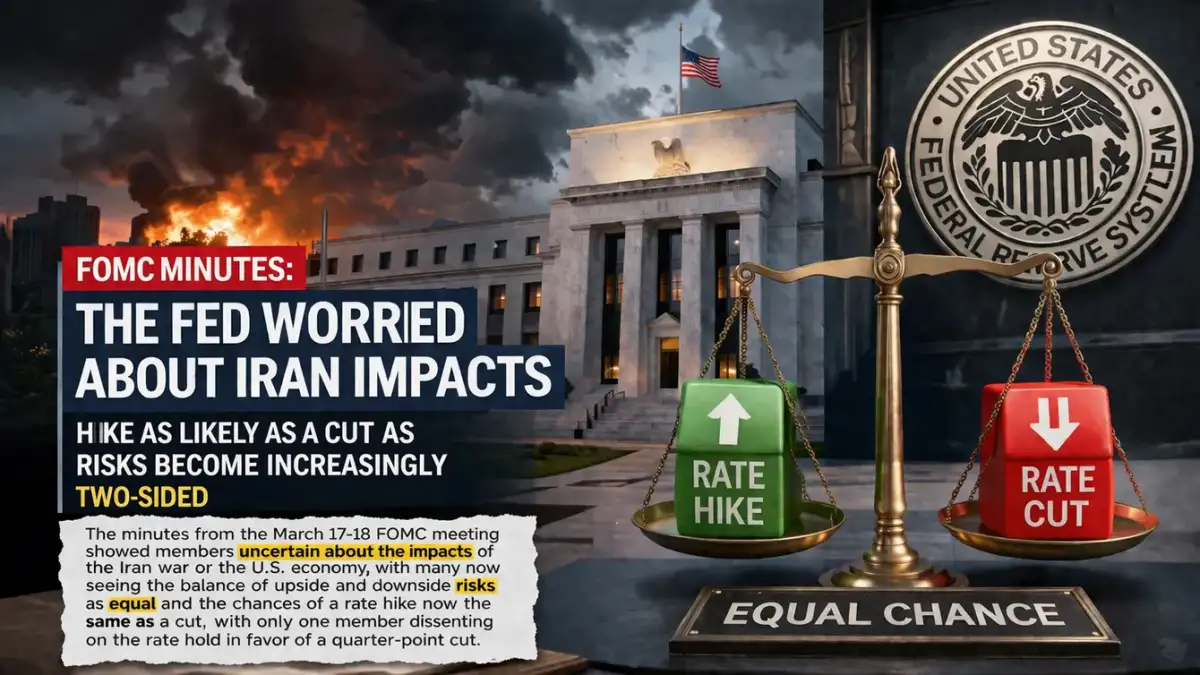
The Fed's rate-setting committee, the Federal Open Market Committee (FOMC), maintained the benchmark overnight borrowing rate at a range of 3.5%–3.75% during the March session. This decision, supported by an 11-1 vote, reflects a collective pause to assess unfolding conditions. A key concern is the potential for inflation expectations to become "unmoored" – a stark warning given the Fed's prolonged struggle to meet its 2% inflation target, a goal missed for approximately five years.
Read More: Neo Financial Now Directly Sends Interac Payments in Canada

War's Ripple Effects Cloud Economic Horizon
The conflict with Iran has introduced a complex layer of uncertainty, prompting officials to adopt a "wait-and-see" stance. This cautious approach is driven by several intertwined factors:
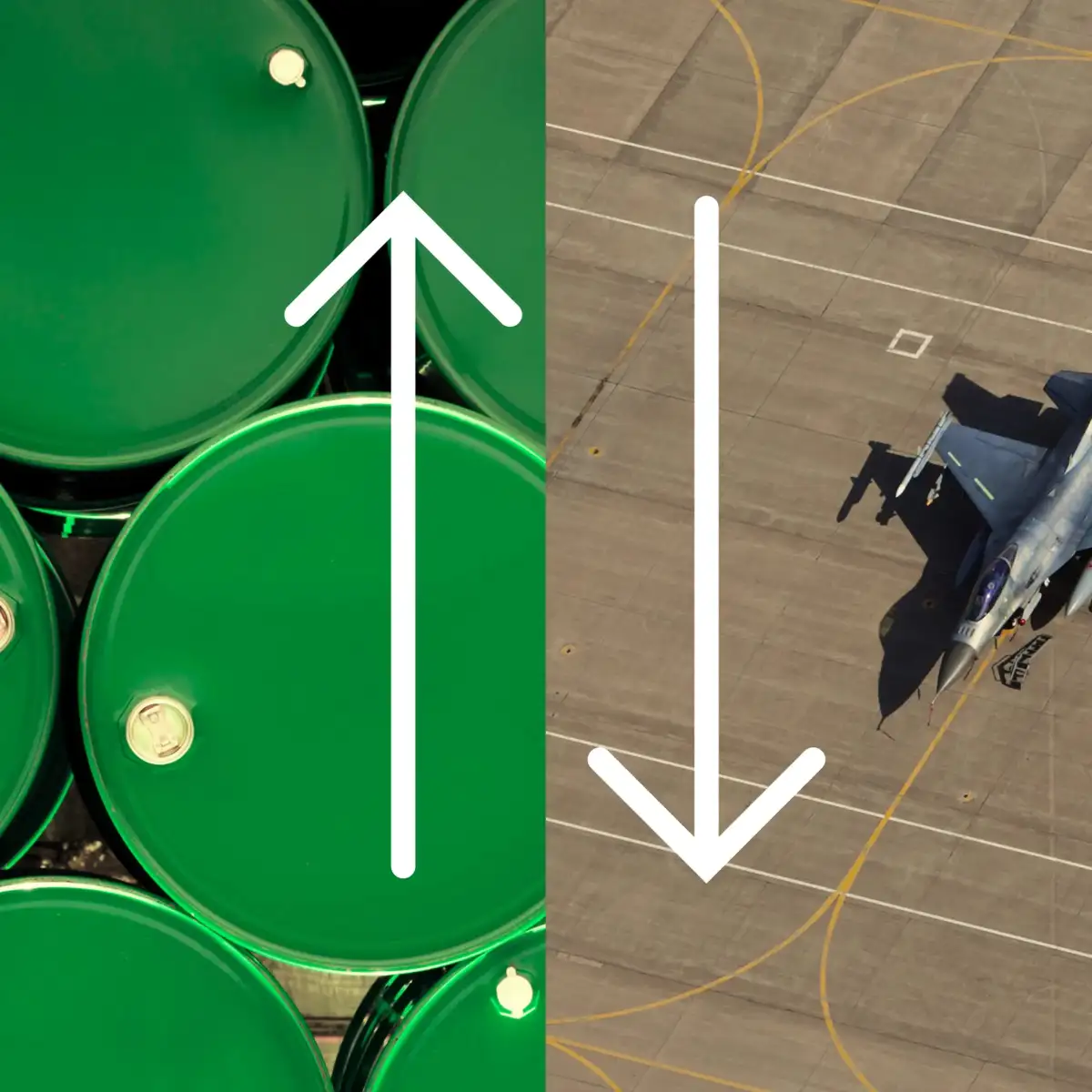
Inflationary Pressures: Higher oil prices stemming from the geopolitical instability could directly impact consumer wallets and exacerbate inflationary trends. This poses a dual risk: potentially requiring higher rates to combat inflation while simultaneously dampening economic activity.
Labor Market Softening: Conversely, some participants noted that rising energy costs might strain household purchasing power and tighten financial conditions, potentially leading to a "further softening in labor market conditions." This scenario could, paradoxically, necessitate easier monetary policy, including rate cuts, to support employment and growth.
Global Growth Concerns: The conflict's impact on international markets and trade further complicates the economic outlook, creating a more volatile environment for monetary policy decisions.
Divergent Views Emerge on Rate Path
While a majority still envision rate reductions by year-end, the minutes highlight a notable division. A growing number of officials are expressing greater openness to consider raising rates as a means to "fully tame inflation." This sentiment indicates a recalibration of risk assessment, where the prospect of a rate hike is now viewed as equally plausible as a cut, especially if inflationary pressures prove more persistent than anticipated.
Chair Jerome Powell has previously cautioned against premature rate hikes, emphasizing the lagged effects of monetary policy and the potential for such actions to negatively impact longer-term economic outcomes. This perspective adds another layer to the internal deliberations as officials grapple with the immediate risks posed by the Iran conflict versus the potential for over-tightening.
Read More: Iran's Underground Missile City Displayed Amidst Regional Tensions
Background
The Federal Reserve, the central banking system of the United States, is tasked with managing the nation's monetary policy to promote maximum employment, stable prices, and moderate long-term interest rates. The FOMC is its primary monetary policymaking body. Its meetings and the subsequent release of minutes are closely scrutinized by markets and economists for signals regarding future policy direction. The current geopolitical climate, particularly the conflict involving Iran, has introduced significant volatility into global energy markets and broader economic sentiment, complicating the Fed's mandate.