The Artemis II mission has officially transitioned into its deep-space phase following the successful execution of the Translunar Injection (TLI) burn. NASA’s Orion spacecraft, designated Integrity, fired its main engine for approximately six minutes on April 2, successfully propelling the crew away from Earth's orbit and onto a free-return trajectory.
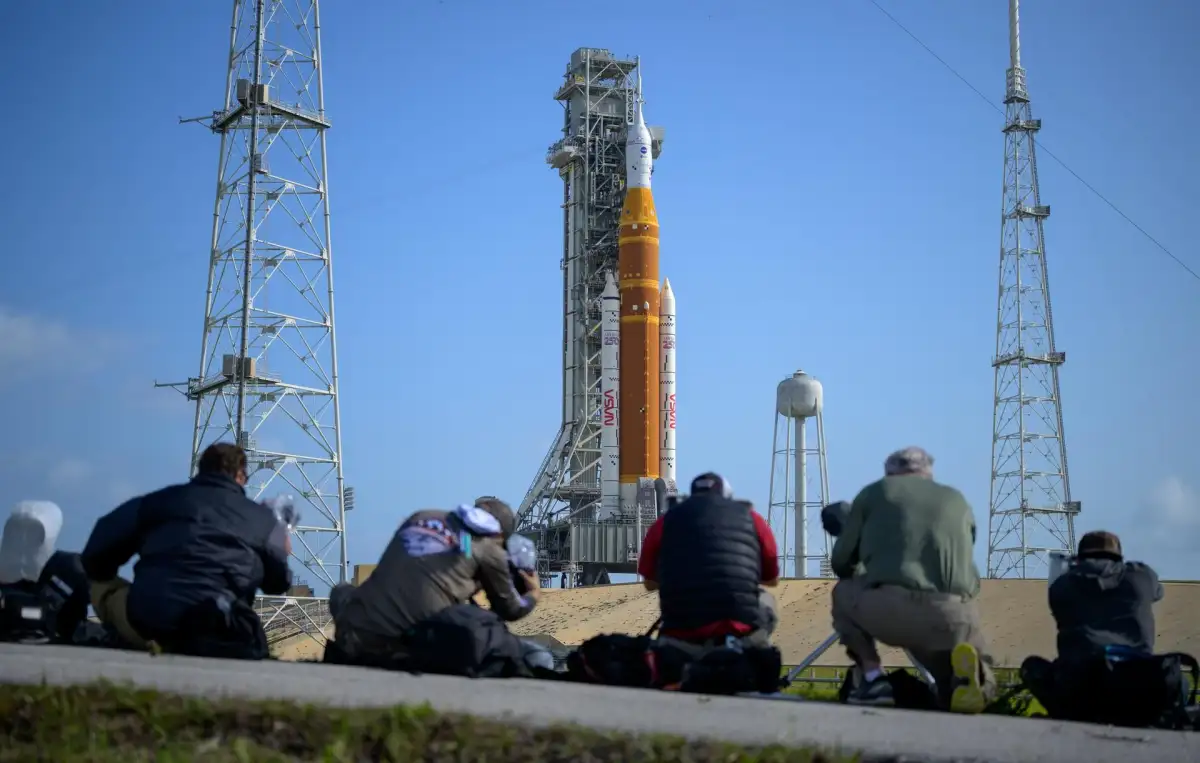
Current Status: The four-person crew—Commander Reid Wiseman, Pilot Victor Glover, Mission Specialist Christina Koch, and CSA astronaut Jeremy Hansen—is currently en route to the Moon.
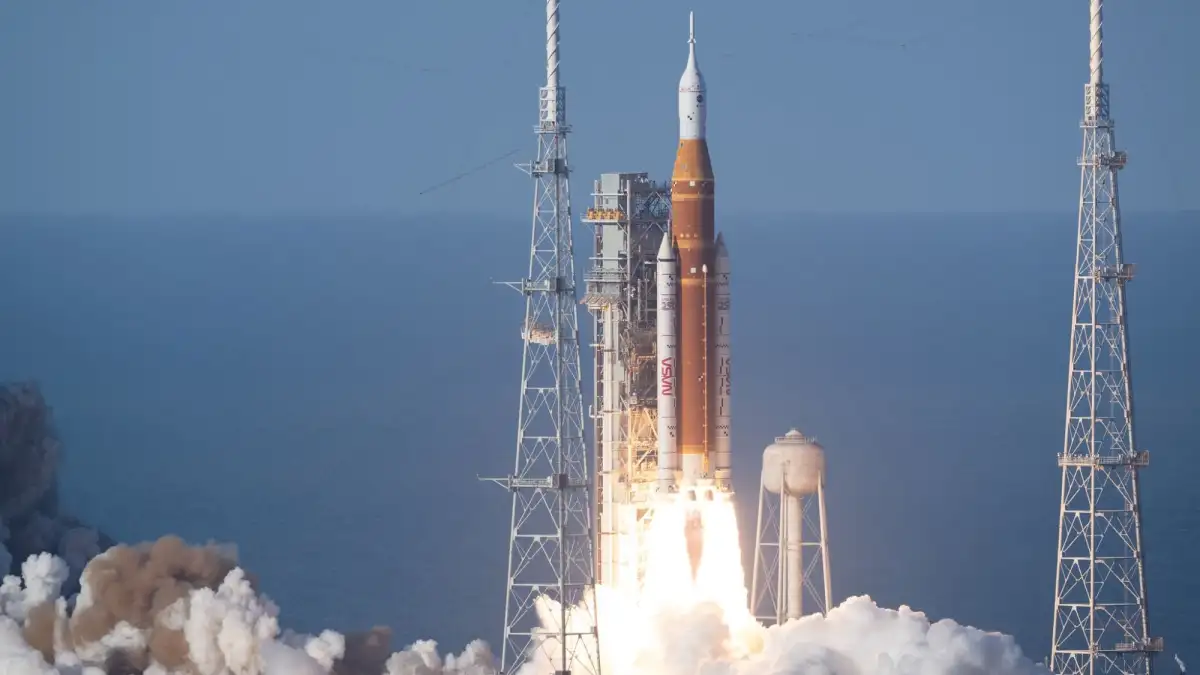
Flight Milestones: After launch on April 1 at 6:35 p.m. ET, the crew performed a successful proximity operations demonstration. This phase tested manual maneuvering capabilities around the spent upper stage of the rocket, providing critical data on the craft's handling.
Operational Incident: During the initial post-launch phase, mission control reported a brief, temporary communications disruption during a planned satellite handover. The system was restored shortly thereafter. Additionally, the crew successfully repaired the onboard toilet system, which had malfunctioned early in the flight.
| Mission Phase | Primary Objective | Status |
|---|---|---|
| Launch | Earth Escape | Completed |
| Proximity Ops | Manual Control Test | Completed |
| TLI Burn | Lunar Injection | Completed |
| Lunar Flyby | Closest approach | Pending (April 6) |
Technical Architecture and Operational Scope
The Orion capsule represents a significant shift from mid-20th-century space flight technology. The mission is tasked with proving the survivability of this "deep space" vessel before future landings are considered. Engineers are monitoring the spacecraft’s performance under sustained radiation and vacuum conditions, noting that the onboard computing systems possess substantially more memory and processing speed than the original Apollo era architecture.
The mission is defined by several layers of testing:
Symbolic: As the first crewed flight beyond Earth orbit in over 50 years, it aims to demonstrate diversity in the astronaut corps and international cooperation with the CSA.
Technical: Validating manual flight controls and long-term life support systems in a closed, isolated environment.
Strategic: Serving as a prerequisite for any future establishment of a long-term lunar presence and subsequent exploration of Mars.
Background and Context
The Artemis II mission is the second major flight in NASA's multi-stage Artemis program. While the Space Launch System (SLS) provides the necessary thrust to leave the atmosphere, the current phase focuses on the endurance of the Integrity capsule.
Read More: NASA Robot Mission Launched to Raise Swift Telescope Orbit, Add 10 Years

The trajectory set by the TLI burn is designed to loop the crew around the far side of the Moon, utilizing gravity to guide the craft back to Earth without further propulsion, ending in a scheduled splashdown. This approach minimizes reliance on fuel reserves for the return journey, provided the initial trajectory remains accurate. Mission control continues to monitor the craft as it approaches the lunar surface, with the closest flyby anticipated on April 6.