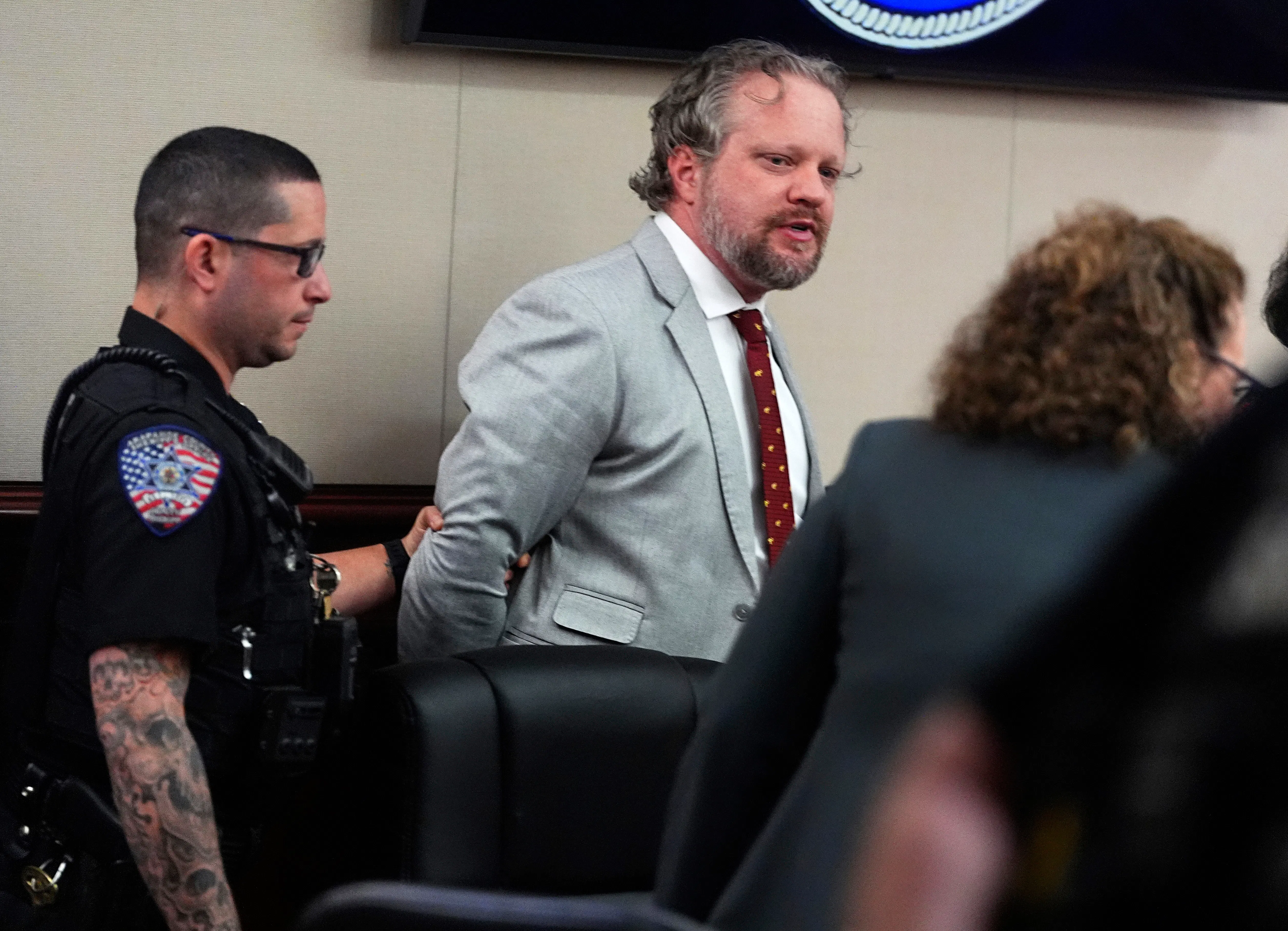
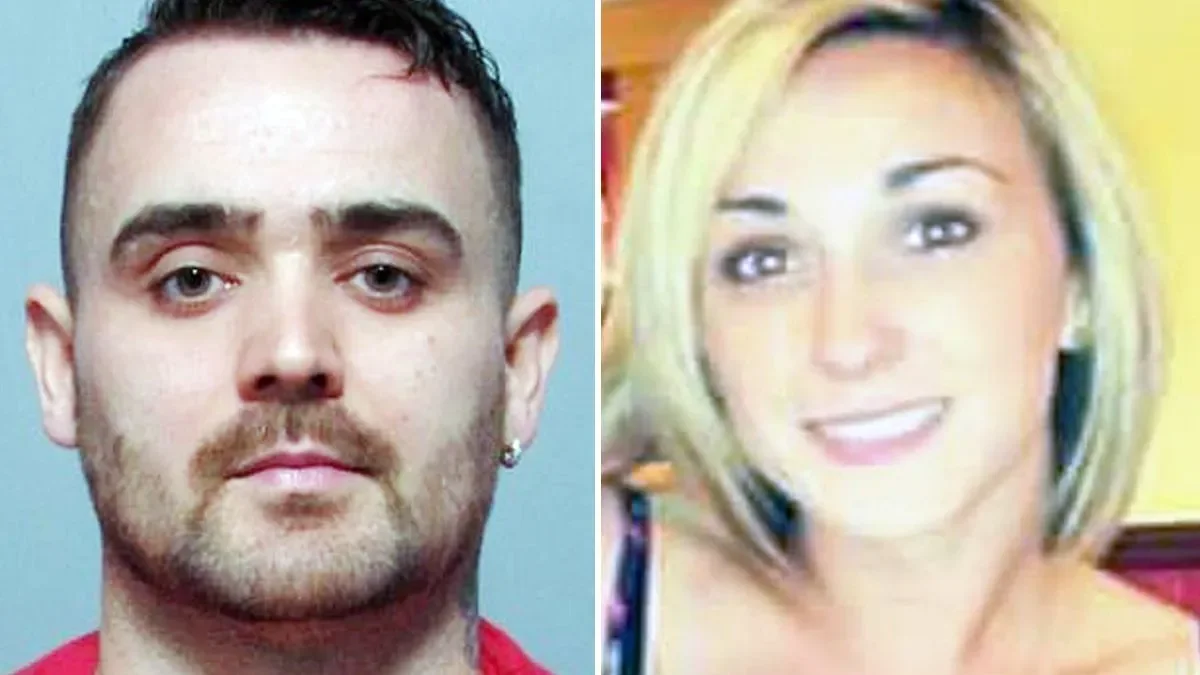
Shaquille Coke, 31, was taken into custody Tuesday, accused of orchestrating a chemical assault on his former partner, Nafiah Ikram, in 2021. Nassau County authorities allege Coke recruited an accomplice, identified as Campbell, to execute the attack in Elmont, New York, five years ago.

Evidence indicates the defendant acted out of possessive rage following the dissolution of their relationship, allegedly driving the vehicle used to facilitate the crime after meeting with his associate one hour prior.
Current Status of the Prosecution
The suspect remains in detention without bail following his arraignment. Charges against Coke include assault, criminal possession of a weapon, and the unlawful possession of noxious materials.
| Charge Category | Prosecution Status | Potential Exposure |
|---|---|---|
| Assault / Weapon Possession | Arraigned (Not Guilty Plea) | Up to 25 years |
"What we now know is that it was this defendant sitting in the driver’s seat of that car, waiting for his accomplice to return after carrying out this defendant’s twisted version of revenge." — Nassau County District Attorney Anne Donnelly
The Victim’s Ongoing Reality
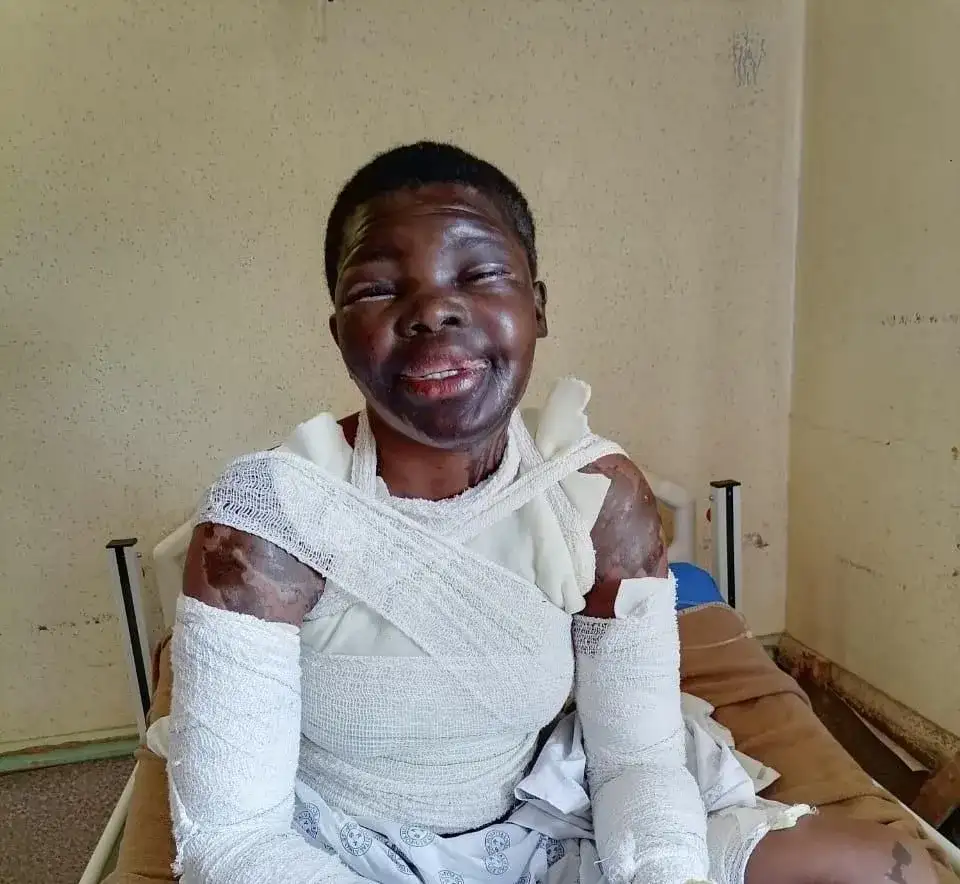
At the time of the 2021 incident, Ikram was a 21-year-old student at Hofstra University studying pre-med. The corrosive substance caused permanent damage, leaving the victim partially blind and with severe scarring.
Read More: James Craig sentenced to life in Colorado for wife's 2023 cyanide poisoning death
Physical toll: Ongoing vision impairment and reconstructive medical needs.
Emotional impact: The victim has cited profound trauma, noting the existential terror experienced during the 2021 encounter.
Investigative Context and Background
The investigation into this acid attack languished for years despite Coke being interviewed by Nassau police multiple times during the interim.
Prosecutors contend that Coke utilized a deceptive Snapchat account to maintain contact with the victim under a pseudonym after their breakup, eventually deciding to resort to physical violence when the victim ceased providing the "praise and attention" he felt entitled to receive. The case underscores a recurring pattern in gendered violence where the refusal to accept personal rejection serves as the catalyst for premeditated harm.
Note: While reports surfaced in 2025 regarding similar violence in Limpopo, South Africa, those incidents involve separate actors and geographies, reflecting a wider, systemic recurrence of chemical assault as a tool for interpersonal retribution.