Airstrikes attributed to the United States and Israel have targeted civilian infrastructure within Iran, including a key bridge, raising alarm over humanitarian consequences and potential war crimes. Reports indicate that over 1,900 people have been killed and more than 21,000 injured since the commencement of these strikes on February 28th. The International Federation of Red Cross and Red Crescent Societies has noted a sharp rise in emergency medical needs, with critical supplies facing potential shortages if the conflict persists.
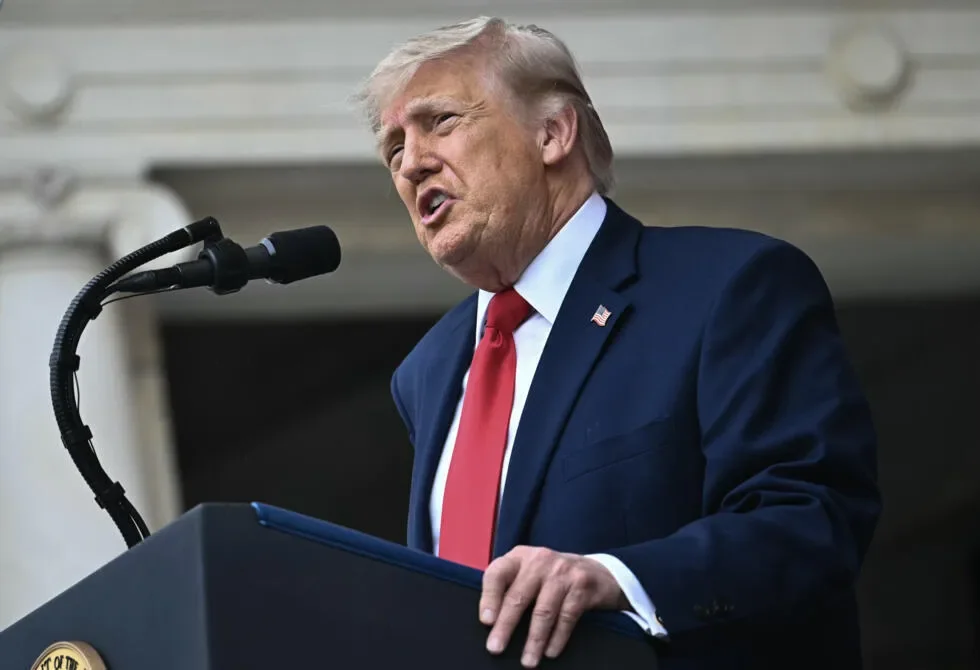
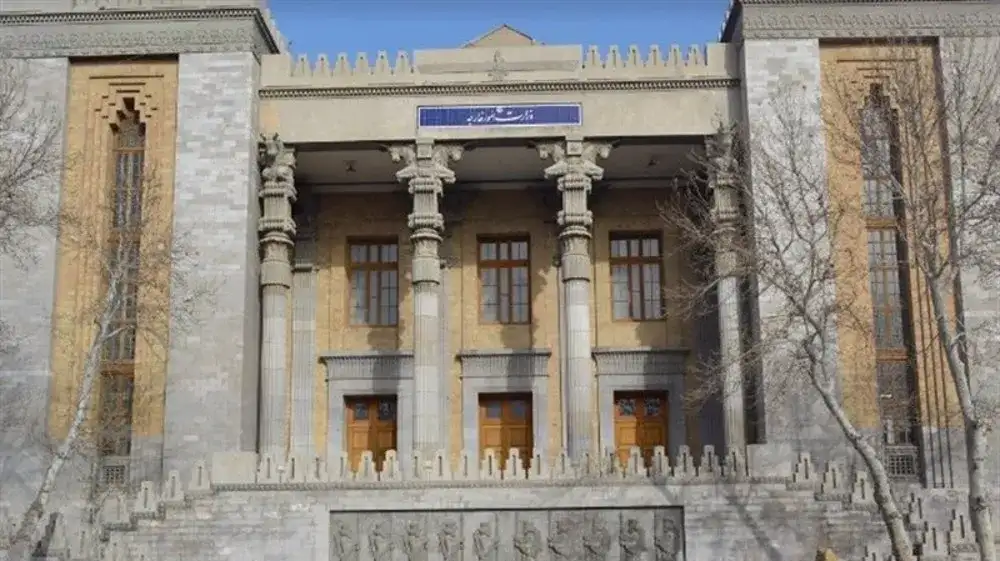
The repeated verbal threats from senior US officials, including President Donald Trump and Defense Secretary Pete Hegseth, to bomb Iran "back to the Stone Age" are now juxtaposed with tangible actions hitting civilian sites. These threats, which have specifically mentioned targeting Iran's energy and water infrastructure, including desalination facilities, have drawn strong condemnation from Iran's Foreign Ministry. Iran has labeled these actions and threats as violations of legal, moral, and humanitarian norms, and has explicitly stated that targeting infrastructure essential for civilian survival is illegal and intended to spread fear.
Read More: Iran Warns Gulf States After U.S. Naval Clash

One of the most recent documented impacts of the airstrikes is the severing of a key Iranian bridge, an action confirmed by President Trump via his social media platform, where he stated further strikes would occur unless Iran agreed to a peace treaty. The US CENTCOM has refuted Iran's claims of shooting down a US fighter jet in relation to these events. In response to the bridge strike, Iran has reportedly threatened to retaliate against regional bridges, including those in Israel.
Further underscoring the widening scope of the conflict, strikes have reportedly hit major oil and gas facilities, as well as a pharmaceutical factory producing cancer drugs. The International Federation of Red Cross and Red Crescent Societies has confirmed that three of its workers have died in the line of duty, including one during an airstrike on a medical clinic in Zanjan province on March 31st.
Read More: Gulf Oil Exports Rise in June but Still Below Pre-War Levels
Historical Echoes and International Law Concerns
The rhetoric employed by US officials, particularly President Trump's invocation of bombing Iran "back to the Stone Ages" and references to World War II-era carpet bombing tactics, has prompted legal experts to raise serious concerns. These experts suggest that the actions and rhetoric of the US and Israel may constitute serious violations of international law. Iran has formally declared these threats as constituting war crimes, emphasizing its intent to defend its sovereignty and territorial integrity. The Foreign Ministry has warned that a failure to address such actions could have significant consequences for international law and global stability.
President Trump has also reportedly considered soliciting financial assistance from Arab countries to fund the ongoing conflict. The White House Press Secretary has indicated Trump's willingness to explore such options.