A judicial order has directed the Pentagon to produce classified files pertaining to the "Tic Tac" incident, a series of aerial encounters that unfolded off the coast of Southern California in November 2004. The order, issued following a Freedom of Information Act request, compels the release of information related to the strange craft observed by Navy aviators and detected by military sensors.
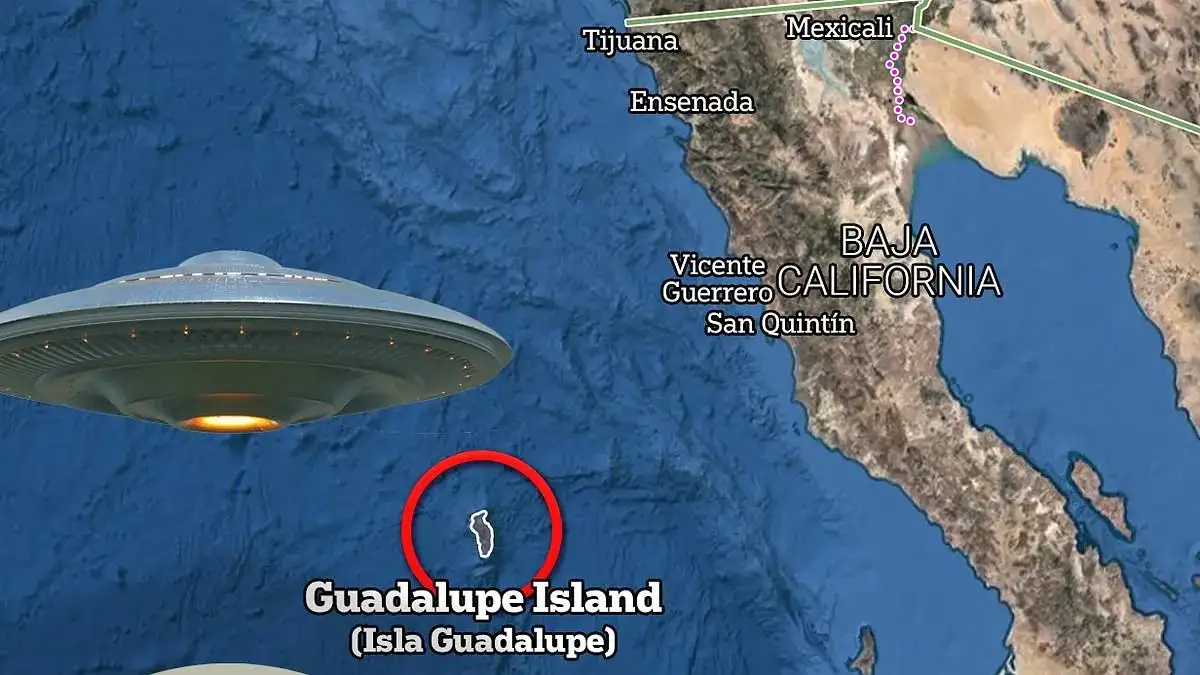
The "Tic Tac" object, described by witnesses as a smooth, white, oblong shape, exhibited flight characteristics that defied conventional understanding of known technology. These included astonishing acceleration, instantaneous changes in direction, and the ability to hover above disruptions in the ocean's surface. Reports indicate the object appeared to react to the descent of a Navy F/A-18F Super Hornet flown by Commander David Fravor.
Multiple radar systems reportedly detected anomalous aerial objects in the days preceding the widely publicized encounter involving the USS Nimitz Carrier Strike Group. Pilots aboard two separate F-18 aircraft observed the craft visually and via infrared sensors, with some of this data later confirmed as authentic by the Pentagon. These observations have fueled persistent discussions about the nature of 'Unidentified Aerial Phenomena' (UAP).
Read More: Artemis Moon Base Faces Radiation and Extreme Cold Dangers by 2030

Witness Accounts and Radar Contacts
Retired Commander David Fravor, a key pilot involved in the 2004 event, has stated the observed object possessed no visible means of propulsion or flight surfaces. This lack of conventional engineering has been a central point of discussion regarding the incident. Reports suggest military intelligence may have been monitoring similar phenomena for a period leading up to the Nimitz encounter, with some accounts referencing underwater radar data from the USS Princeton.

A Persistent Enigma
The "Tic Tac" incident, first brought into wider public view years after the event, has become a touchstone in the ongoing examination of UAP. Its recurrence in congressional hearings and government investigations underscores its perceived significance. The demand for access to further classified details suggests a continued official interest in the implications of these events, and a push for greater transparency surrounding them.
Read More: Defense Secretary Hegseth Asks Army Chief George to Resign on Thursday
Background
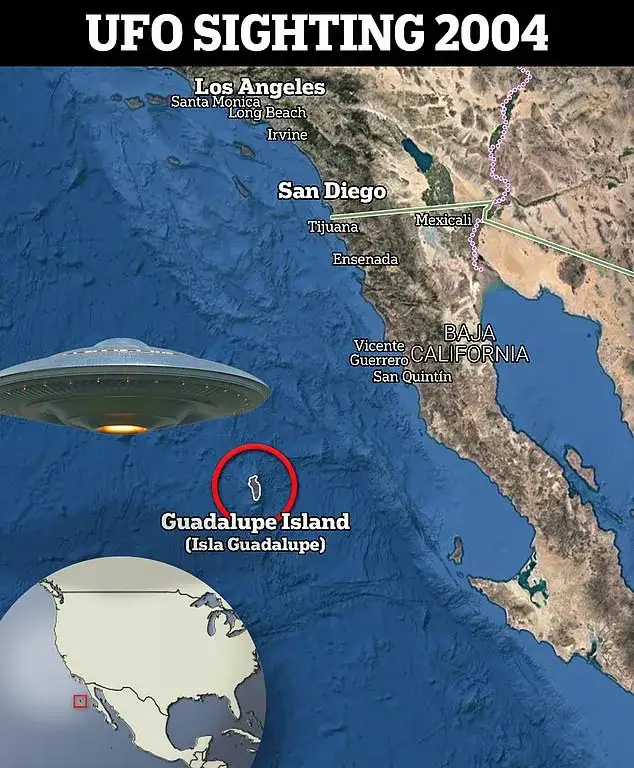
The 2004 "Tic Tac" incident involved the USS Nimitz Carrier Strike Group during a training exercise off the coast of San Diego. Naval aviators reported encountering unusual aerial objects exhibiting capabilities far beyond established aerospace technology. These encounters, spanning several days, involved visual sightings, radar detection, and infrared sensor recordings, including the now-famous video footage. The event has since been a prominent case in discussions surrounding unidentified aerial phenomena and national security.