A Precarious Foothold Awaits Human Sojourn
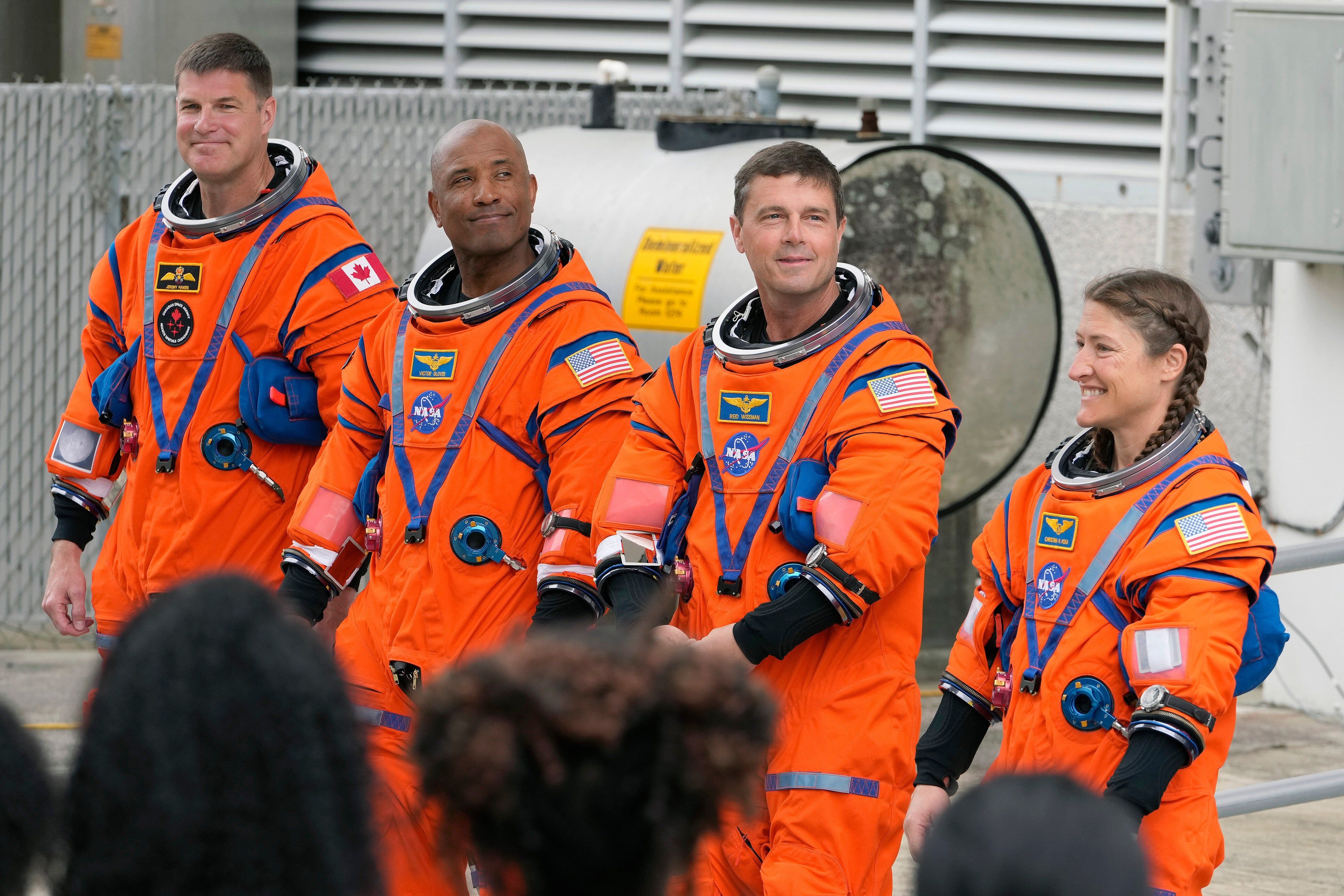
The prospect of establishing a sustained human presence on the Moon, as envisioned by initiatives like the US Artemis programme, confronts a gauntlet of formidable physiological and environmental obstacles. The lunar surface presents a stark contrast to Earth's life-sustaining embrace, lacking a protective atmosphere and a global magnetic field. This exposes any inhabitants to the full, unmitigated force of dangerous solar radiation and galactic cosmic rays. Furthermore, the Moon's environment oscillates through extreme temperature swings far beyond terrestrial norms.
Biological Systems Under Duress
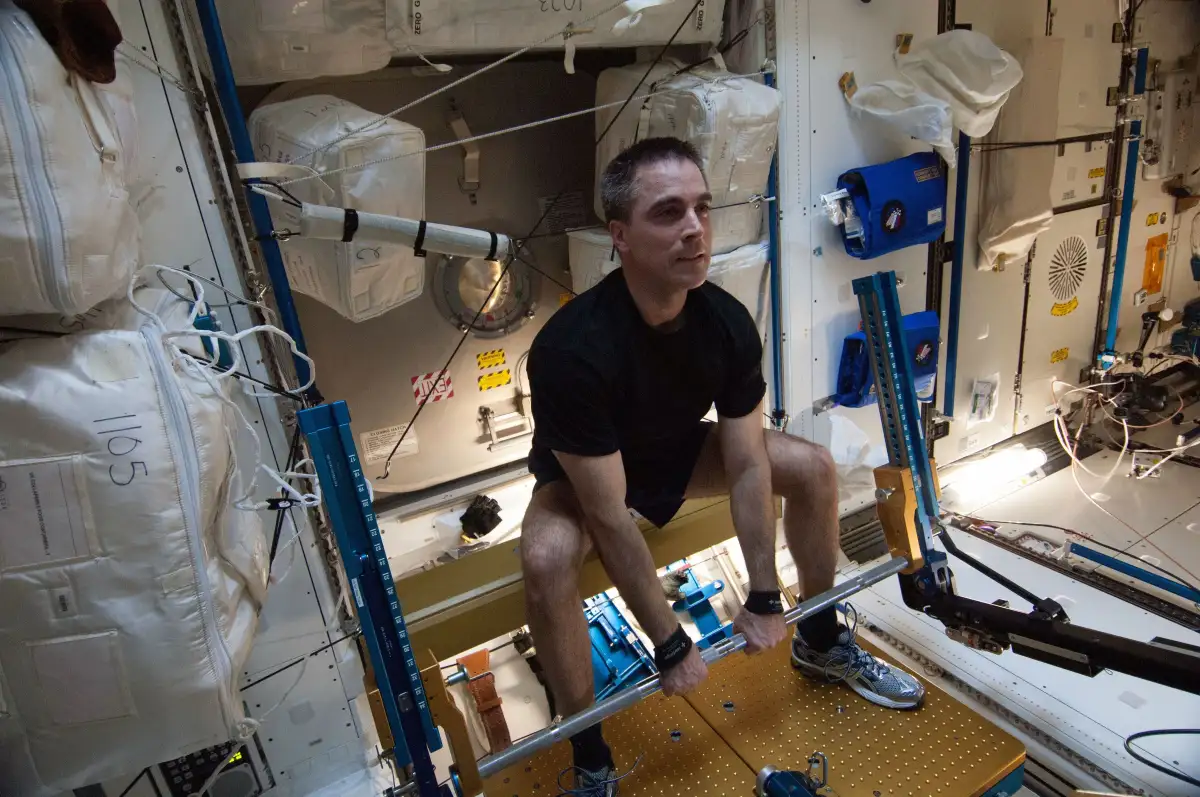
The extended sojourn on the Moon promises not just scientific exploration but a profound interrogation of human biology itself. Every human organ system is poised to face significant challenges in the lunar environment, particularly in the absence of Earth's constant gravitational pull. This lack of familiar resistance precipitates substantial physiological alterations. The journey to and prolonged stay on the Moon necessitate not only technological prowess but a deep understanding of how the human body will cope, and potentially adapt, to conditions fundamentally alien to its evolutionary origins.
Read More: NASA Robot Mission Launched to Raise Swift Telescope Orbit, Add 10 Years
Environmental Extremes and Debris Threats
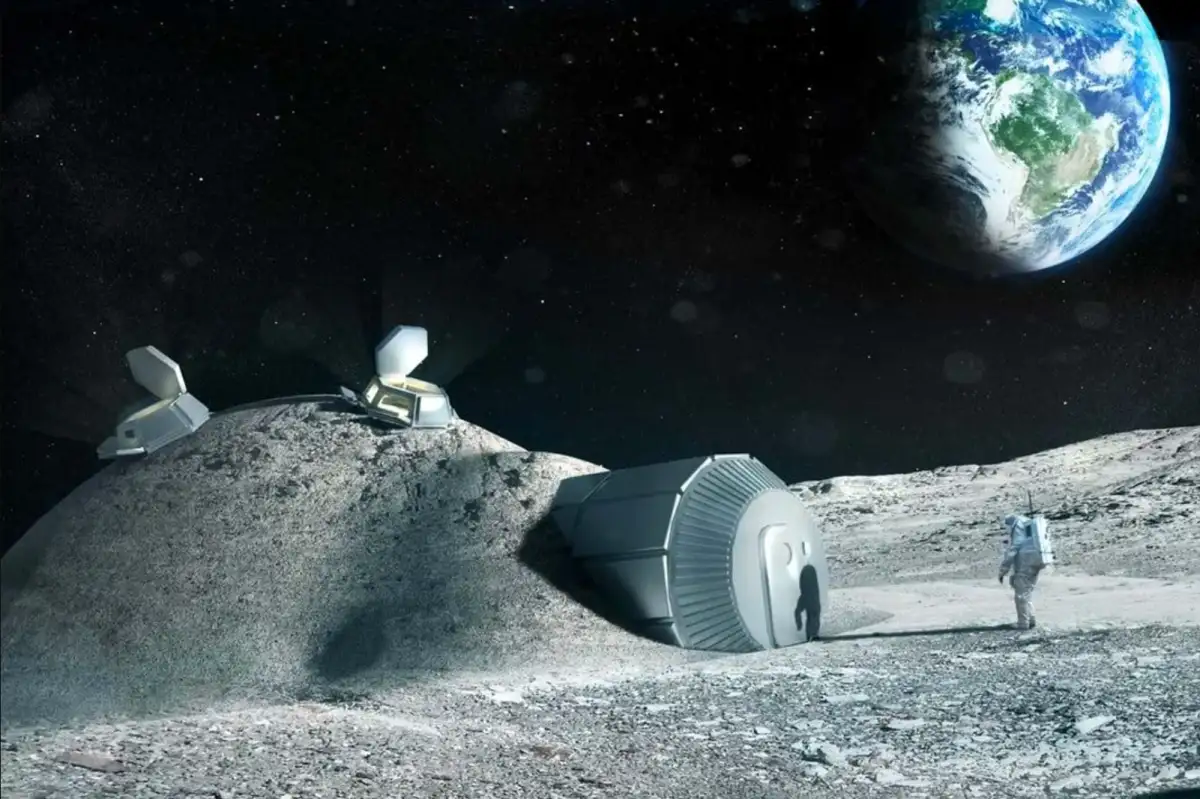
Beyond the pervasive radiation, the Moon's near-vacuum presents a direct barrier to habitability. Earth's atmosphere, in stark contrast, acts as a natural shield, incinerating most incoming space debris. The lunar surface, however, remains vulnerable to such impacts. This absence of atmospheric protection, coupled with the stark temperature variances – reaching extremes far beyond anything experienced on our home planet – creates an inherently hostile setting for any long-term human endeavor.
Motivations Amidst Peril
Despite these significant impediments, the allure of lunar habitation persists. The Moon offers an unparalleled platform for scientific inquiry into the origins of the Earth-Moon system, planetary geology, and the broader solar system. International efforts, including those by the European Space Agency (ESA), are dedicated to exploring these possibilities, acknowledging both the profound reasons for seeking a lunar foothold and the significant hurdles that must be surmounted. The endeavor to live on the Moon, in its learning, may ultimately illuminate as much about life on Earth as it does about humanity's future among the stars.
Read More: Indigenous Data Rights Now Key in Conservation Genomics
A New Frontier's Ancient Questions
The dream of making the Moon a second home has long captivated the human imagination. Yet, the reality of lunar existence is proving to be a complex interplay of aspiration and harsh scientific fact. The successful establishment of outposts hinges on developing robust solutions to mitigate the profound effects of radiation, extreme temperatures, and the fundamental lack of atmospheric and magnetic shielding. The Artemis programme, alongside other international ventures, faces the considerable task of proving not just the reliability of the journey, but the viability of sustained human life against the unforgiving backdrop of space. The insights gained from these challenges could prove invaluable, not just for off-world habitation, but for a deeper comprehension of terrestrial biology and planetary science.