THE UNCERTAIN ECHO OF HUMANITY'S FOOTPRINT ON THE MOON
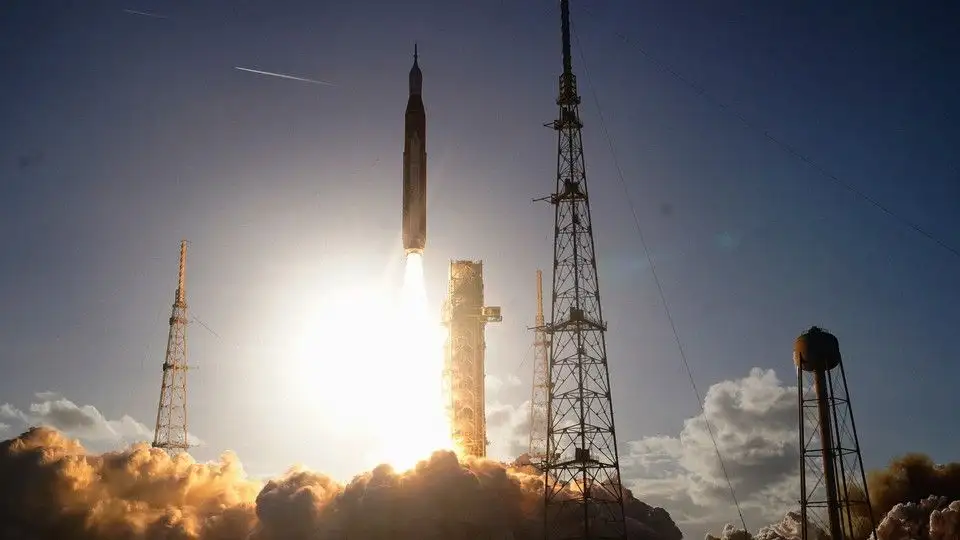
The Artemis program, aiming to return humans to the moon, finds itself adrift in a landscape of political shifts and technological questions. Despite official pronouncements and aspirations, the program faces an uncertain future, entangled with the legacy and ambitions of former President Donald Trump, and shadowed by the specter of international competition, particularly from China. The current trajectory of Artemis II, a mission that will circle the moon without landing, suggests a departure from the more ambitious goals initially envisioned. The program's reliance on the gargantuan Space Launch System (SLS) rocket is a point of contention, with debates swirling around its astronomical costs and the potential viability of commercial alternatives like SpaceX's Starship.
PRESIDENTIAL AMBITIONS AND BUDGETARY WHIPLASH
Former President Donald Trump’s tenure saw a pronounced push for lunar return, with the Artemis program emerging as a key initiative. His administration reportedly championed the endeavor, seeking to cement it as a significant achievement. However, this political backing has been a double-edged sword. While Trump’s vocal support initially galvanized the program, subsequent budget proposals under his administration signaled significant cuts to Artemis, including planned lunar space stations and moon missions. This pattern of push and pull, of grand pronouncements followed by fiscal austerity, has created a climate of instability for NASA's long-term space exploration plans. The urgency to beat China in the race back to the moon, a narrative amplified by political discourse, adds another layer of pressure to an already complex undertaking.
Read More: NASA Robot Mission Launched to Raise Swift Telescope Orbit, Add 10 Years

THE SHIFTING SANDS OF COLLABORATION AND COMPETITION
The Artemis program's success hinges not only on technological prowess but also on international cooperation. However, the review of NASA's Artemis project by the Trump administration has cast a shadow over Europe's lunar ambitions, which are significantly intertwined with the program. The Lunar Gateway, a planned space station orbiting the moon and a cornerstone of international collaboration, appears vulnerable. This uncertainty raises questions about the program's ability to foster the broad-based support necessary for sustained, ambitious space exploration.

TECHNOLOGICAL DILEMMAS AND THE SPECTER OF STARSHIP
The very architecture of the Artemis program faces scrutiny. The Space Launch System (SLS), conceived as a powerful, albeit expensive, launch vehicle, is being weighed against more agile, potentially cost-effective commercial solutions. The proposed replacement of the SLS with SpaceX's Starship presents a seductive, yet debated, alternative. The debate over the SLS's future, particularly its high per-launch cost, prompts a fundamental question: can NASA afford its current path, or will it pivot to commercially driven models to achieve its lunar objectives? The potential jeopardy to U.S. ambitions to be the first to send humans back to the moon, if Starship's development falters, remains a stark possibility.
Read More: Taiwan Holds Nantou County Drills to Prepare for State Collapse
A HISTORY OF ASPIRATION, A PRESENT OF UNCERTAINTY
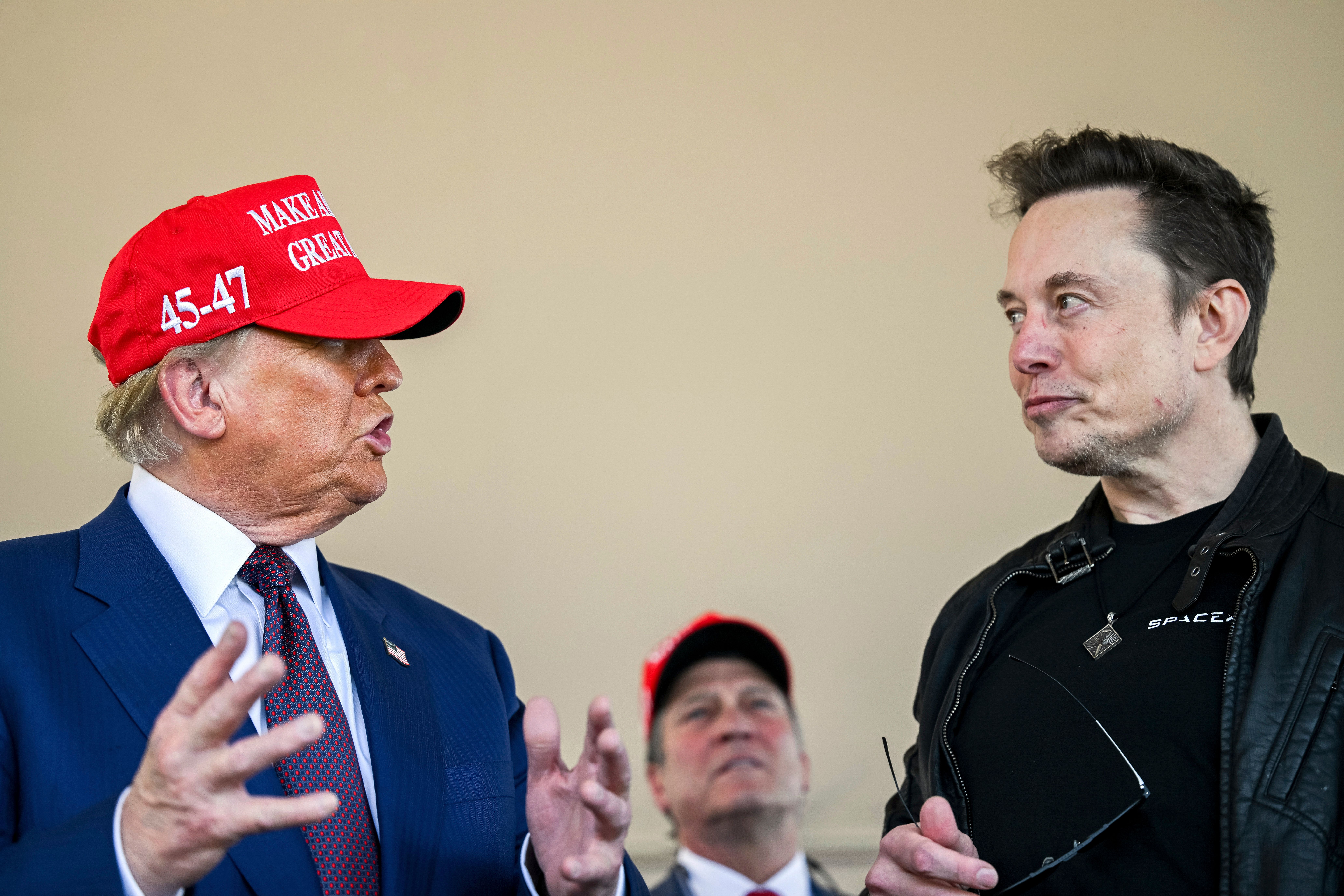
The desire to return to the moon is not new, but the current iteration, embodied by the Artemis program, is uniquely shaped by the political and technological currents of its time. Donald Trump’s presidency served as a significant catalyst, injecting a sense of urgency and national pride into the endeavor. However, this era has also been marked by the peculiar dynamic between the former president and figures like Elon Musk, whose ventures, though sometimes appearing to be at odds with official policy, may paradoxically provide openings for lunar advocates. The very public "feud" between these influential figures has, in some instances, inadvertently created space for Congress and industry players to champion the moon mission, even as the White House grappled with budget allocations. The initial vision of Artemis, as articulated in the early days of Trump’s first term, was a bold directive to achieve a lunar return, aiming for extended surface stays and the foundational elements of a lunar base. Yet, the absence of a confirmed NASA administrator throughout much of this period hints at a broader administrative disarray impacting the program’s stability.
Read More: ISS Crew Moves to Dragon Spacecraft Due to Air Leaks