The Artemis II mission, NASA's first crewed voyage toward the moon in over fifty years, has successfully launched, sending four astronauts on a roughly 10-day journey around Earth's natural satellite. This undertaking marks a significant moment for the US space agency, leveraging its new Space Launch System (SLS) rocket and Orion crew capsule. The mission is framed as a precursor to future lunar surface explorations and eventual missions to Mars.

The crew's itinerary involves a flight around the moon, with their most distant point from Earth expected to be approximately 5,000 miles beyond the lunar body. This mission serves as a crucial test for the Orion capsule's deep space capabilities. Notably, the Artemis II mission includes Victor Glover, who will be the first person of color on a lunar mission, and Jeremy Hansen, the first Canadian to venture beyond Earth's orbit.
Read More: NASA Robot Mission Launched to Raise Swift Telescope Orbit, Add 10 Years

While the mission is cloaked in the grandeur of renewed lunar ambitions and a spirit of international participation, its operational details are being meticulously monitored. Updates have indicated the successful troubleshooting of a toilet issue aboard the Orion spacecraft, alongside completed proximity operations and perigee raise burns, positioning the crew for further orbital maneuvers. The technological underpinnings of Artemis II are a stark contrast to earlier eras, with onboard computers boasting processing speeds and memory capacities vastly exceeding those of the Apollo program.
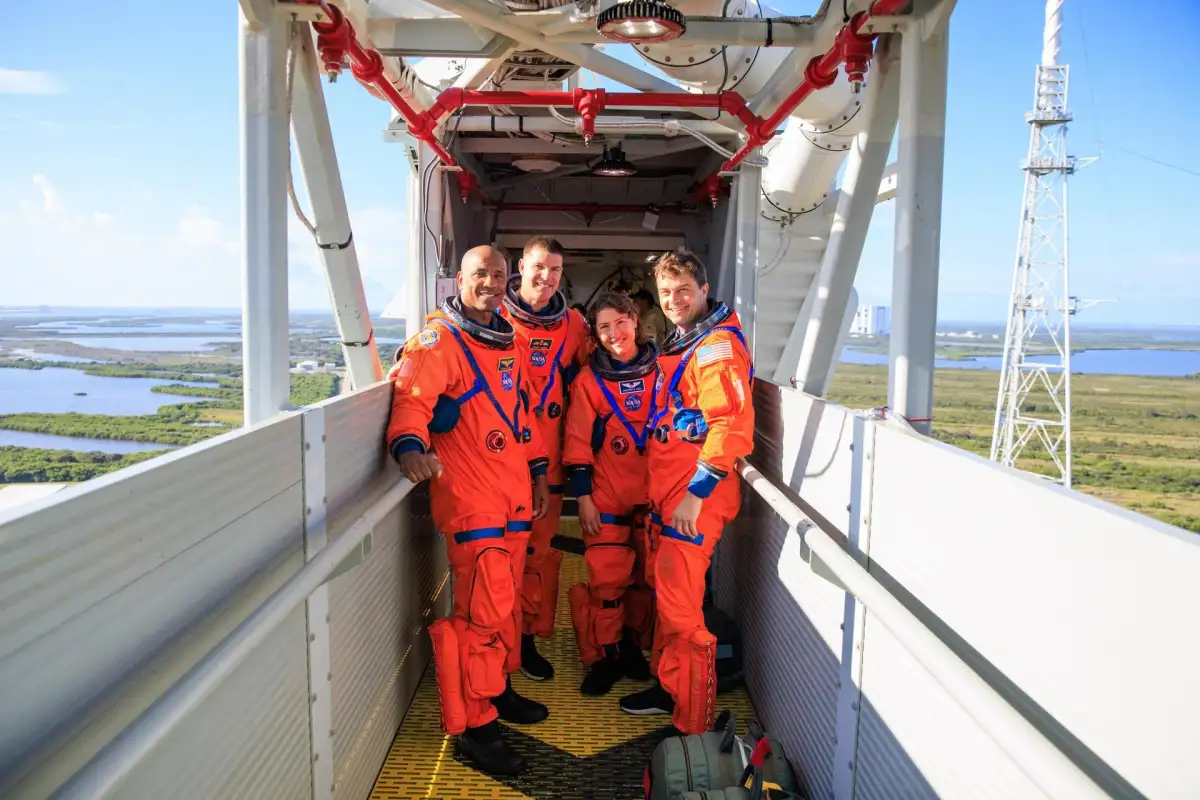
The launch itself, originating from Florida's Kennedy Space Center, was preceded by periods of anticipation and technical adjustments, including the resolution of a battery-related issue that had previously delayed the proceedings. The broader 'Artemis program' encompasses a series of missions, with Artemis II acting as a foundational flight before subsequent attempts at lunar landings.
Read More: New York Mets vs Atlanta Braves 7 April 2026 NL East game preview
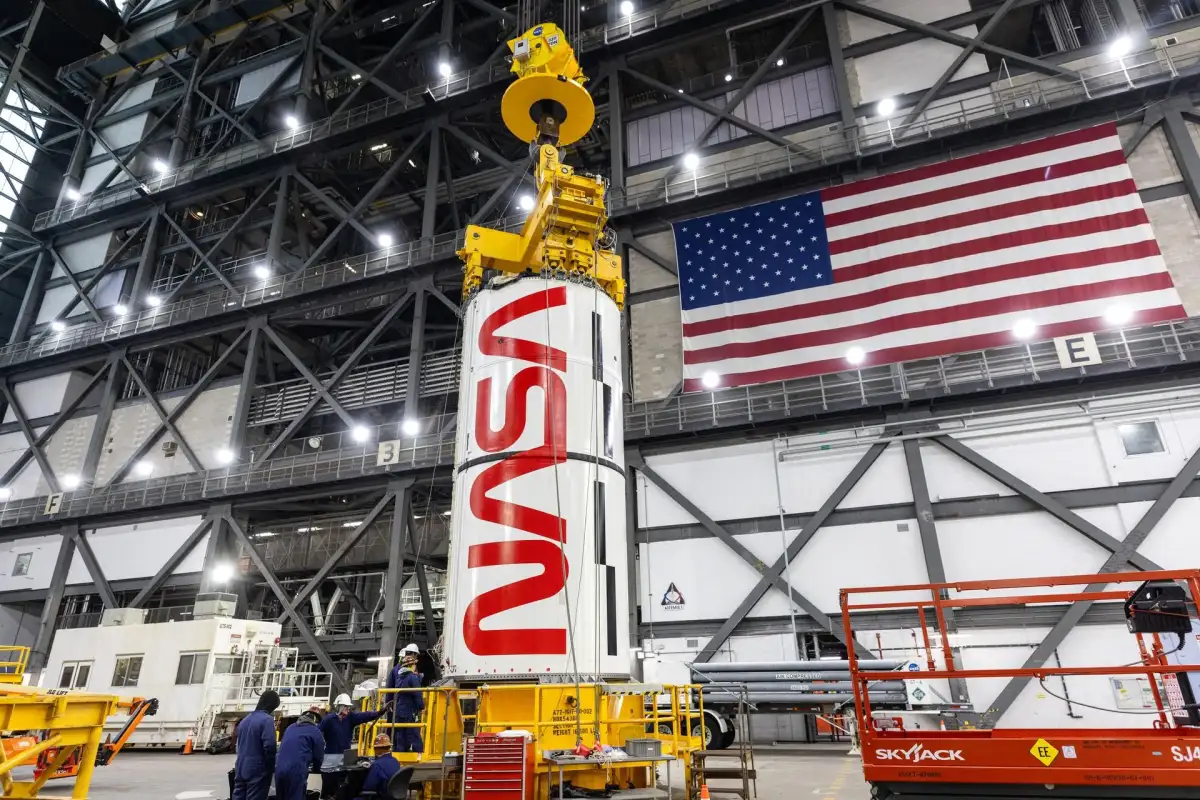
The narrative surrounding Artemis II is interwoven with themes of national pride and global cooperation. Speeches from former astronauts and officials have invoked the "mystical power of human spaceflight," aiming to capture worldwide interest in America's re-engagement with the moon. The mission's visual presentation, featuring the American flag and a countdown clock, underscores this nationalistic framing. However, it is worth noting that while the US has historically focused on the near side of the moon, other nations, such as China, have achieved landings on the lunar far side.