Astro-Ambitions and Martian Whispers
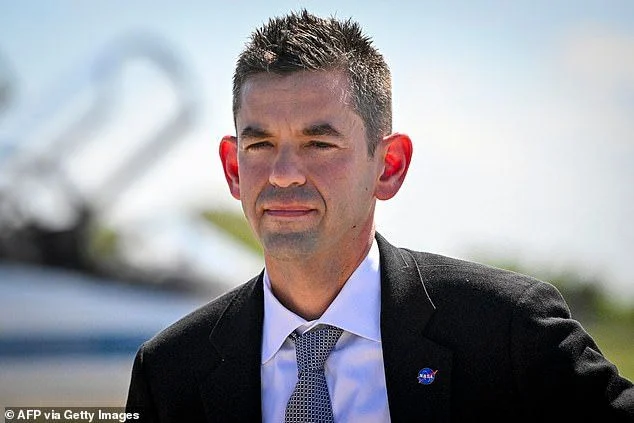
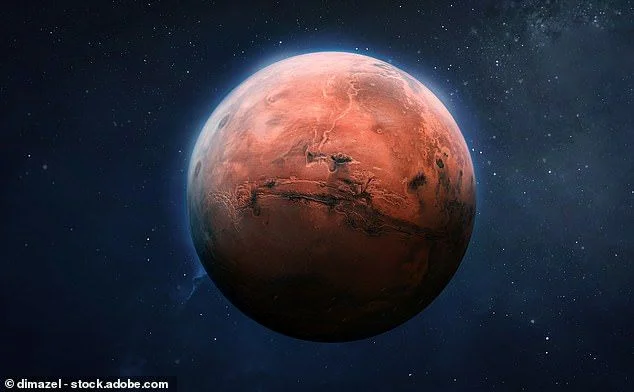
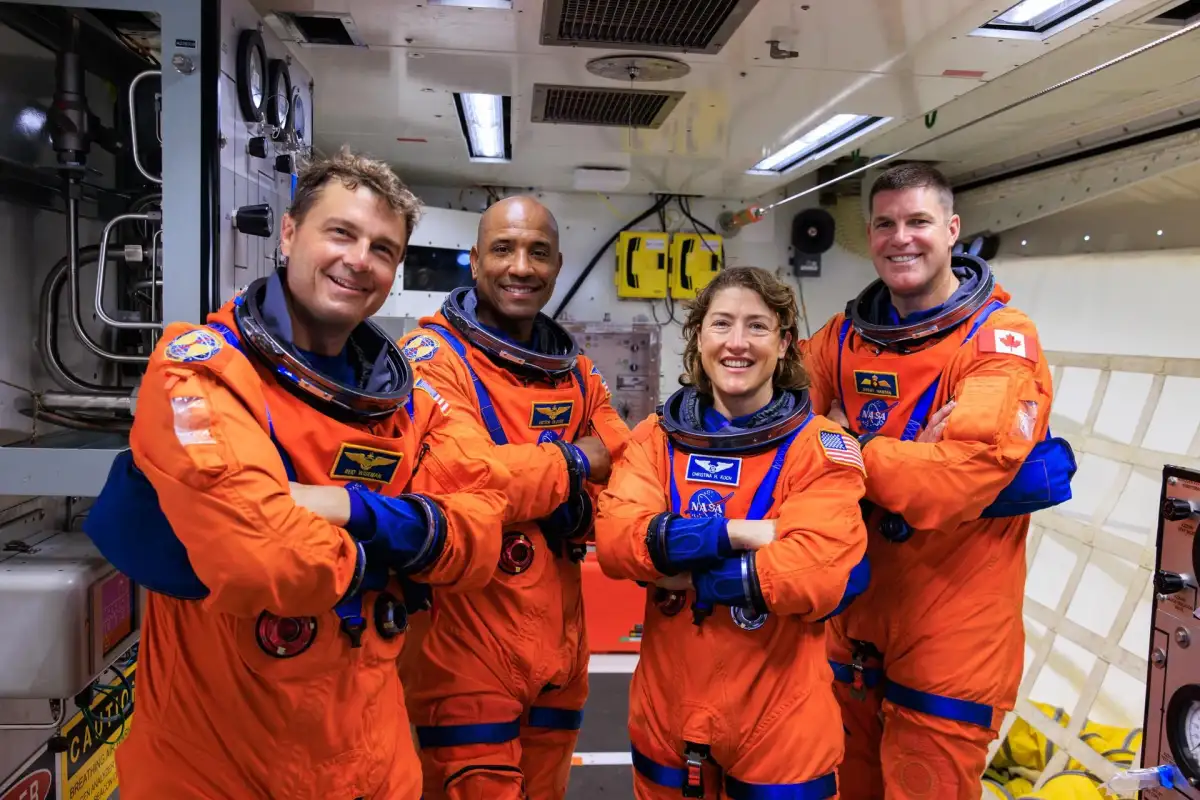
NASA's Artemis II mission, carrying four astronauts on a ten-day circumnavigation of the moon, has successfully lifted off from Kennedy Space Center in Florida. This marks the agency's first crewed journey toward Earth's natural satellite in over half a century. The launch, however, has been accompanied by pronouncements from newly appointed NASA Administrator Jared Isaacman, who suggested a high probability, "better 90 percent chance," of discovering evidence of past microbial life on Mars, a sentiment voiced during a discussion with conservative political commentator Benny Johnson.
The Artemis II mission, a test flight of the Space Launch System (SLS) rocket and Orion spacecraft, is designed to push astronauts beyond Earth's protective magnetic field and evaluate onboard systems. While the crew will not land on the moon, they will observe the far side from a distance of approximately 5,000 miles and conduct studies on the physiological effects of space travel. This mission is positioned as a precursor to establishing a more permanent lunar presence and, ultimately, facilitating human missions to Mars.
Read More: NASA Robot Mission Launched to Raise Swift Telescope Orbit, Add 10 Years
The timing of Isaacman's remarks, aligning with the highly visible Artemis II launch, has drawn attention. He posited that given the vastness of the universe—estimated to contain two trillion galaxies, each teeming with stars and planets—it seems improbable that Earth is the sole harbinger of life. His assertions lean towards the possibility of past, rather than present, life, specifically "microbial life," a notion previously articulated by acting administrator Sean Duffy in 2025.

Pre-Launch Puzzles and Public Scrutiny
Leading up to the launch, NASA addressed a "battery issue" that had prompted a review of the countdown sequence. Details remain somewhat opaque, with official statements suggesting the issue was being investigated rather than posing a definitive threat to the mission's viability. The Artemis II spacecraft, powered by the world's most powerful operational booster, the SLS rocket, is set to undergo rigorous testing during its lunar excursion.
Read More: Indigenous Data Rights Now Key in Conservation Genomics

The mission’s progression is being closely monitored, with NASA providing live coverage of launch and mission events. Public engagement extends to real-time tracking of the Orion spacecraft during its journey. The Artemis program itself is framed as a pathway to scientific discovery on the moon, with an eye toward preparing for future Martian endeavors.
Background: A New Lunar Dawn
The Artemis program aims to return humans to the moon for sustained exploration and scientific research. Artemis I, an uncrewed flight test of the Orion spacecraft and SLS rocket, preceded this current mission, completing a 25-day journey. Artemis II represents a significant step, reintroducing human astronauts to deep space travel in a configuration intended to pave the way for subsequent lunar landings and long-term lunar bases. The broader implications of exploring celestial bodies, particularly regarding the existence of extraterrestrial life, continue to be a driving narrative within NASA's long-term objectives.
Read More: ISS Crew Moves to Dragon Spacecraft Due to Air Leaks