A CRITICAL CONDUIT STUMBLES ALMOST IMMEDIATELY
THE MISSION CONTROL CONUNDRUM
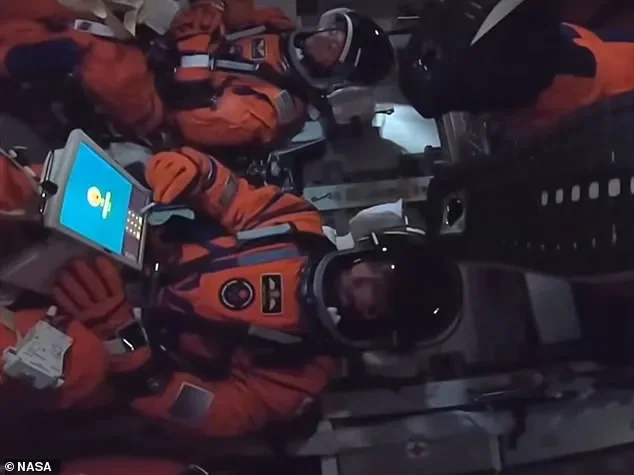
Within hours of launch, the 'Orion' spacecraft's waste management system signaled a fault, impacting its capacity to handle liquid waste. Ground teams, in tandem with the 'Artemis II' crew, successfully rectified the issue, restoring full functionality to the toilet. The problem, reported by Christina Koch, the mission specialist, involved a blinking fault light and a jammed toilet fan. While the system could still process solid waste, its ability to manage urine was temporarily compromised.
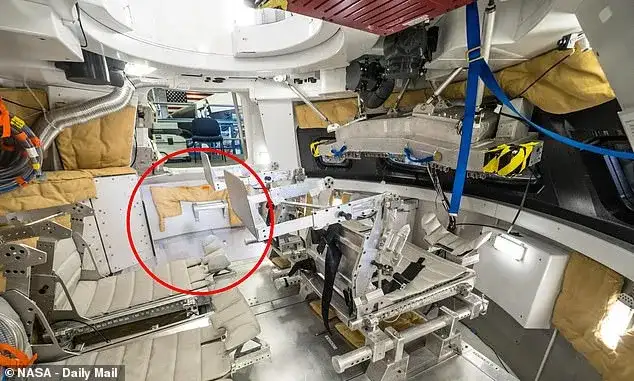
The onboard facility, known as the 'Universal Waste Management System' (UWMS), utilizes airflow to manage waste in microgravity. This particular malfunction meant astronauts faced limitations regarding urination. Mission control's intervention, relayed through instructions to the crew, focused on troubleshooting and resolving the jammed fan. The fix was confirmed, allowing the crew to resume all waste disposal functions.
Read More: Artemis II launches four astronauts to moon orbit on Wednesday
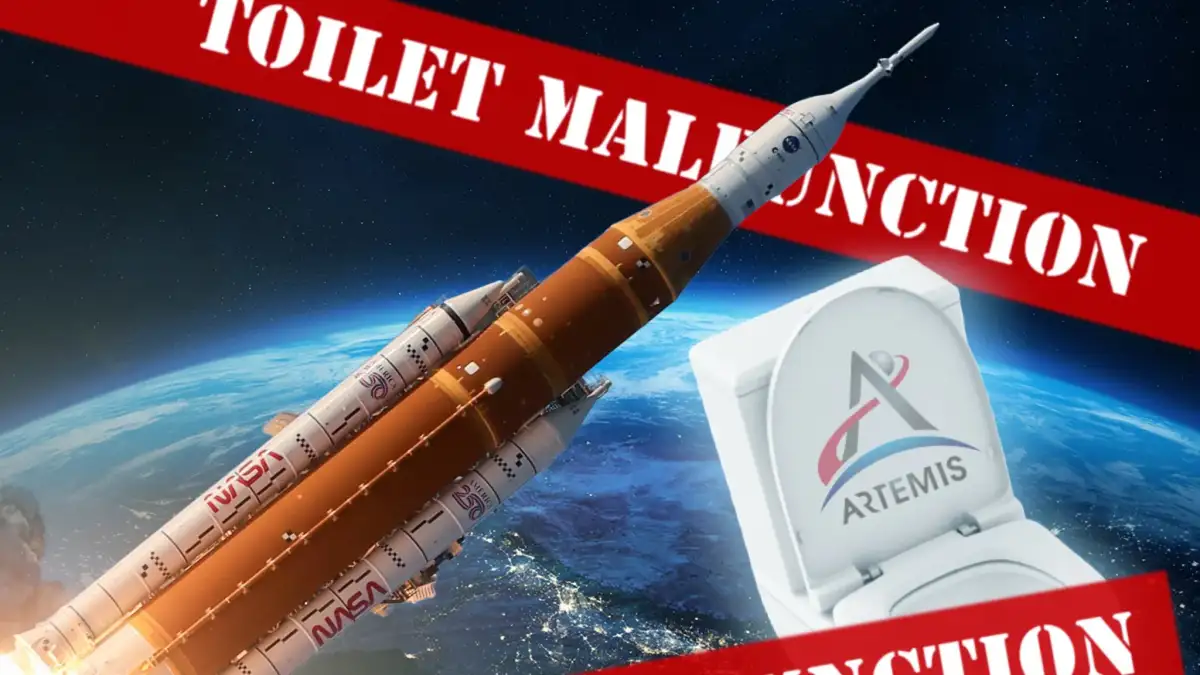
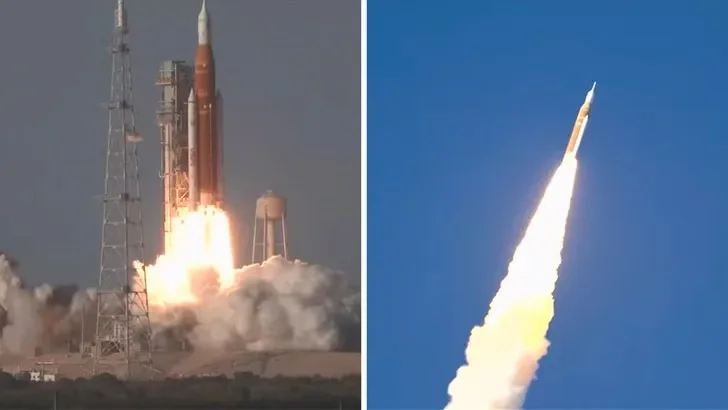
The incident occurred prior to a planned apogee raise burn on April 1, with the fix enabling the crew to proceed with subsequent mission objectives, including a planned nap and preparation for further orbital maneuvers. The successful resolution allows the mission to continue its trajectory, aiming for a lunar flyby.
HISTORIC HOLD-UP, IMMEDIATE REPAIR
DEEP SPACE'S DELICATE DRAINAGE
The 'Artemis II' mission marks a significant milestone as the first crewed deep-space mission to feature an onboard toilet. Unlike the 'Apollo' missions, where astronauts relied on plastic bags for solid waste, the 'Orion' spacecraft is equipped with the 'UWMS'. This system employs a hose for urine collection, with waste expelled into space periodically. Solid waste is collected in canisters for return to Earth.
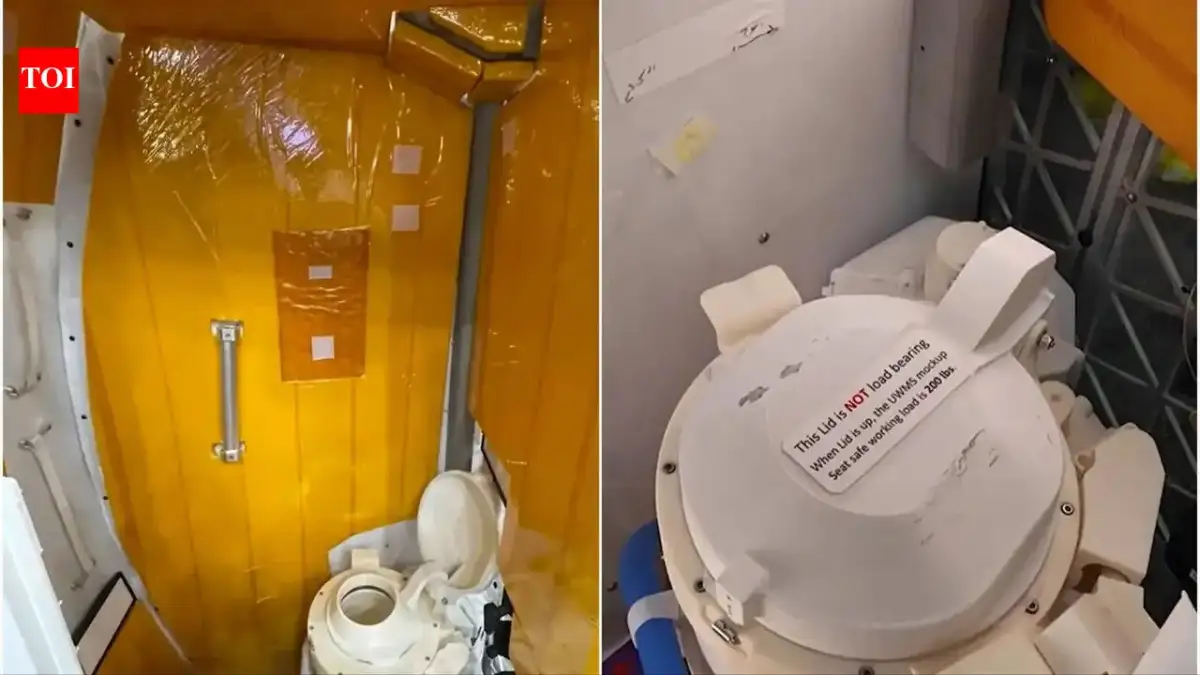
The toilet, housed in its own compartment within the 'Orion' capsule, is described as being operated using a hose for urine and a seat for solid waste. Reports indicate that the system can be quite loud, necessitating ear protection for the crew during use. The design of this system is a departure from previous space travel, underscoring advancements in crewed spacecraft habitability for longer duration missions.
Read More: New 1-Bit AI Model Bonsai 8B Runs on Phones, Uses Less Energy
A SUBTLE SETBACK AMIDST GRAND AMBITIONS
THE UNIVERSE'S UNTIDY URINALS
The 'Artemis II' mission, a bold endeavor to send a crew around the Moon, has encountered a minor, yet significant, technical hiccup shortly after its departure. The functioning of a spacecraft's lavatory, while mundane, is a critical aspect of crew comfort and mission success, particularly on extended voyages. This incident, though resolved, brings into focus the complex engineering required for maintaining basic human needs in the unforgiving environment of space.
The successful troubleshooting of the 'UWMS' by both the crew and ground control demonstrates the resilience and adaptability of space mission operations. However, the occurrence of such a problem so early in a mission destined for deep space warrants attention. It raises questions about the robustness of systems designed for extreme environments and the ongoing challenges of ensuring seamless functionality for human habitation beyond Earth's atmosphere.
Read More: Artemis II Livestream Shows Astronaut Entering PIN, Launch Continues
Artemis II is a program aimed at returning humans to the Moon. The 'Orion' spacecraft is the vessel for this mission, carrying a four-person crew on its journey. The mission's success hinges on the reliable performance of all its intricate systems, from propulsion to the very facilities that sustain the astronauts' well-being.