New theoretical work proposes a potential ceiling on the power of quantum computers, challenging the prevailing assumption that their capabilities are boundless. The emergent framework, dubbed 'Rational Quantum Mechanics' (RaQM), suggests that quantum systems, and by extension quantum computers, possess a finite information capacity, potentially capping their scalability. This divergence from standard quantum mechanics posits that quantum systems cannot traverse Hilbert space without restriction.
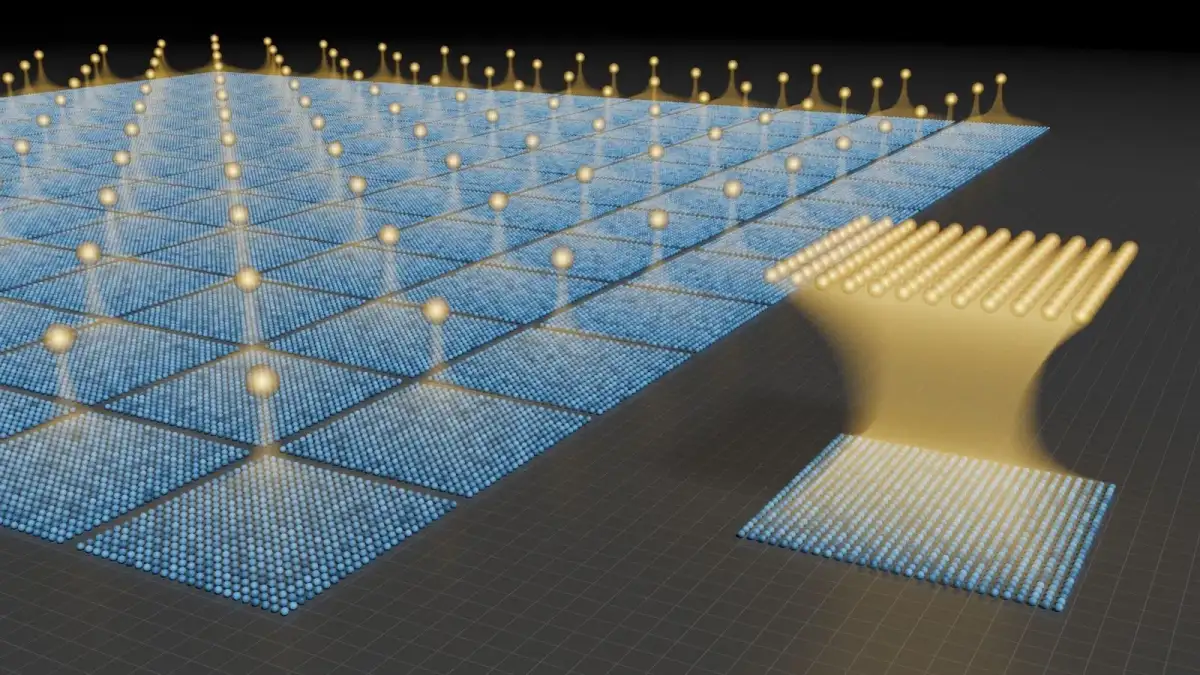
This theoretical proposition implies that the exponential growth in computing power often envisioned for quantum machines might encounter a fundamental barrier. If these new theories hold, they could redefine the roadmaps for quantum technology development, which currently lean heavily on encoding logical qubits across numerous physical qubits to combat inherent noise and errors. The implications extend beyond computing, offering a novel lens for understanding quantum phenomena itself.
Read More: Microsoft Invests $10 Billion in Japan for AI and Data Security by 2029
The "Thousand Qubit Horizon"
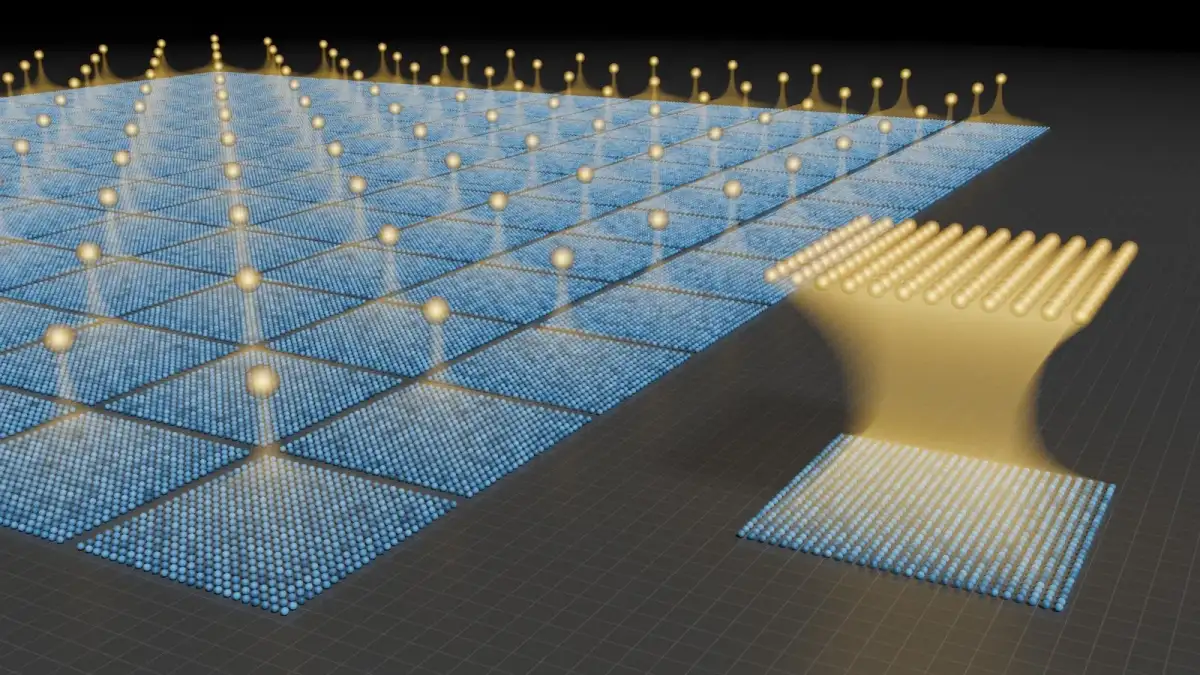
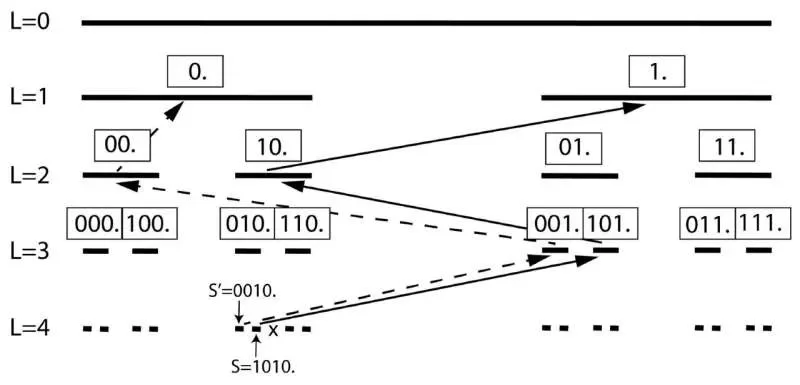
A key tenet of this emerging perspective is the notion of a "thousand qubit horizon." Physicist Tim Palmer's work, outlined in the paper "Rational Quantum Mechanics: Testing Quantum Theory with Quantum Computers," suggests that quantum computers may plateau at approximately one thousand qubits. This contrasts with the current understanding that assumes a more continuous exploration of quantum states.
Rethinking Encryption and Scalability
The idea of a fundamental limit also casts a shadow on the much-discussed ability of quantum computers to break current encryption standards. While some recent estimations suggest that significantly fewer qubits than previously thought – perhaps around 10,000 logical qubits – might be sufficient to crack robust encryption algorithms like Shor's, this new theoretical ceiling could impact those projections. Current quantum computers, often referred to as 'noisy intermediate-scale quantum' (NISQ) devices, are still considered useful within their current limitations.
Read More: Artemis II astronauts share first Earth photos from moon journey
The Challenge of Noise and Errors
The pursuit of fault-tolerant quantum computing necessitates overcoming significant hurdles related to 'loss' – a measure of imperfection in quantum hardware. Superconductors, fundamental to quantum devices, require astonishing precision in fabrication, as even minor imperfections translate directly to errors in computation. Efforts to reduce error rates involve using error correction codes, which engineer more robust qubits and software layers. These advancements are aimed at enabling quantum computers to perform useful calculations by preserving fragile quantum states long enough.
A Departure from Established Principles
Rational Quantum Mechanics represents a departure from widely accepted principles of quantum mechanics. The established paradigm assumes the continuity of Hilbert space and unrestricted traversal of quantum systems. RaQM, however, proposes a finite capacity, a concept that remains speculative and awaits empirical testing. The successful development and application of quantum computing rely on balancing the creation of devices that preserve quantum states with the ability to perform calculations.
Read More: Steven Cohen's Firm Buys Amazon Stock, Sees AI Future
Background: The Promise and Pitfalls of Quantum Advancement
Recent progress in quantum computing has seen companies like Oxford Ionics and IonQ making substantial advances. While these developments fuel optimism about the 'usefulness' of quantum computers, theoretical limitations, such as the no-cloning and no-deletion theorems, have long been acknowledged as fundamental constraints. The ongoing debate centers on whether these theoretical limits, coupled with practical engineering challenges, will define a hard ceiling for quantum computational power. The quest for understanding and overcoming these limitations continues across various research institutions and technology companies, exploring diverse approaches from novel materials to advanced algorithms.