LIVE FROM THE LAUNCHPAD: A COSMIC GLITCH IN THE STREAM
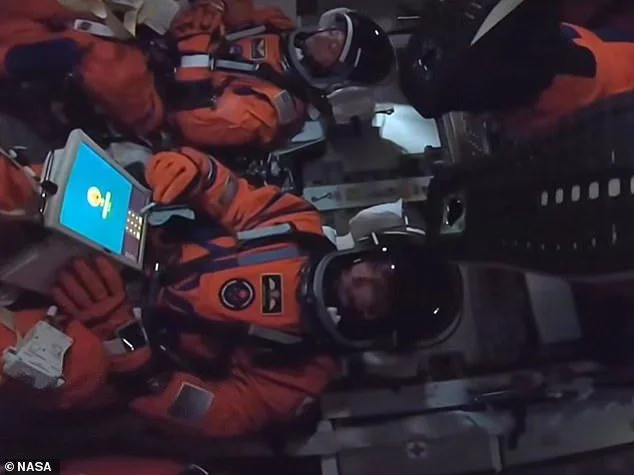
Artemis II, the highly publicized voyage aiming to put humans in orbit around the moon for the first time in half a century, launched successfully. However, the spectacle was briefly marred by an unexpected digital intrusion. During the livestream, commander Reid Wiseman was observed inputting a personal identification number into a tablet, an act captured by the live feed and broadcast to millions.
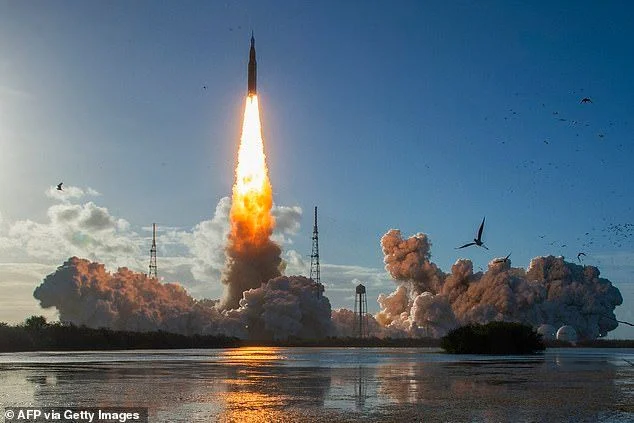
The visual anomaly, noted approximately nineteen minutes prior to liftoff, immediately sparked a flurry of commentary across social media platforms. Viewers, many having tuned in for the historic ascent from the Kennedy Space Center in Florida, pointed out the disclosure. One observer remarked, “Woopsie, when you enter your tablet PIN on the NASA stream.”
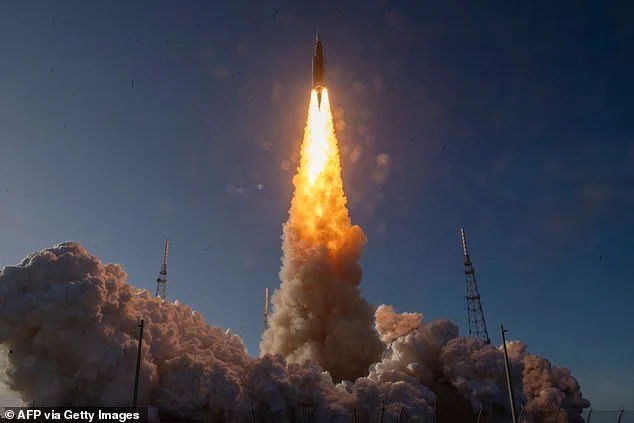
The mission, carrying Reid Wiseman, Victor Glover, and Christina Koch from NASA, alongside Canadian astronaut Jeremy Hansen, represents a significant undertaking. It is slated to journey farther into space than any human has previously traveled, charting a course for a ten-day lunar circumnavigation.
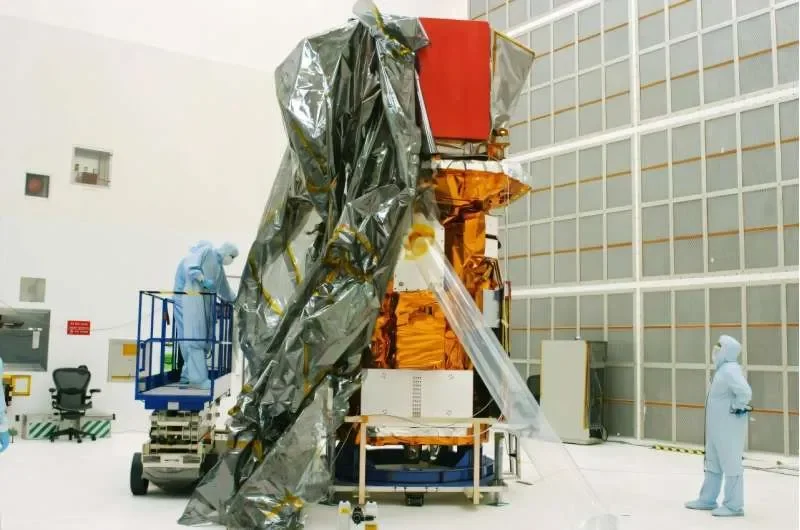
Read More: NASA Robot Mission Launched to Raise Swift Telescope Orbit, Add 10 Years
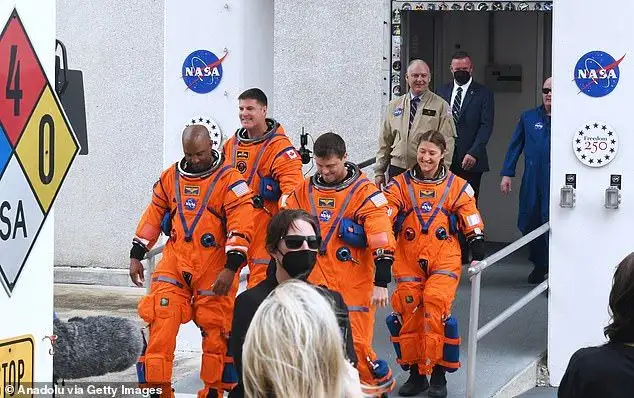
ECHOES FROM THE DIGITAL VOID
The revelation of the PIN entry did not appear to impede the launch sequence. The rocket successfully detached from its boosters, propelling the crew onward toward their lunar objective. The broadcast continued, showing the astronauts embarking on their mission.
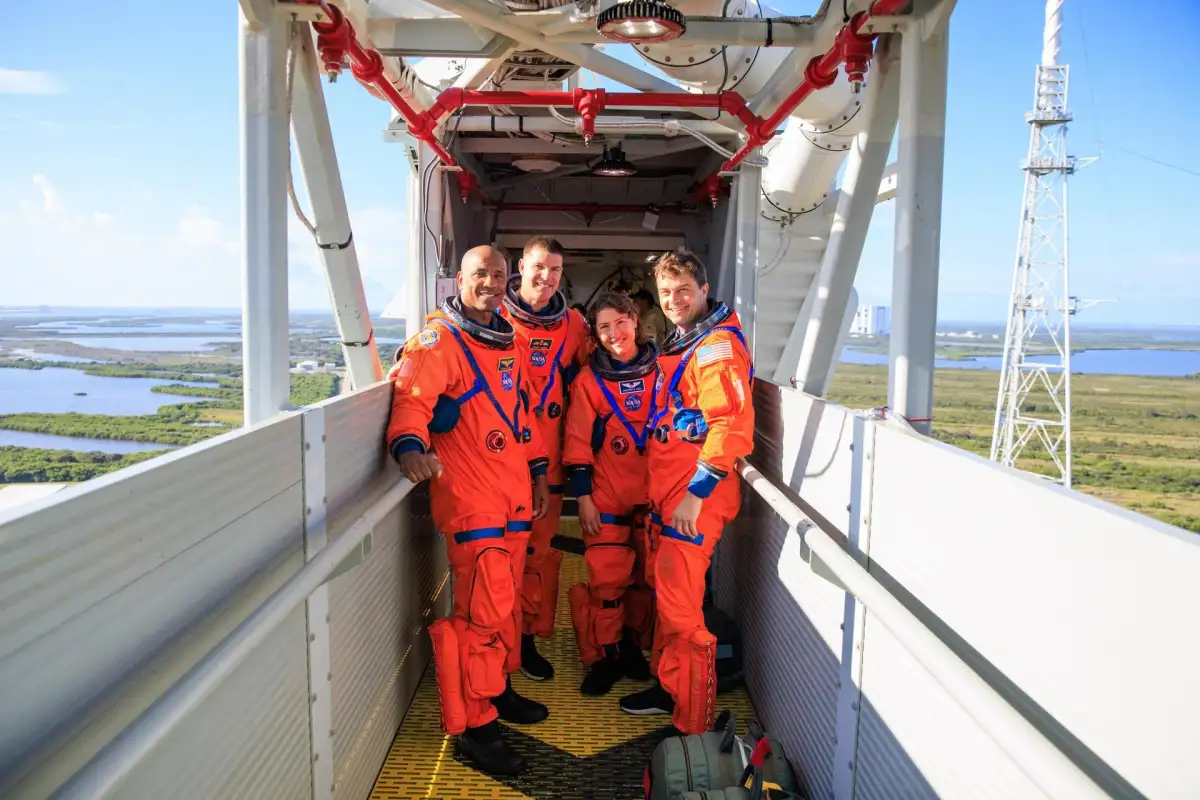
The incident has become a focal point of discussion online, with many noting the irony of such a breach occurring during a high-profile, technologically advanced operation. Comments ranged from mild amusement to pointed observations about digital security protocols in critical environments. Some jokingly referred to the possibility of the "command module getting open-sourced."
THE LONGER ORBIT: CONTEXT AND CONTINUATION
This mission, Artemis II, is framed by NASA as a pivotal step towards sustained lunar exploration and future Martian endeavors. It follows the initial crewed flight aboard NASA's human deep space capabilities. The astronauts involved are slated for an approximately ten-day expedition around the moon, marking the first human lunar flyby in over fifty years. The launch itself occurred at 6:35 pm ET on Wednesday.
Read More: Chrome mimeHandler API lets extensions handle file types