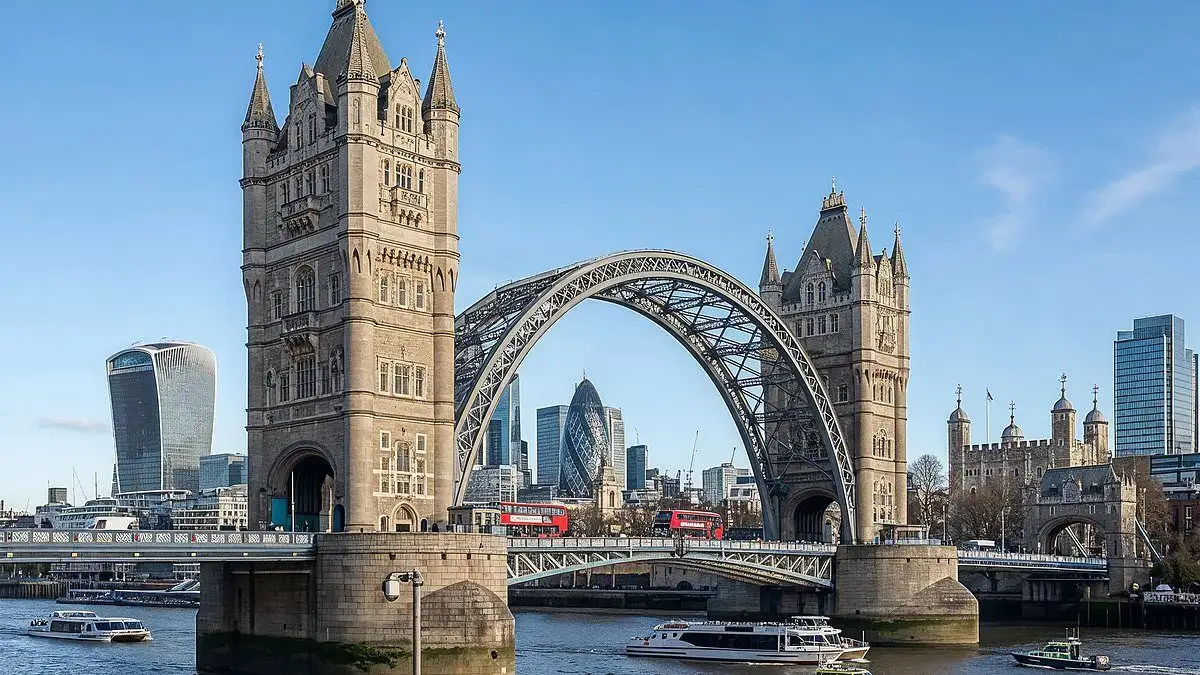
Striking new images have surfaced, offering a glimpse into alternative realities for some of the planet's most recognizable structures. These visuals present what iconic landmarks might have looked like had their original, often more ambitious, plans been fully realized. The images highlight significant departures from the finished products that draw millions of visitors annually.
The generated visuals show that many famous edifices, from St. Paul's Cathedral in London to the Statue of Liberty, were initially conceived with forms drastically different from their current states. These divergences stem from various factors, including technological limitations of their eras and subsequent design alterations. The project revisits six such legendary structures, illustrating how their skylines and appearances could have been profoundly reshaped.
Altered Visions
Sir Christopher Wren's initial concept for St. Paul's Cathedral, for instance, reportedly featured a significantly larger dome, a more imposing drum, and a soaring interior space than the structure finally erected. Such ambitious visions were common, with architects pushing the boundaries of what was then technically feasible.
Read More: Banana Art Stolen From French Museum, Replaced Quickly
Further examples suggest a different fate for other world-renowned sites. The Sydney Harbour Bridge and the Statue of Liberty are also mentioned as landmarks whose initial blueprints differed markedly from their final constructions. The implications of these unrealized designs are vast, offering a hypothetical rewrite of architectural history and the visual fabric of global cities.
Historical Context
The presented images are not mere flights of fancy but rather reconstructions based on early architectural drawings and historical records. They offer a speculative yet grounded perspective on the evolution of iconic landmarks.
The Great Pyramid of Giza and the Ziggurat of Ur are also cited as structures that have undergone substantial changes since their inception. These shifts, often revealed through excavation and restoration, underscore that even ancient monuments are not static entities but subject to historical processes and human intervention. The London Bridge, originally a wooden construction, also saw significant alterations in its subsequent stone iterations, reflecting ongoing development and adaptation over centuries.
Read More: St. Augustine's ideas on justice help explain US politics