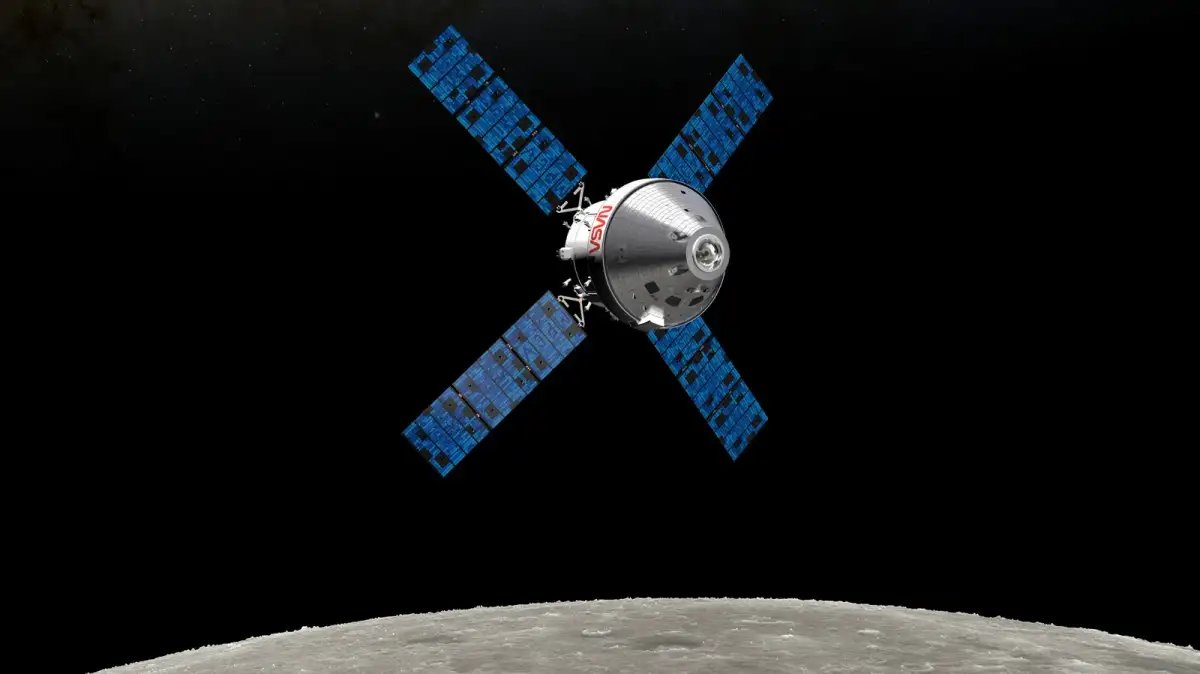
NASA has finalized the caloric loadout for the Artemis II mission, a ten-day lunar transit carrying four astronauts: Reid Wiseman, Victor Glover, Christina Koch, and Jeremy Hansen. The manifested cargo includes exactly 189 distinct food and drink items, engineered to meet strict mass, volume, and power constraints within the Orion spacecraft.
Core nutritional strategy prioritizes shelf stability and equipment safety over conventional preparation; the menu replaces standard culinary methods with freeze-dried, thermally stabilized, and irradiated rations.
| Category | Representative Items | Technical Constraint |
|---|---|---|
| Proteins | Barbecued beef brisket, vegetable quiche | No refrigeration |
| Starch/Sides | Macaroni and cheese, 58 tortillas | Crumbs/debris control |
| Vegetables | Broccoli au gratin, spicy green beans | Nutritional density |
| Specialty | Tropical fruit salad, creamy spinach | Palatability in orbit |
The loadout is designed to support the biological function of the crew while ensuring that no food particles—like common bread crumbs—compromise the spacecraft’s delicate ventilation or life support filtration systems.
The selection process, conducted at NASA’s Food Lab, reconciles personal preferences with rigorous food safety protocols, including allergy mitigation and microbial risk assessment.
Public reception has characterized the menu as a ‘fine-dining’ experience, a stark juxtaposition to the reality of vacuum-sealed sustenance consumed in a zero-gravity environment.
The Architecture of Consumption
The logistics of space nutrition remain one of the most technologically restrictive facets of aerospace engineering. Without the possibility of resupply or mid-mission cold storage, every gram of food is a calculated variable in the mission’s life support equations.
"Planning the astronaut's meals considers shelf life, safety, nutritional value, crew preference, and compatibility with Orion’s mass, volume, and power requirements." — NASA Mission Briefing.
Background: Evolution of Space Rations
The development of space-compatible sustenance has transitioned from the primitive, high-density paste tubes of the 1960s to a catalog that attempts to simulate terrestrial textures. While the inclusion of items like brisket and spinach indicates an effort to improve the psychological welfare of crews during long-duration flight, the technical foundation remains rooted in safety. These systems are designed specifically to eliminate the risk of food-borne pathogens in a closed-loop environment, where even a minor health incident would represent a total system failure. The Artemis II menu serves as a functional testbed, providing the necessary baseline data to determine how humans manage nutrition during prolonged exposure to deep space conditions, far beyond the reach of low Earth orbit.
Read More: NASA Robot Mission Launched to Raise Swift Telescope Orbit, Add 10 Years