


The architecture of Western security is currently undergoing a violent contraction. Polish Prime Minister Donald Tusk has publicly characterized the current trajectory of the United States—defined by an unilateral military intervention in Iran and transactional threats toward NATO—as the active realization of a "Putin dream plan."

The destabilization is multifaceted: Washington has launched an offensive against Iran without inter-allied coordination, triggering immediate airspace closures by sovereign states like Spain, while simultaneously signaling a potential withdrawal from the collective defense framework.
Strategic Divergence
The structural integrity of the alliance is failing under the weight of competing domestic pressures. The following data points outline the fracture:
| Actor | Action/Stance |
|---|---|
| Donald Trump | Threatening to withhold Ukraine aid; considering NATO exit; unilateral Iran strike. |
| Donald Tusk | Categorizing US/Hungary moves as a collapse of security architecture. |
| Viktor Orbán | Advocating for the lifting of Russian energy sanctions; obstructing regional unity. |
| Spain | Refusal of base access; closure of airspace to US assets engaged in the Iran theater. |
Fiscal Shifts: The logic of survival has driven Poland to expand its military spending to 4.7% of its GDP, currently fielding the third-largest army in the NATO structure.
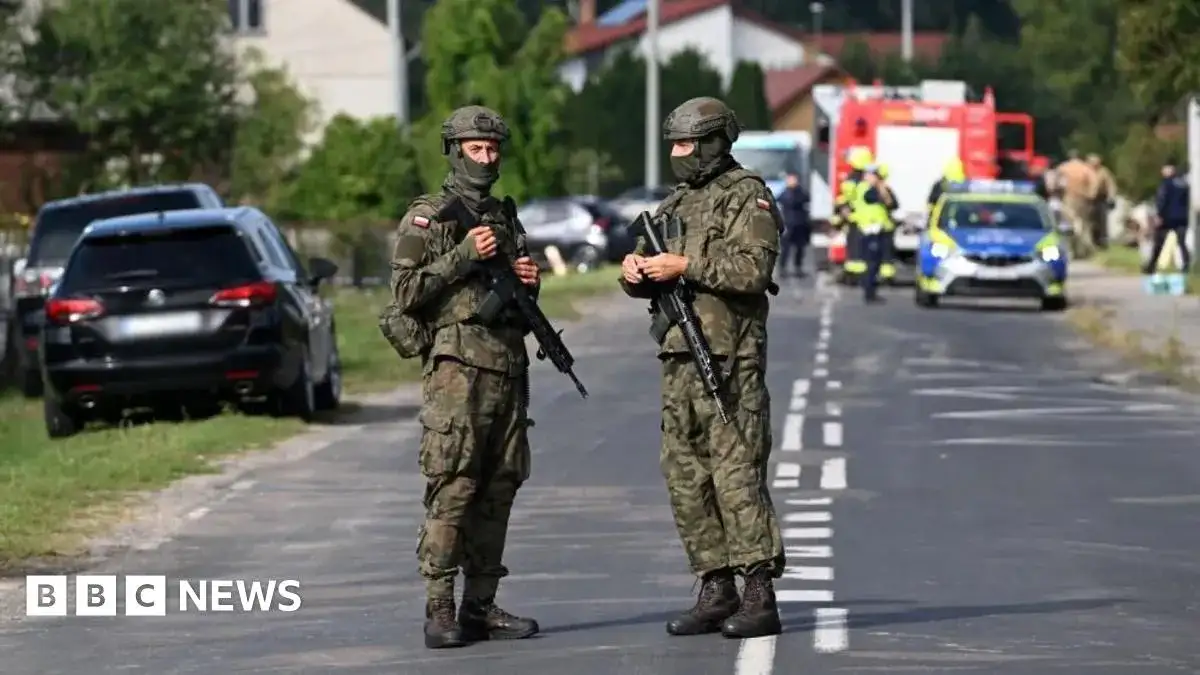
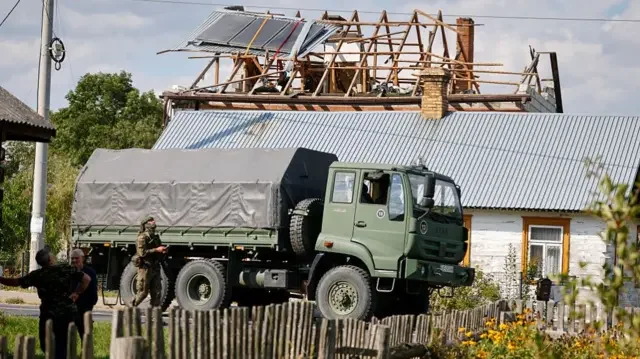
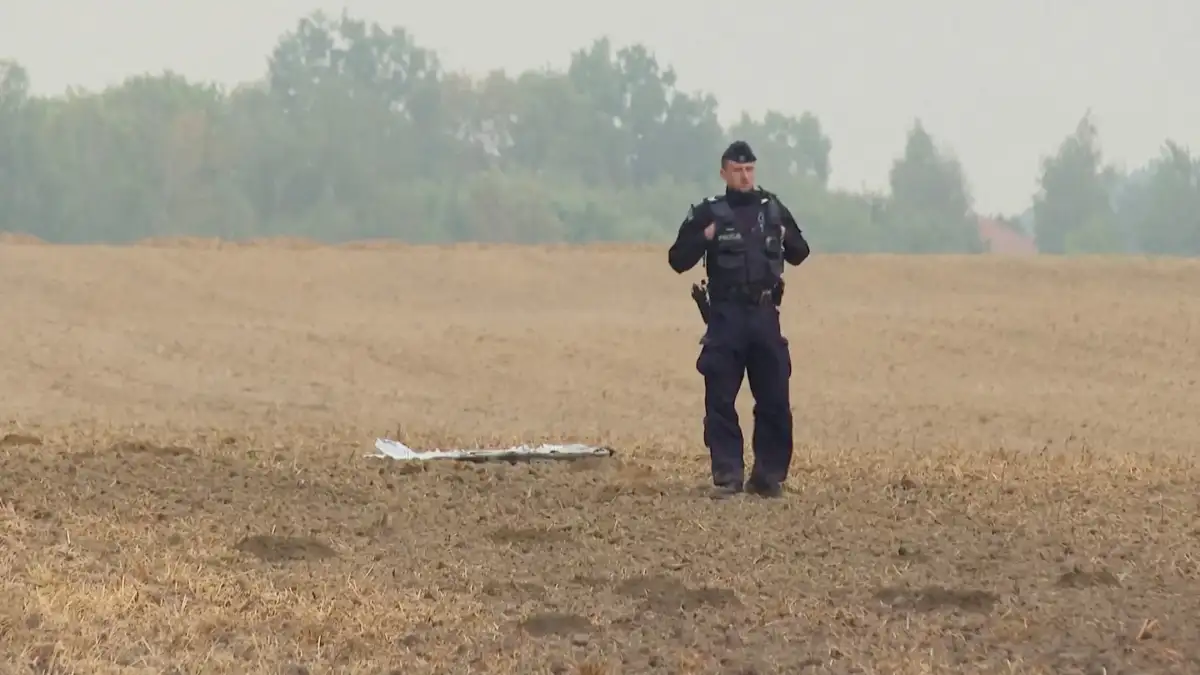
Operational Reality: The conflict is no longer theoretical. Last September, Russian drones violated Polish territory, forcing an unprecedented, direct military engagement by the alliance.
The Cost of Disorder
Markets have responded to this unpredictability with volatility, specifically regarding energy pricing. The European economy, still reeling from previous supply shocks, now faces the threat of a secondary crisis induced by the Iranian theater and the resulting sanctions environment. Radoslaw Sikorski, Poland's Foreign Minister, suggests that the current reliance on high defense expenditure is a cold, historical calculation rather than a policy choice, as the alliance struggles to reconcile its internal contradictions.
Read More: Austria stops US military flights over Iran conflict due to neutrality law
Investigative Context: The Eroding Consensus
The tension reflects a deeper shift in global posture since the 2024 election cycle. What was once described as a "transatlantic bond" has shifted toward a state of guarded skepticism. The current administration in Washington maintains a focus on domestic-first imperatives, which has effectively alienated traditional power brokers in Paris and Warsaw.
The rhetoric regarding "Putin’s dream plan" serves as a semantic attempt to label the convergence of three distinct phenomena: the NATO internal identity crisis, the failure of energy decoupling from Russian supply lines as pushed by the Hungarian leadership, and the abandonment of the established multilateral decision-making process regarding military engagement. With Spain formally distancing itself from US military logistics, the precedent for unified alliance action has been effectively dismantled.
Read More: Pam Bondi Leaves Role After Criticism of Handling Epstein Documents


