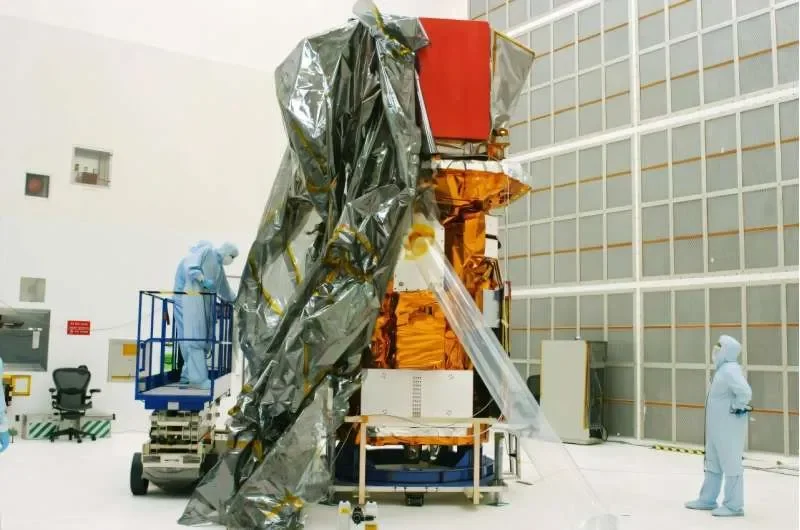
The Artemis II mission, carrying four astronauts, is now en route to circle the moon following a successful 'translunar injection burn'. This maneuver propelled the 'Orion spacecraft' onto a trajectory designed to slingshot them around the lunar body and back to Earth. The spacecraft and its crew successfully executed this critical step on April 2, 2026, marking a significant moment in human spaceflight since the Apollo era. The mission is slated for a total of ten days.
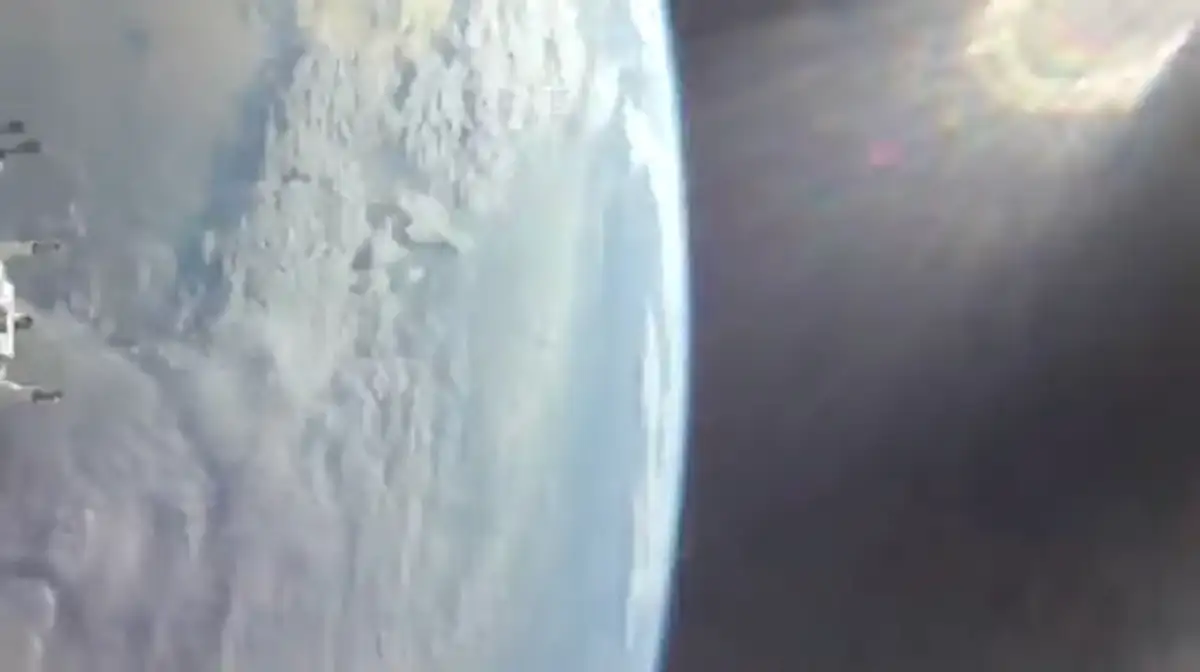
Mission Milestones and Trajectory
The translunar injection burn, a key maneuver, was confirmed after the initial liftoff from NASA's Kennedy Space Center in Florida. The Orion spacecraft is now actively progressing away from Earth, charting a course towards the moon. This journey utilizes a "free-return trajectory," a safety measure ensuring the crew's return to Earth for splashdown. Future planned activities include a communications test with the Deep Space Network on the third day of the mission.
Read More: NASA Robot Mission Launched to Raise Swift Telescope Orbit, Add 10 Years

Astronauts and Hardware
The crew consists of NASA astronauts Reid Wiseman, Victor Glover, and Christina Koch, alongside Canadian Space Agency astronaut Jeremy Hansen. Their ride, the 'Orion spacecraft', is atop the 'Space Launch System' (SLS) rocket, described as the world's most powerful operational booster. The SLS rocket underwent rigorous preparation, including liquid hydrogen and liquid oxygen system checks and chilldowns, prior to launch.
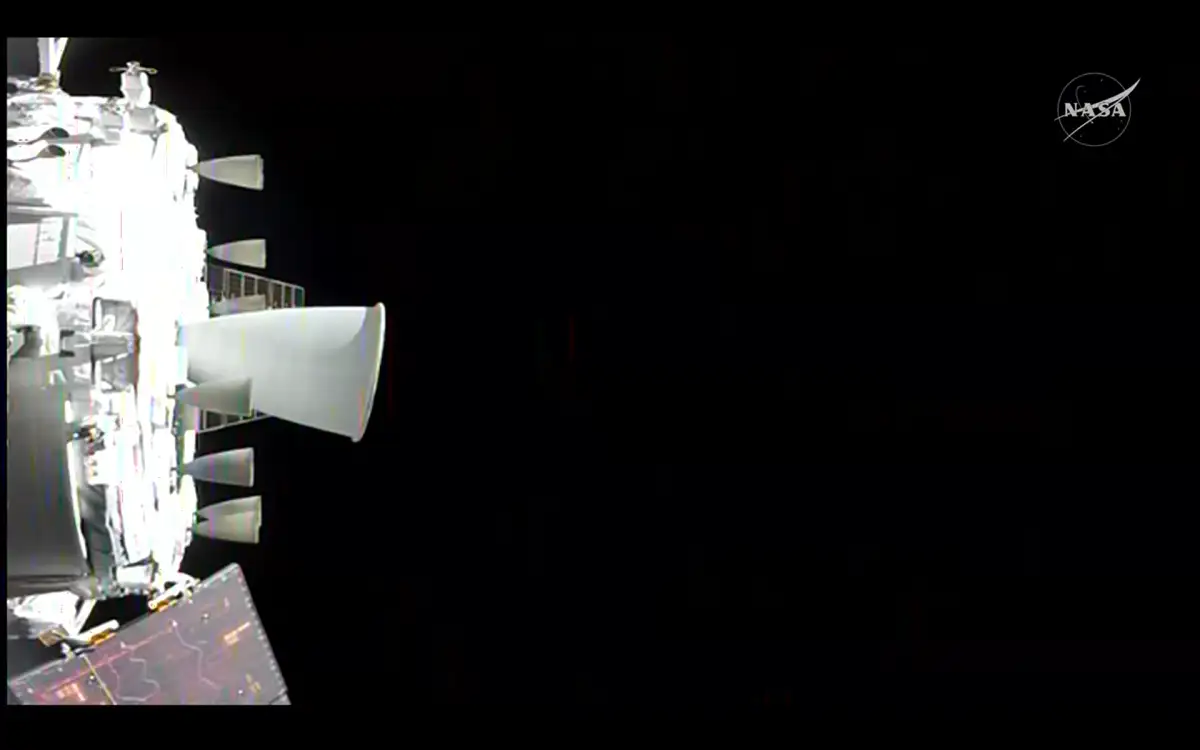
Historical Context and Future Ambitions
This mission represents the first time humans have journeyed towards the moon in over fifty years. The Artemis II flight is intended as a foundational step for subsequent Artemis missions, aiming for eventual lunar landings and the establishment of a permanent moon base. Beyond lunar objectives, the program also frames broader ambitions for future human exploration on Mars.
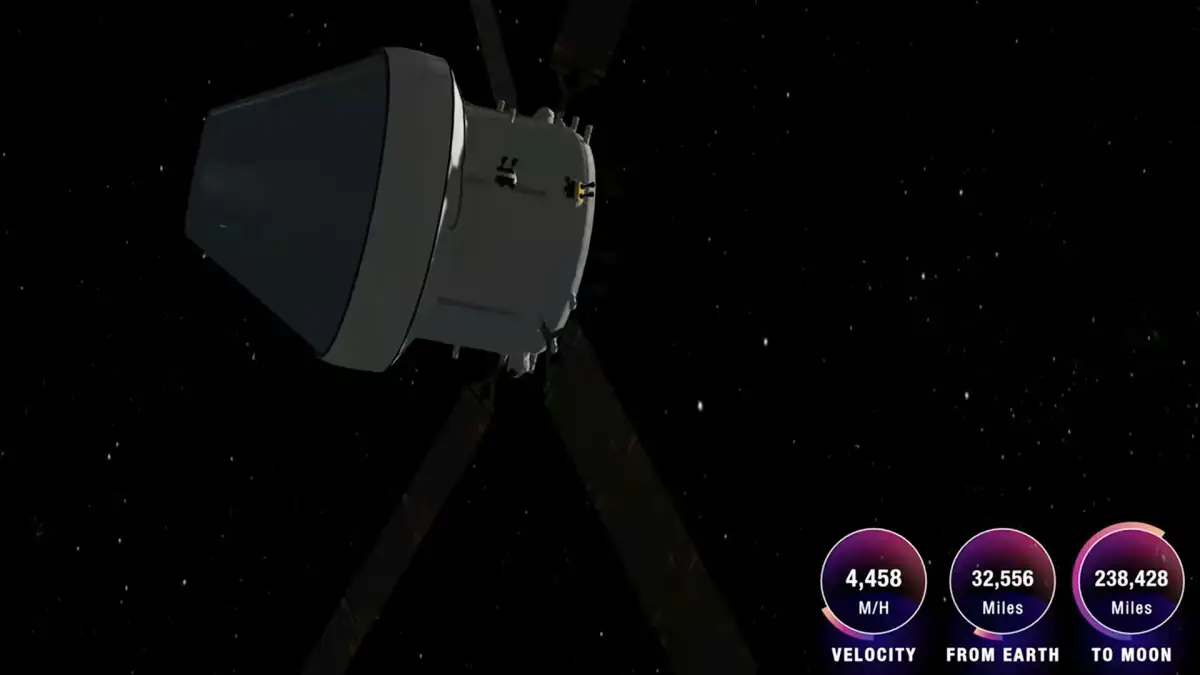
Launch Day Dynamics
The launch, initially experiencing a brief delay, eventually proceeded on April 1, 2026. Crowds gathered on Florida's Space Coast to witness the event. Earlier preparations involved the SLS rocket's core stage transitioning through fuel loading and system chilldown procedures. Reports indicate a battery issue was resolved, clearing the mission for its departure. Canadian astronaut Jeremy Hansen expressed gratitude for the perseverance shown during the critical engine burn, noting the "power of your perseverance."
Read More: New York Mets vs Atlanta Braves 7 April 2026 NL East game preview
Mission Overview
Duration: Approximately nine to ten days.
Objective: To fly astronauts around the moon and return them to Earth.
Key Hardware: 'Orion spacecraft' and 'Space Launch System' (SLS) rocket.
Crew: Four astronauts (three from NASA, one from CSA).
Significance: First crewed lunar flyby since the Apollo missions.
The Artemis II crew will experience a solar eclipse on the sixth day of their journey. This mission does not include a lunar landing or orbit insertion, focusing instead on testing the spacecraft and systems for future, more complex endeavors.