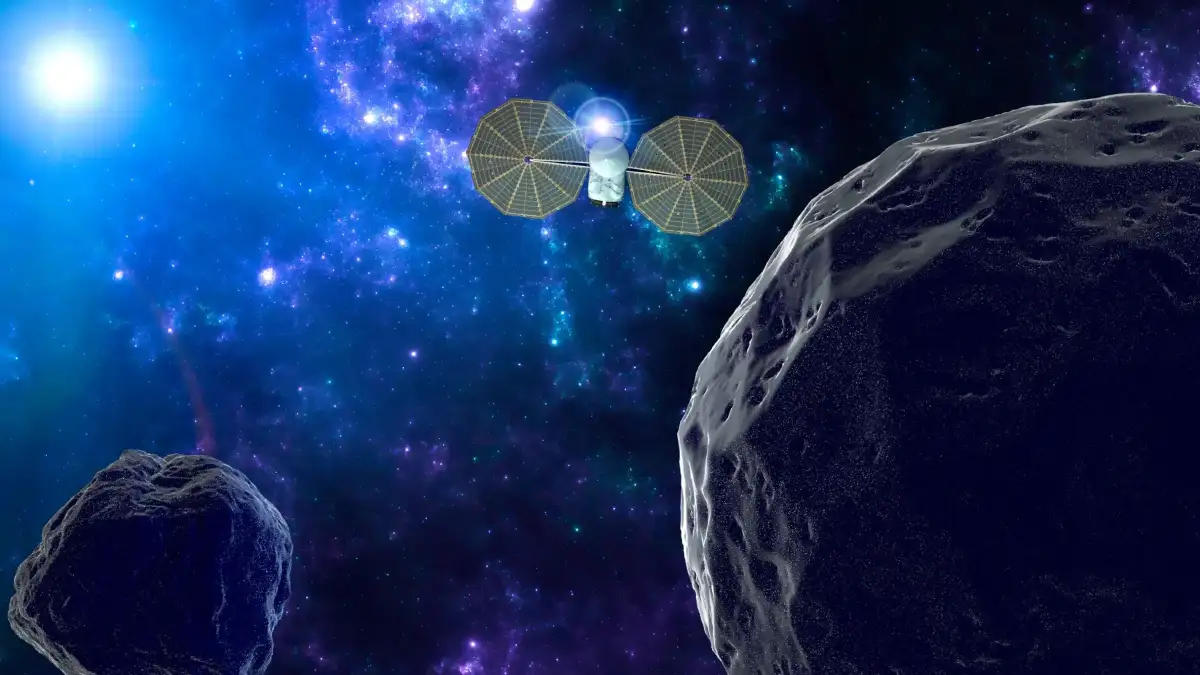
Four astronauts aboard the NASA Orion spacecraft have embarked on a journey around the Moon, marking the first crewed expedition beyond low-Earth orbit in over 50 years. The Artemis II mission, launched from Kennedy Space Center in Florida, represents a significant step in NASA's ambitions for lunar exploration and potential future missions to Mars.
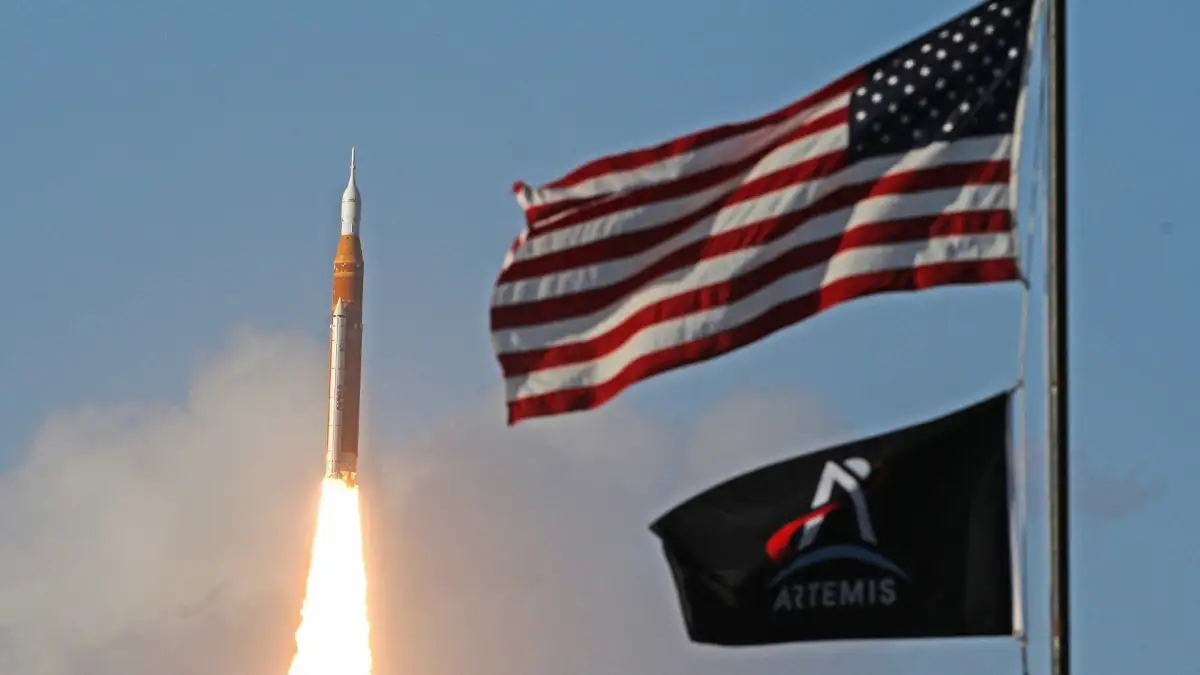
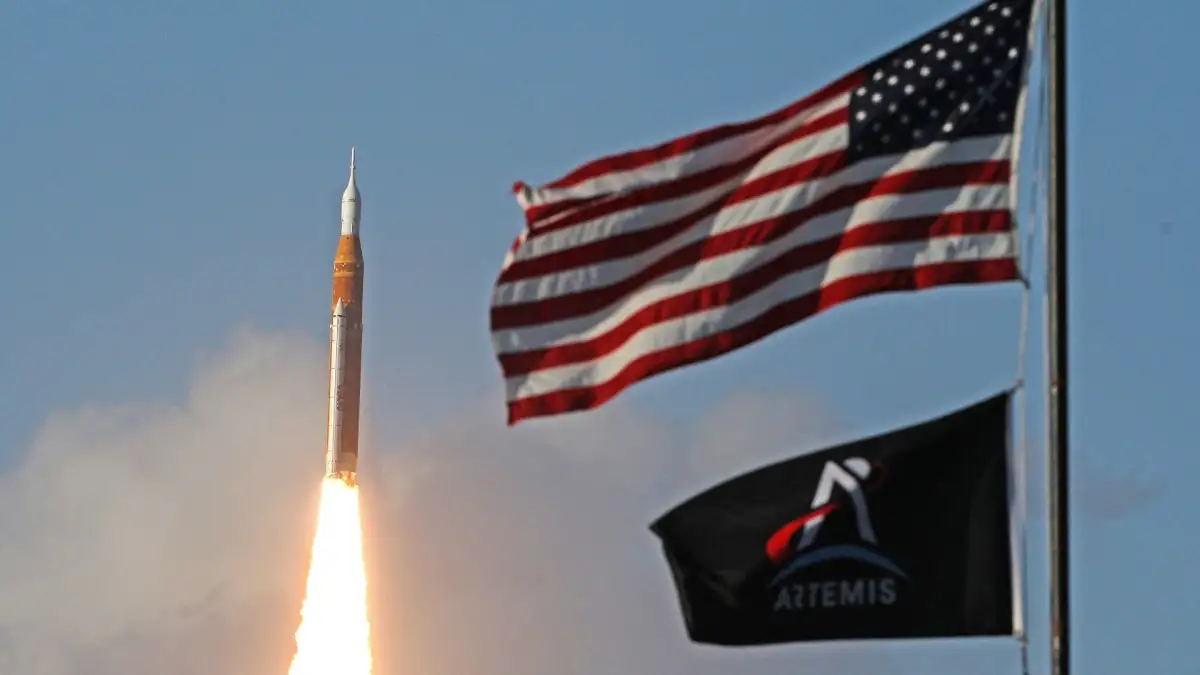
The mission, a 10-day flight, involves astronauts looping around Earth's natural satellite. They are expected to witness the far side of the Moon from approximately 5,000 miles away on April 6. The crew comprises astronauts Reid Wiseman, Victor Glover, and Christina Koch from the United States, and Jeremy Hansen from the Canadian Space Agency.
A New Era of Deep Space Travel
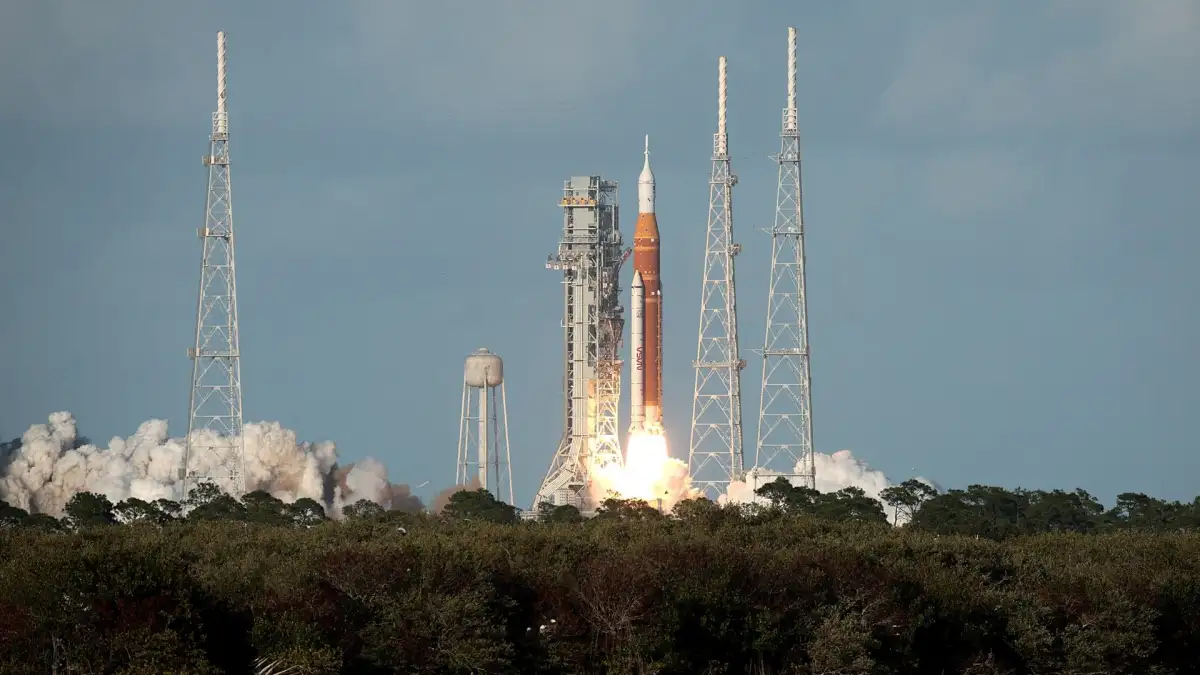
This flight utilizes NASA's Space Launch System (SLS) rocket and the Orion spacecraft, both making their first crewed voyage. The Artemis II mission serves as a critical test for these new deep-space capabilities, intended to pave the way for future lunar surface missions, including Artemis III, which now targets a lunar landing in a later iteration.
Read More: US Space Force Victus Haze Mission Successfully Tests Orbital Intercepts
"We are ready to go," stated an official regarding the launch readiness.
Diverse Crew and Technological Debut
The Artemis II crew is notable for its diversity, including the first woman, the first Black astronaut, and the first non-American to travel to the Moon. The Orion capsule also features the first toilet designed for lunar journeys. The mission will also involve the crew participating in studies on the health impacts of space travel and identifying potential landing sites for subsequent missions.
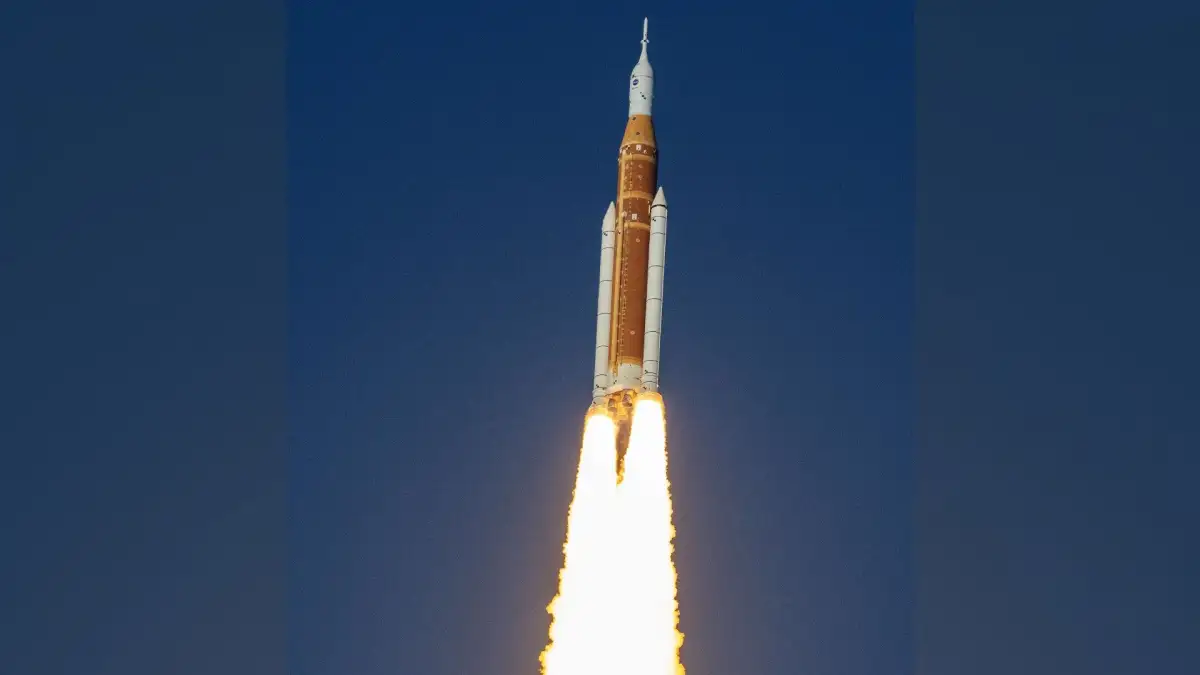
The launch occurred on Wednesday afternoon, with liftoff reported at 6:35 p.m. Eastern. Despite a brief reported loss of communications with Orion shortly after reaching orbit, NASA indicated successful troubleshooting by the crew and ground teams.
Historical Context
The Artemis II mission revisits territory not explored by humans in deep space since the Apollo program concluded in 1972. The previous uncrewed Artemis I mission involved a 25-day test flight of the Orion spacecraft and SLS rocket. This current mission is positioned as a crucial demonstration for the overarching Artemis program, aiming for a crewed lunar landing within the next two years.
Read More: New York Mets vs Atlanta Braves 7 April 2026 NL East game preview