ARCTIC REGIONS are grappling with the accelerating erosion of vital cultural heritage sites, a direct consequence of changing climate patterns. Permafrost thaw, rising sea levels, and intensified coastal erosion are collectively undermining structures and landscapes that hold deep historical and cultural significance for indigenous communities.
The core issue is the physical disintegration of culturally significant sites due to environmental shifts directly linked to climate change. This is not a future projection but a present reality impacting tangible aspects of Arctic history.
Permafrost Melt: A Shifting Foundation
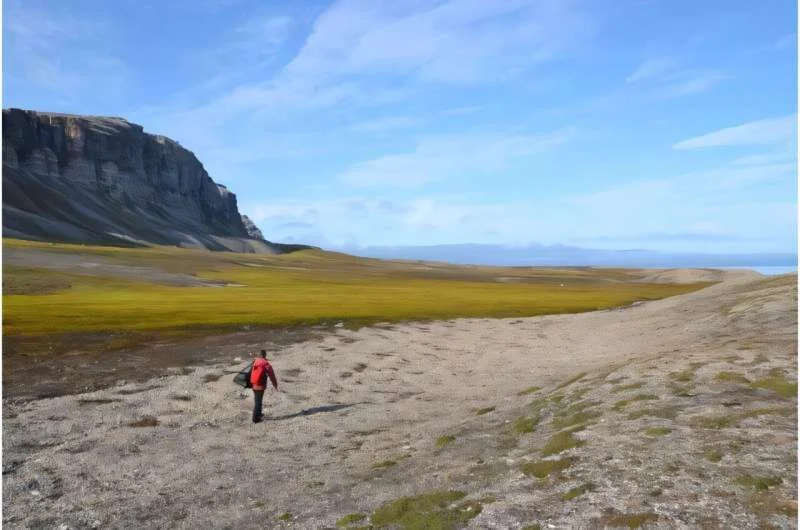
The thawing of permafrost, ground that has remained frozen for centuries, destabilizes the very ground upon which many Arctic heritage sites are built.

Impacts: Ancient burial grounds, historic settlements, and traditional infrastructure are succumbing to this geological instability.
Data: While specific data on the number of sites affected is still being compiled, anecdotal evidence and preliminary surveys indicate widespread damage across Siberia, Alaska, and Canada.
Coastal Erosion and Rising Waters
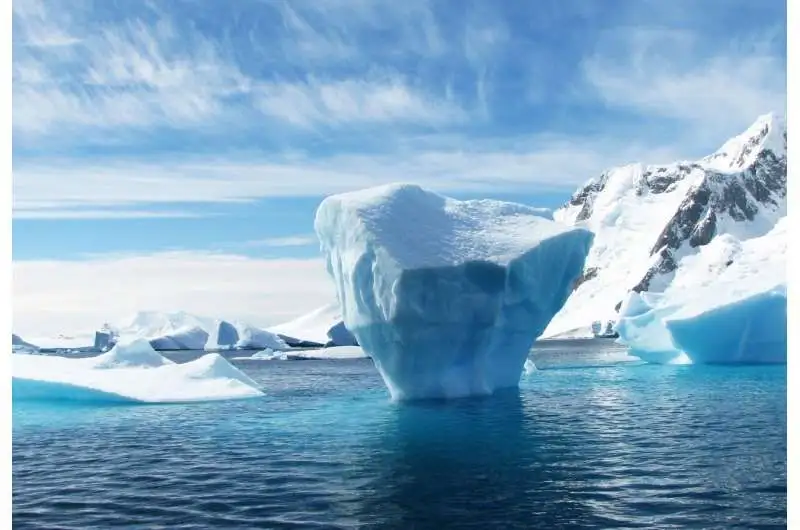
The Arctic coastline is receding at an alarming rate, driven by warmer ocean temperatures and diminished sea ice, which previously acted as a buffer against storm surges.
Read More: Amazon Land Use Changes Cause Disease Clusters in Brazil
Vulnerable Sites: Coastal archaeological sites, often containing preserved organic materials from past human activity, are being submerged or washed away.
Community Impact: Indigenous communities are losing access to ancestral lands and sacred sites that have been central to their identity for generations.
Broader Climate Context
The observed changes in the Arctic are part of a larger global climate phenomenon. Meteorologists and climate scientists define 'climate' as the long-term average of weather patterns, typically assessed over 30-year periods. Global climate models, often downscaled to regional levels, are used to analyze these changes.
"Understanding climate is essential for informed decision-making to address climate risks." - World Meteorological Organization (WMO)
The WMO, alongside organizations like the Intergovernmental Panel on Climate Change (IPCC), works to consolidate scientific understanding and provide data on climate conditions. These efforts highlight the interconnectedness of Earth's climate system – encompassing atmosphere, oceans, and land – and the human activities influencing it. The Arctic's rapid transformation serves as a stark illustration of these broader climatic shifts.