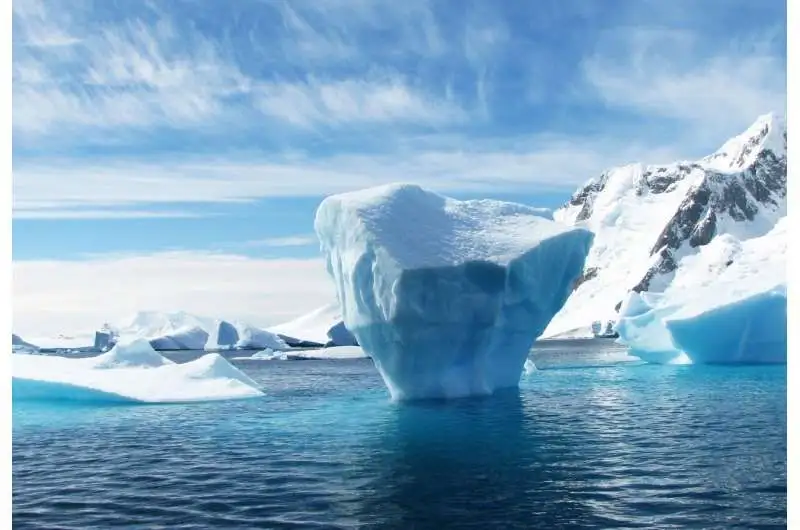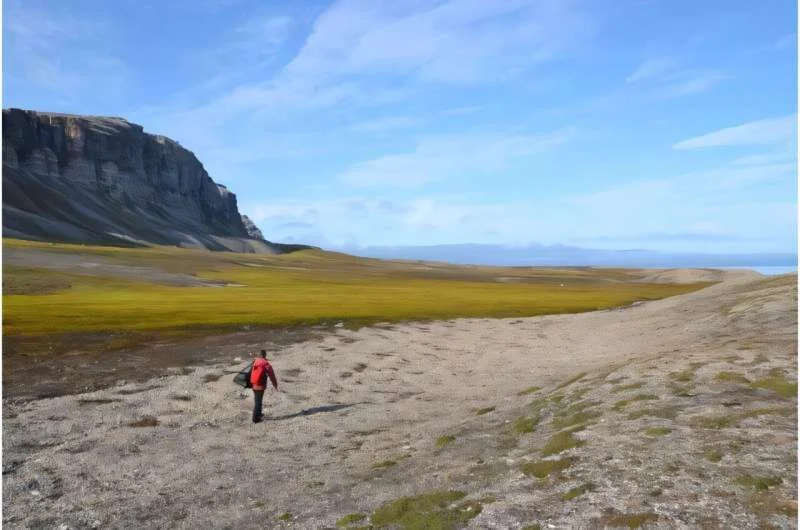
Rising global temperatures are driving the expansion of Arctic peatlands, a development that offers a temporary benefit by increasing carbon storage but carries the potential for future carbon release, according to recent research. This expansion, confirmed across multiple studies, indicates a significant shift in these vital, yet fragile, ecosystems. The findings highlight a complex relationship between warming climates and the vast carbon reservoirs found in Arctic soils, prompting further inquiry into their long-term implications for the global carbon balance.
Warming Arctic Fuels Peatland Growth and Carbon Capture
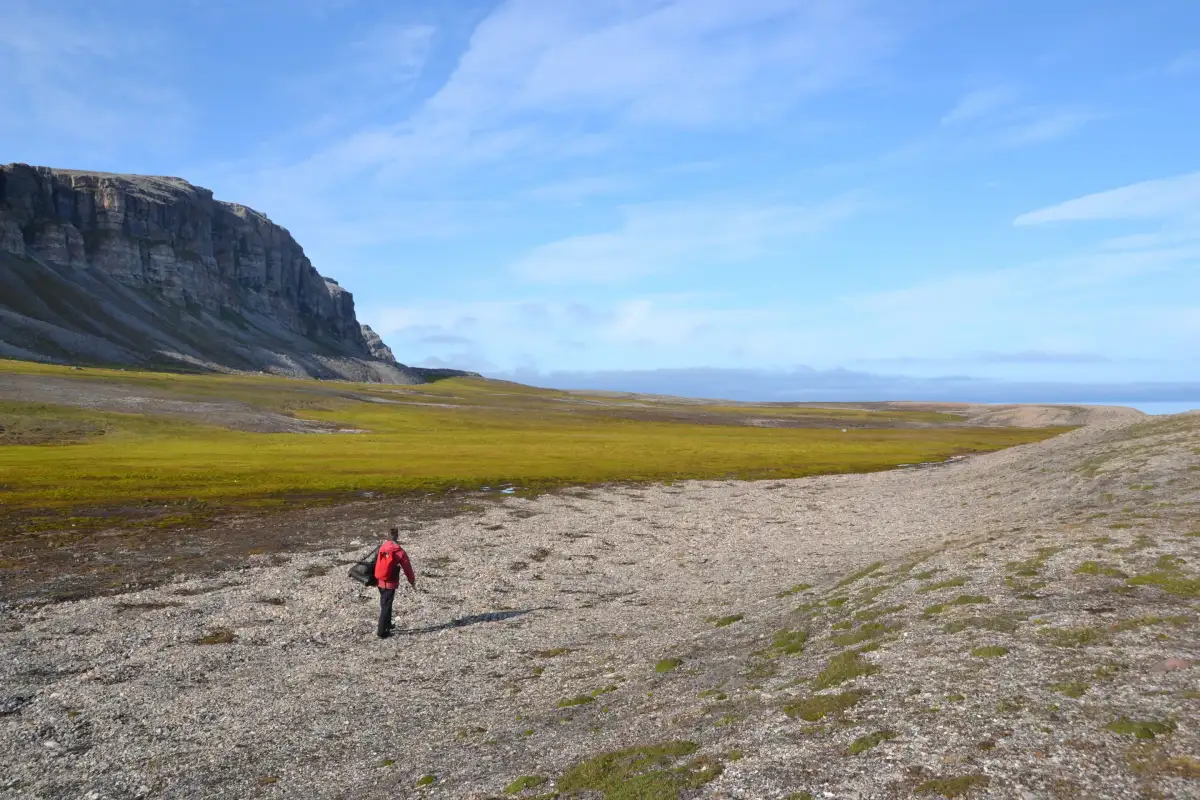
New scientific findings confirm that peatlands across the Arctic are growing in size as temperatures increase. This expansion is observed across a wide range of Arctic conditions, with studies analyzing samples from 12 sites in the European and Canadian Arctic. Researchers suggest this trend is likely happening throughout the Arctic region.
Observed Phenomenon: Peatlands, which are waterlogged areas that store large amounts of carbon, are increasing in size.
Geographic Scope: The research encompasses European and Canadian Arctic regions, indicating a broader Arctic phenomenon.
Driving Force: Rising global temperatures are identified as the primary cause of this expansion.
Methodology and Collaboration
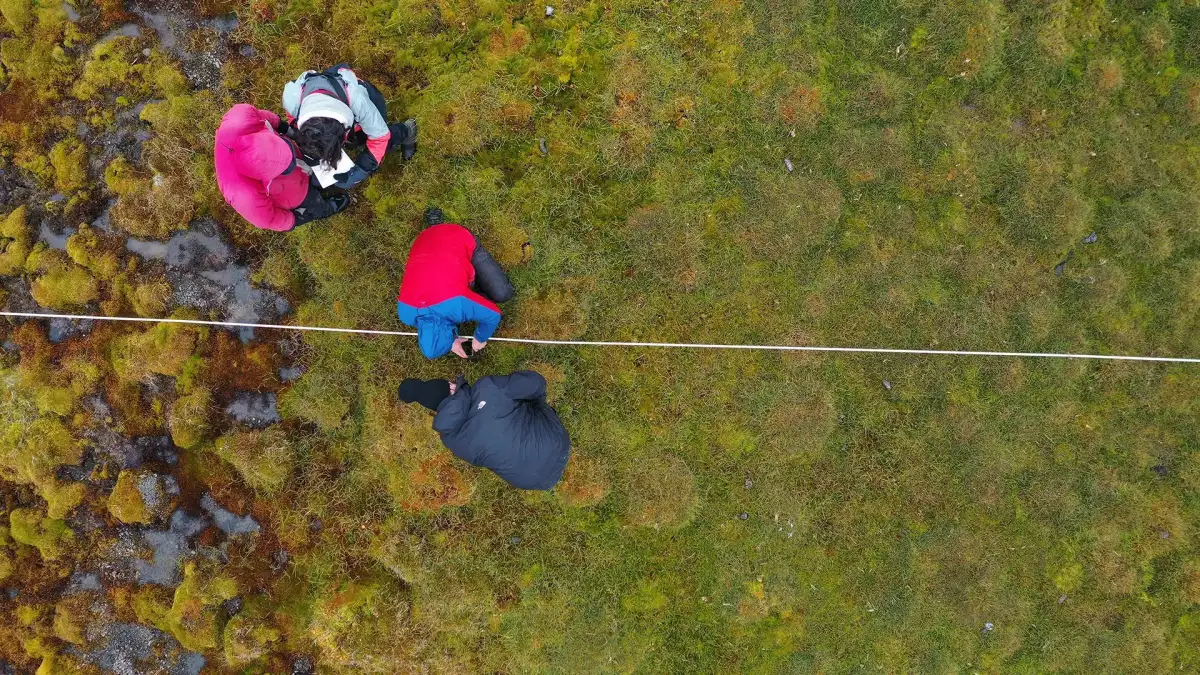
The research combines several methods to assess peatland changes. Scientists utilized satellite data, drones, and on-the-ground observations to examine the edges of existing peatlands. Fieldwork involved collecting peatland cores, which are tube-shaped samples of soil, to determine the rate and extent of peatland expansion.
Read More: Amazon Land Use Changes Cause Disease Clusters in Brazil
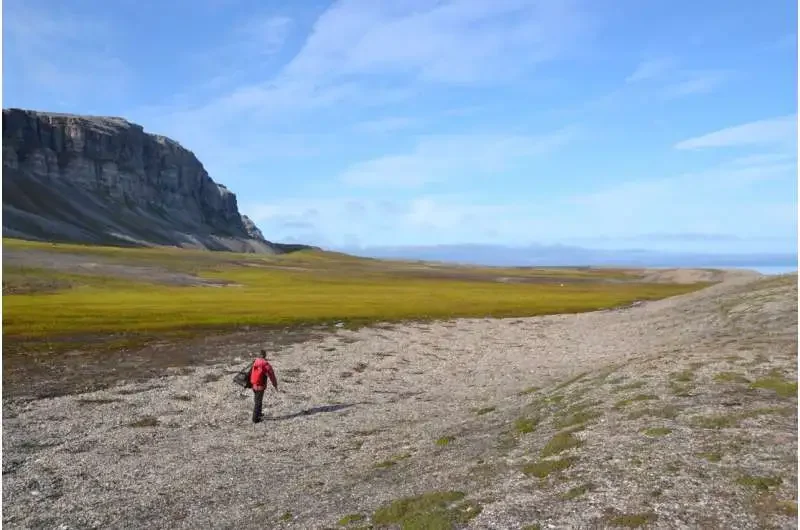
Data Sources: Satellite imagery, drone footage, and direct soil samples were employed.
Sampling Technique: Peatland cores were extracted for detailed analysis.
International Effort: The studies involved collaborators from institutions including Queens University Belfast, Université du Québec at Montréal and at Trois-Rivières, University of Helsinki, and the University of Hawaii at Mauna Loa.
Peatlands: A Double-Edged Sword for Carbon Storage
Arctic peatlands hold a significant amount of carbon, estimated to be 600 billion tons, surpassing the carbon stored in all the world's forests combined. The current expansion suggests these areas are acting as carbon sinks, drawing down atmospheric carbon dioxide. However, scientists caution that this benefit may be temporary.
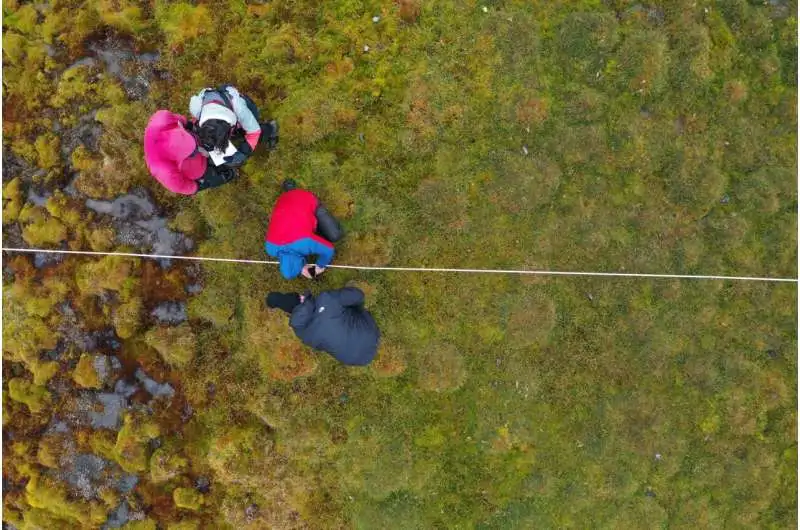
Carbon Reservoir Size: Peatlands store vast quantities of carbon, exceeding global forest carbon stocks.
Current Role: Expansion indicates a short-term increase in carbon sequestration.
Future Risk: Extreme warming could reverse this trend, causing peatlands to release stored carbon.
"More carbon storage will help to slow climate change, but extreme future warming could cause loss of peatlands and the release of that carbon." - Researchers
Potential for Future Carbon Release
While current warming promotes peatland growth and carbon storage, continued or extreme warming could lead to the opposite effect. If permafrost thaws, soils dry out, or microbial decomposition accelerates, these peatlands could transition from carbon sinks to carbon sources, releasing potent greenhouse gases like methane and carbon dioxide into the atmosphere.
Read More: Ancient Plankton Shells Show How Arctic Climate Changed
Triggers for Release: Permafrost thaw, soil desiccation, and increased microbial activity are identified risks.
Greenhouse Gas Emissions: The release of methane, a powerful greenhouse gas, is a concern.
Regional Variability: While high Arctic zones show uniform gains, some low Arctic areas exhibit regional variations linked to permafrost thaw and hydrological shifts.
Research Insights and Uncertainties
Studies indicate that while high Arctic peat-areas show increases in peak-summer moisture, some low Arctic peat-areas show decreases. This regional variability suggests that the impact of warming on peatlands is not uniform across the entire Arctic. Furthermore, satellite data, while useful for observing surface changes, cannot solely confirm net soil carbon accumulation.
Moisture Trends: Mixed moisture trends are observed between high and low Arctic peatlands.
Data Limitations: Satellite data offers surface insights but not definitive soil carbon accumulation figures.
Paleo Climate Connection: Historical warming periods have been linked to increased carbon storage in peatlands.
"We know from paleo records that warmer periods in Earth’s history led to more carbon being stored in peatlands.” - Researchers
Expert Perspectives on Arctic Peatlands
Lead author Dr. Josie Handley, now at the University of Cambridge, notes the changing ecology of Arctic regions, with increased plant growth due to climate change playing a key role in peatland formation. Professor Angela Gallego-Sala and Dr. Crichton from the University of Exeter were involved in identifying study sites and conducting fieldwork, facing challenges such as navigating remote locations and the interruption of research due to COVID-19 lockdowns.
Plant Growth Influence: Climate change-driven plant growth is a factor in peatland dynamics.
Fieldwork Challenges: Research expeditions encountered logistical and environmental hurdles.
Long-Term Outlook: The near-term outlook suggests peatlands will remain carbon sinks, especially if precipitation increases and warming is mitigated.
"Our new study puts these pieces together to examine whether our warming climate is causing peatland expansion – and we find strong evidence that it is.” - Researchers
Conclusion and Future Directions
The consensus among recent research is that Arctic peatlands are expanding due to rising temperatures, presenting a complex scenario for the global carbon balance. In the near term, this expansion contributes to carbon sequestration, potentially slowing climate change. However, the long-term implications are uncertain, with a significant risk that continued warming could transform these areas into sources of greenhouse gas emissions. Further monitoring and research are crucial to understanding the trajectory of these vital ecosystems and their role in the evolving climate.
Read More: Kanyakumari Atomic Mining Permit Extended for 1144 Hectares in 2026
Key Finding: Arctic peatlands are expanding and currently acting as carbon sinks.
Primary Risk: Extreme future warming poses a threat of carbon release.
Next Steps: Continued observation and analysis are necessary to refine climate projections related to Arctic peatlands.
Sources Used:
phys.org: Published on February 26, 2026. This article provides an overview of the research, including findings on peatland expansion, carbon storage, and the international collaboration involved.https://phys.org/news/2026-02-arctic-peatlands-temperatures.html
news.exeter.ac.uk: Published on June 16, 2025. This article details the research from the University of Exeter, mentioning the use of satellite data, drones, and fieldwork.https://news.exeter.ac.uk/faculty-of-environment-science-and-economy/arctic-peatlands-expanding-as-climate-warms/
sciencedaily.com: Published on June 25, 2025. This article summarizes findings based on satellite data over 40 years, highlighting peatland expansion and carbon storage.https://www.sciencedaily.com/releases/2025/06/250620031151.htm
phys.org: Published on June 19, 2025. This article reiterates the expansion of Arctic peatlands with warming temperatures and discusses the combination of research methods used.https://phys.org/news/2025-06-peatlands-arctic-climate.html
earth.com: Published on June 22, 2025. This article discusses the spreading of Arctic peatlands and the potential for a temporary boost in natural carbon storage, alongside warnings of future release.https://www.earth.com/news/arctic-peatlands-are-spreading-as-temperatures-rise/
nature.com: Published on June 19, 2025. This article, appearing in Communications Earth & Environment, presents satellite data indicating recent Arctic peatland expansion with warming and changes observed along transects.https://www.nature.com/articles/s43247-025-02375-1
environmentenergyleader.com: Published on June 24, 2025. This article discusses the dual implications of peatland expansion, noting their role as carbon sinks in the near term but potential sources under accelerated permafrost thaw.https://environmentenergyleader.com/stories/arctic-peatlands-are-expanding,81800
france24.com: Published on June 19, 2025. This article from AFP reports on Arctic warming spurring peatland growth, highlighting the potential for slowing global heating in the near term and the risk of the opposite effect in the future.https://www.france24.com/en/live-news/20250619-arctic-warming-spurs-growth-of-carbon-soaking-peatlands