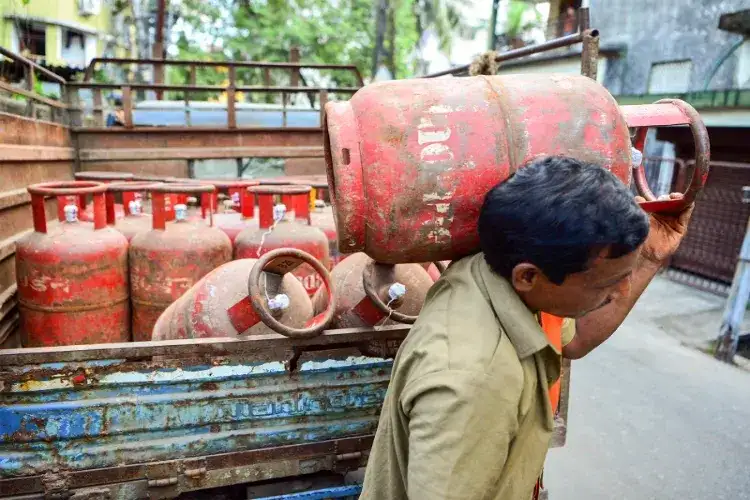
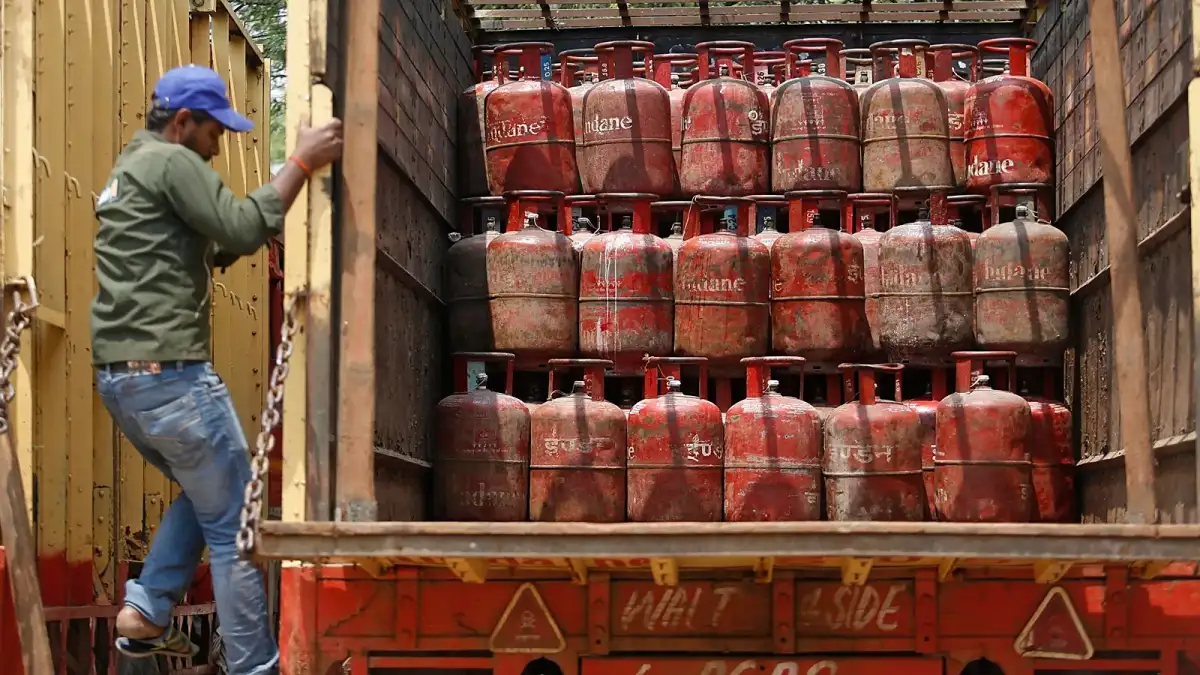
KOLKATA: LPG cylinder prices have seen a sharp rise, with domestic units up by Rs 60 and commercial ones by Rs 114.5. This hike comes amidst escalating global crude oil prices, a direct consequence of the 'West Asia conflict'. The cost of fuel, specifically petrol and diesel, in West Bengal is reportedly higher than in several other states. This situation has drawn sharp criticism, with allegations that the state government is imposing substantial taxes on these essential commodities.

The central issue at play involves the significant increase in LPG prices, alongside pointed questions regarding the elevated rates of petrol and diesel within West Bengal when contrasted with other Indian states. This has ignited a political firestorm, with accusations of "anti-people policies" and a questioning of the state's fiscal approach to fuel taxation.
Read More: Goldman Sachs predicts 15 million US jobs lost to AI by 2036

Mithun Chakraborty, a BJP leader, has been particularly vocal, directly challenging the Mamata Banerjee government. He asserts that the state government is attempting to "politicize a global crisis" while simultaneously burdening citizens with higher fuel costs. Chakraborty has publicly questioned the rationale behind West Bengal's elevated fuel prices, demanding an explanation for why taxes on petrol and diesel are steeper compared to those in other regions.
State Taxes Under Scrutiny
Chakraborty’s remarks, made at a press conference at the state BJP office, highlight the disparity in fuel pricing. He suggests that the West Bengal government, instead of alleviating the financial strain on its populace, is exacerbating it through its taxation policies. This has led to a situation where, even with global crude prices fluctuating, consumers in Bengal face higher costs at the pump. The government's stance, as per 'sources', is that the LPG price hike is necessary to balance 'consumer interest' and the 'finances of oil companies', with 'no immediate plan to raise petrol and diesel prices'. However, 'disruptions in maritime traffic' and the 'West Asia conflict' are cited as drivers for increased international crude oil and petroleum fuel prices.
Read More: Om Birla asks West Bengal MLAs for solutions, not just criticism

Broader Political Landscape
Beyond the immediate concern of fuel prices, the political discourse has broadened to encompass issues of public safety, particularly women's security, and border infiltration. Chakraborty accused the ruling Trinamool Congress (TMC) government of failing to ensure adequate law and order, suggesting that advice to women to avoid going out at night is a dereliction of duty. He also pointed to the "porous frontier" with Bangladesh, alleging that the state government's reluctance to provide land for border fencing is contributing to unchecked infiltration.
Opposition's Unified Front
This situation is not isolated to West Bengal. Opposition leaders, including Mamata Banerjee herself, along with figures like Mallikarjun Kharge and Rahul Gandhi, have collectively slammed the Union government's policies, labelling the LPG price hike as an "Assault On Household Budgets". They question the affordability of petrol, diesel, and LPG, especially when global crude prices have seen a downturn, attributing this to "anti-people policies" of the Union government.
Read More: New ways to measure AI's impact on jobs and economy
Global Context and Supply Dynamics
Meanwhile, 'government sources' have indicated that the country's stock of crude oil and derived fuels like diesel and petrol is increasing, with 'oil cargoes' arriving from various regions. They posit that the LPG price increase translates to a minimal daily cost per person. Despite the international price surge due to the 'Hormuz strait disruptions', Indian entities are reportedly in contact with 'international suppliers' to secure additional volumes, maintaining a "comfortable" position regarding fuel availability in the near term.
Background: A Pattern of Price Adjustments
The recent surge follows previous increases. Domestic LPG cylinders have seen price jumps across major cities. For instance, in Delhi, the price of a 19 kg commercial cylinder rose from Rs 1,768.50 to Rs 1,883. In Kolkata, domestic cylinder prices escalated from Rs 1,875.50 to Rs 1,990, while in Chennai, they moved from Rs 1,929 to Rs 2,043.50. These adjustments occur against a backdrop of global geopolitical tensions and fluctuating energy markets.
Read More: TMC dissolves West Bengal committees after election loss