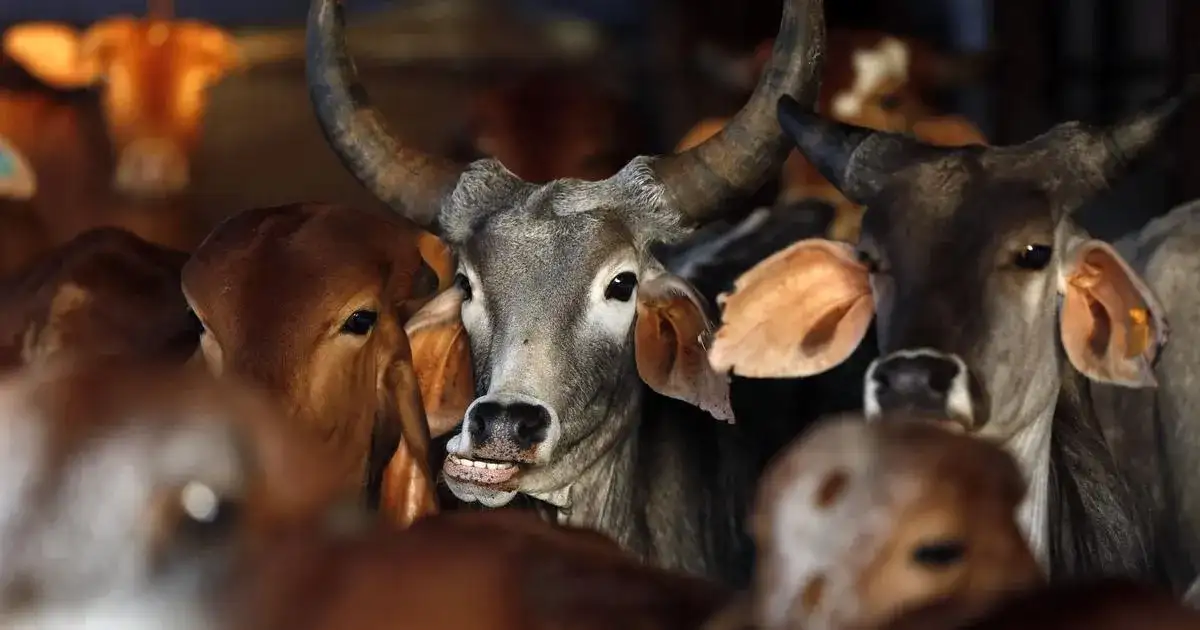
Kolkata, May 14 – The newly installed Bharatiya Janata Party (BJP) government in West Bengal has initiated stringent measures concerning animal slaughter, emphasizing the enforcement of the West Bengal Animal Slaughter Control Act, 1950. This move, announced yesterday, includes a mandatory fitness certificate for the slaughter of cattle, buffaloes, bulls, and cows. Public slaughter of these animals is now prohibited, and adherence to the regulations could result in penalties of up to six months in jail, a fine of ₹1,000, or both.
The administration has cited the 1950 Act and a 2018 Calcutta High Court order as the legal basis for this directive. The fitness certificate, issued by designated officials, must confirm that the animal is either over 14 years old and no longer useful for work or breeding, or is permanently incapacitated due to age, injury, deformity, or incurable disease. Slaughter is restricted to authorized facilities, and obstruction of officials carrying out inspections is also barred.
Read More: Australia Gambling Ads: New Rules Start May 12, Affecting TV and Online

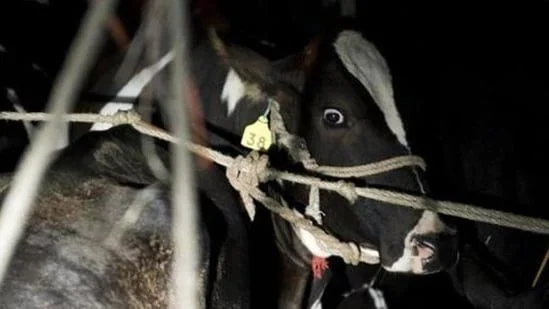
The government has also ordered a crackdown on cattle smuggling and the closure of unauthorized cattle markets, a measure that aligns with the BJP's stated campaign promises. This push to regulate cattle movement and trade is seen as a direct administrative response to long-standing concerns about illegal cross-border movement and associated rackets.

Appeal Process for Certificate Refusal
Individuals denied a fitness certificate have a recourse within the new regulations. An appeal can be lodged with the State Government within 15 days of receiving notification of the certificate's rejection.
Historical Context and Previous Stances
This enforcement marks a shift from the previous administration's approach. Under the leadership of Mamata Banerjee, West Bengal had previously resisted central government notifications concerning cattle slaughter, viewing them as an encroachment on state powers. In December 2021, Banerjee had stated the state would not abide by such notifications, deeming them unconstitutional and questioning their timing around religious periods. West Bengal, alongside states like Kerala, has historically been noted for including beef in its local cuisine, a point of contention in the broader national debate on cow slaughter.
Read More: Om Birla asks West Bengal MLAs for solutions, not just criticism
The legal framework governing animal slaughter in India has been a subject of varying state laws and judicial interventions. Historically, some states have enacted bans, while others have regulated the slaughter of specific animals like bulls and buffaloes, often requiring prior government permission. The legality and implementation of such bans have faced challenges, including Supreme Court interventions that have, at times, suspended nationwide bans on cattle sale for slaughter.