A New Method Offers Deeper Insights
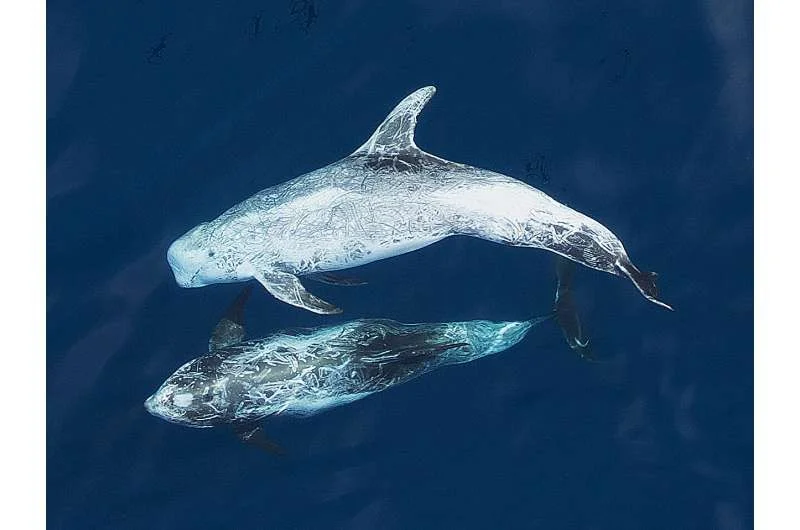
Scientists in the U.S. have developed a method using traces of DNA found in seawater to gauge the health of dolphin populations. This approach allows for the measurement of local effective population size and genetic diversity, previously difficult to assess without direct contact with the animals. The breakthrough, detailed in Frontiers in Marine Science, signifies a shift in marine mammal conservation, enabling more nuanced monitoring.
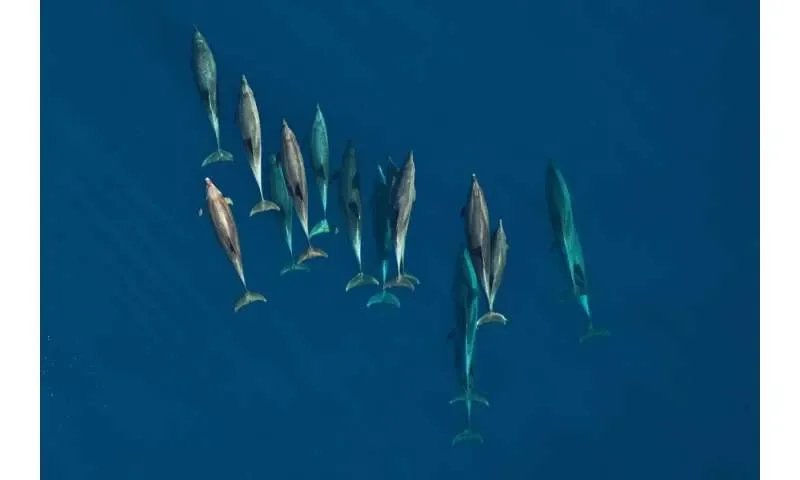
Previously, environmental DNA (eDNA) methods offered only basic biodiversity measures, such as species presence. This new technique, however, extracts mitochondrial DNA from water samples taken near dolphin schools. It provides critical data on the number of individuals, the evenness of species distribution, and, crucially, the genetic diversity within a population. This genetic diversity is a key indicator of a population's resilience and long-term health.
Read More: Indigenous Data Rights Now Key in Conservation Genomics
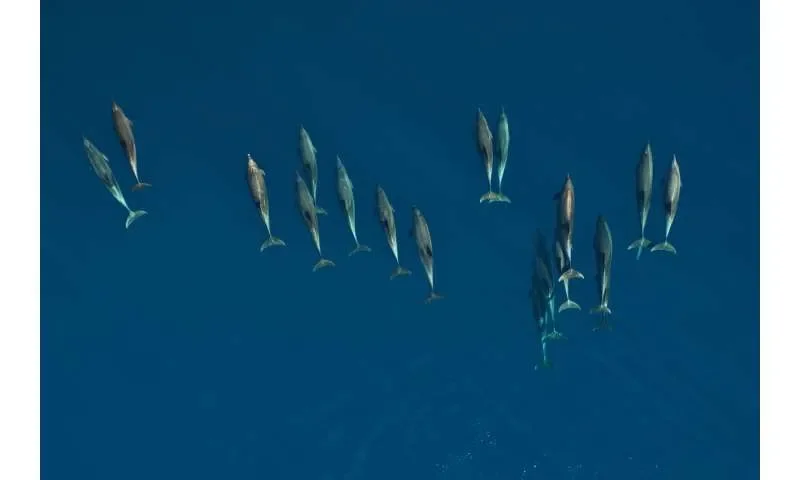
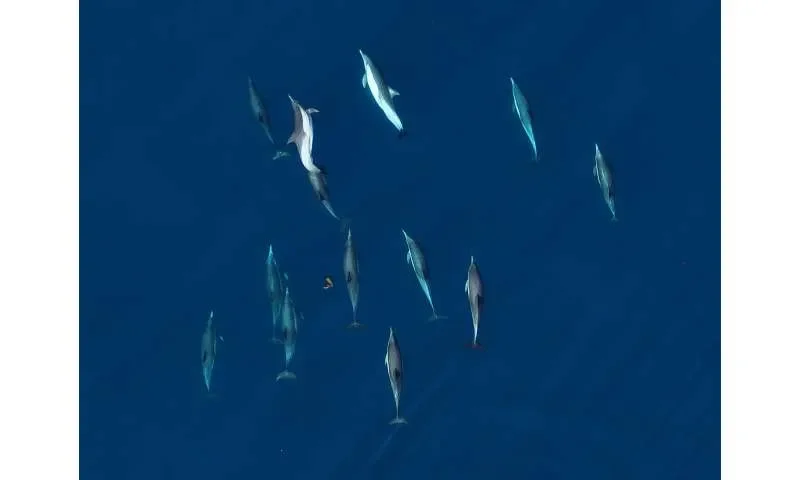
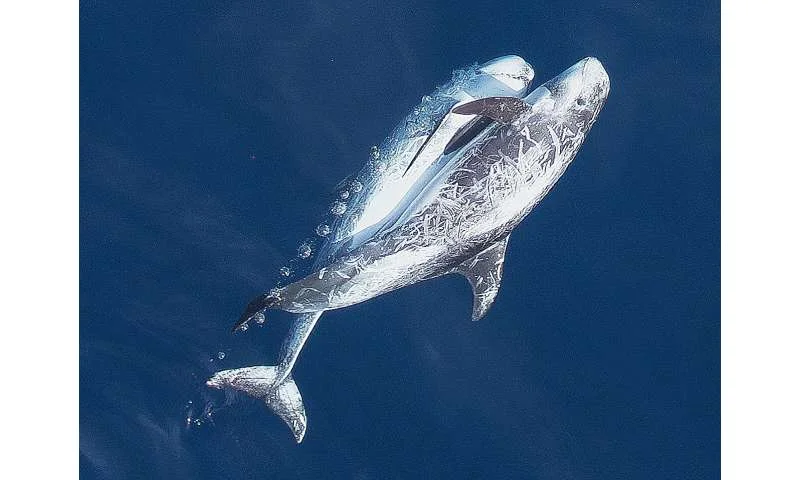
The study focused on several common species off the coast of Southern California. Researchers collected seawater samples within 10 meters of dolphin pods. Initial findings indicate that long-beaked common dolphins exhibit greater genetic diversity in the region compared to bottlenose and Risso’s dolphins, which showed less diversity. The volume of DNA collected, and thus the insights gained, may vary depending on the dolphin species.
Implications for Conservation
The ability to monitor population health non-invasively is seen as a significant step forward. It allows for the assessment of factors crucial for conservation efforts that were previously challenging to quantify. The researchers emphasize the importance of initiating eDNA monitoring programs promptly, as this method opens avenues for conservation strategies that were not previously possible.
This advancement moves beyond simply identifying species in an area. It provides a quantitative measure of population structure and genetic makeup, essential for understanding the vulnerability and adaptability of these marine mammals to environmental changes. The technique holds promise for widespread application in monitoring other marine species as well.
Read More: University of La Verne 2026 admissions and rankings update