KOLKATA – May 14, 2026 – In a striking display, former West Bengal Chief Minister Mamata Banerjee presented herself before the Calcutta High Court today, clad in a lawyer's gown. Her appearance is tied to the ongoing legal scrutiny of alleged post-election violence that has gripped the state following the recent Assembly election results. The proceedings centre on accusations of attacks against political workers and party offices in the wake of the election outcome, which saw the Trinamool Congress (TMC) lose its long-held majority to the BJP.
The court's engagement with the post-poll violence allegations underscores the ongoing tension and the judiciary's role in addressing the unrest that has plagued multiple districts since the election results were declared on May 4. Both the BJP and the TMC have traded blame for the incidents, which reportedly include clashes, vandalism, and bomb attacks.
Read More: Taiwan Holds Nantou County Drills to Prepare for State Collapse
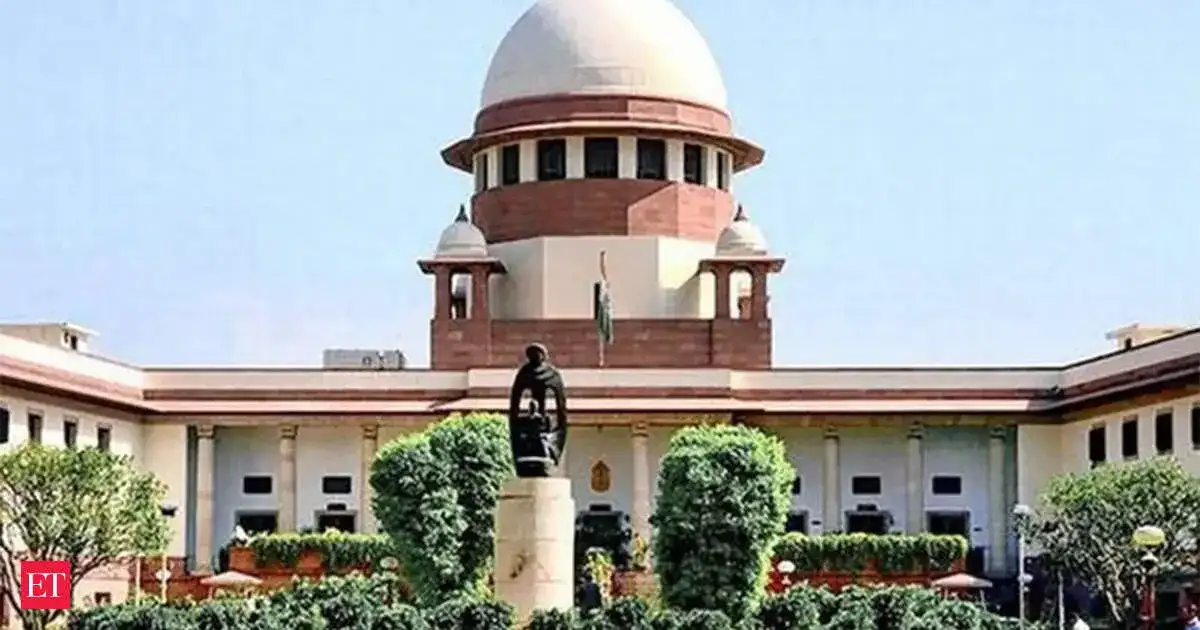
The TMC has framed Banerjee's court appearance as a testament to her commitment, stating via a social media post that "she never abandons the people of Bengal in their hour of need" and remains dedicated to the pursuit of truth, justice, and constitutional principles. This development arrives at a particularly sensitive juncture for the TMC, which faces internal pressures and public criticism following its significant electoral defeat.
Historical Context and Judicial Scrutiny
The current legal challenges echo previous instances where the Calcutta High Court has addressed the issue of post-poll violence. In August 2021, the court had reserved its verdict on the matter, with the state government and Banerjee herself having previously denied widespread allegations, characterizing them as isolated incidents occurring while the administration was under the purview of the Election Commission. At that time, the state government had dismissed allegations as "sweeping homilies, absurd, and false."
Read More: Om Birla asks West Bengal MLAs for solutions, not just criticism
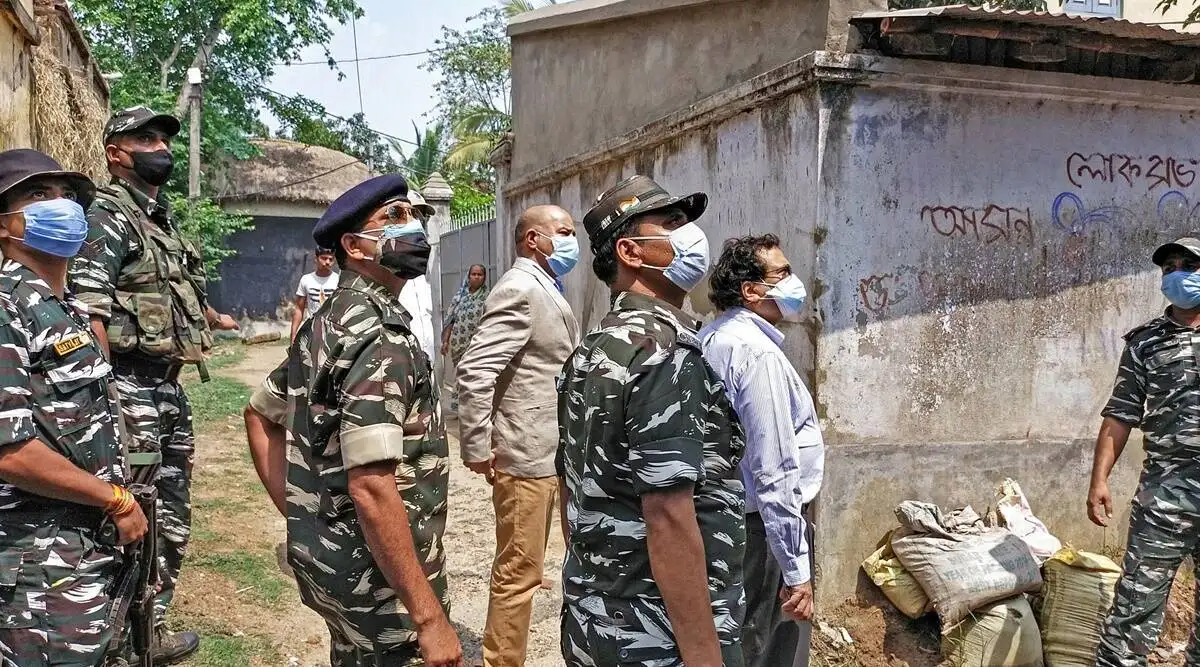
Reports from committees, such as the one submitted by the National Human Rights Commission (NHRC) on July 13, 2021, had indicated the occurrence of post-poll violence. The court had previously allowed the West Bengal government until July 26, 2021, to file affidavits in response to the NHRC report, with a subsequent hearing scheduled for July 28. A division bench had also previously indicted the West Bengal government over the post-poll violence allegations.
Broader Legal and Political Landscape
Banerjee's foray into the courtroom is not entirely unprecedented in her current political posture. She has previously indicated an intention to challenge the election mandate through legal avenues, even considering a move to the Supreme Court over alleged rigging. This suggests a strategic shift towards legal activism in the face of electoral setbacks.
Separately, other legal proceedings involving Banerjee and the TMC have also seen significant judicial attention. Earlier this year, the Calcutta High Court heard cases involving the Enforcement Directorate (ED), with Banerjee's counsel present. In January 2026, the ED denied seizing data in relation to the IPAC case, with arguments also heard regarding the nature of the ED itself.
Read More: FBI Analysts Review Georgia 2020 Election Data in Fulton County
Amidst these legal battles, concerns regarding security and the potential for further unrest have persisted. A petition concerning the deployment of central forces in West Bengal in the context of post-poll violence apprehensions was also slated for consideration by the Supreme Court in early May 2026. The Election Commission of India has clarified its lack of authority over such matters once polling and counting conclude.