A meta-analysis of 133 species indicates that urban populations consistently exhibit higher levels of boldness, aggression, exploration, and activity compared to rural counterparts. Conducted by researchers from Lewis & Clark College, CEFE-CNRS, and North Dakota State University, the study identifies a global trend of behavioral convergence among animals forced to navigate human-dominated landscapes. While the findings remain most statistically robust for birds, the research suggests a widespread shift in how varied life forms respond to the built environment.
Comparative Behavioral Indicators
| Metric | Rural Populations | Urban Populations |
|---|---|---|
| Fear Response | High (Avoidance) | Low (Tolerance) |
| Aggression | Situation-dependent | Heightened |
| Exploration | Energy-conservative | High-frequency |
| Behavioral Range | Diverse/Adaptive | Standardized/Uniform |
The erosion of behavioral diversity limits the capacity for these animals to survive if returned to wild settings.
Proximity to humans fosters a loss of natural fear, a change researchers argue complicates human-animal interactions.
Roads, tunnels, and infrastructure reshape movement patterns, forcing distinct populations into narrow behavioral niches.
The Cost of Adaptation
The transformation of animal temperament is not merely a biological curiosity; it acts as a mechanism of evolutionary narrowing. By adapting to city life, animals trade away the traits required for survival in non-human environments. This leads to a feedback loop: as animals become more "brazen," their resilience against future environmental instability declines.
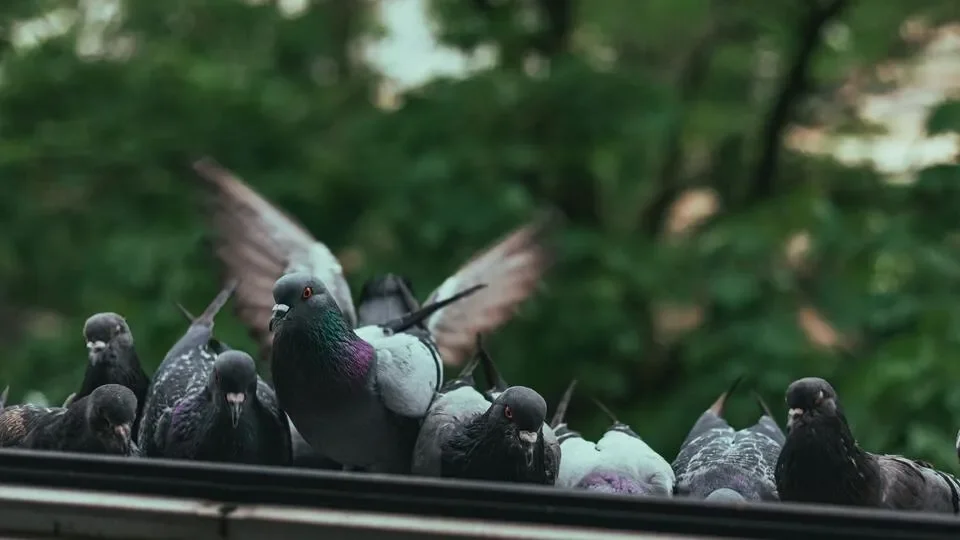
"When a species loses behavioral diversity, it loses resilience against future environmental change," according to reports on the ecological implications of these findings. Urban planners are now facing calls to account for these psychological shifts in animal populations, as the distinction between "tame" city creatures and "wild" rural counterparts blurs into a singular, aggressive uniformity.
Read More: Tsukuba University: Yeast Enzyme Secrets Revealed by Cryo-EM
"Urban populations exhibited heightened boldness, aggression, exploration, and activity compared to rural counterparts," researchers noted in the study findings.
As of May 19, 2026, this analysis represents the most comprehensive attempt to map how the urban footprint dictates the psychology of non-human species. The data remains skewed toward avian subjects, leaving significant gaps in our understanding of amphibians, reptiles, and insects that reside within the concrete sprawl.