WASHINGTON D.C. - President Donald Trump has once again intensified his calls for the Federal Reserve to lower interest rates, engaging directly with Fed Chair Jerome Powell. The persistent pressure, spanning across several meetings and public statements since May 2025, highlights a central tension between the executive branch's economic desires and the Federal Reserve's mandated independence.
Trump's sustained campaign to influence monetary policy centers on his belief that lower interest rates would stimulate economic growth and employment. However, Fed Chair Powell and the Federal Open Market Committee (FOMC) have consistently maintained that their decisions are guided solely by economic data, not political considerations.
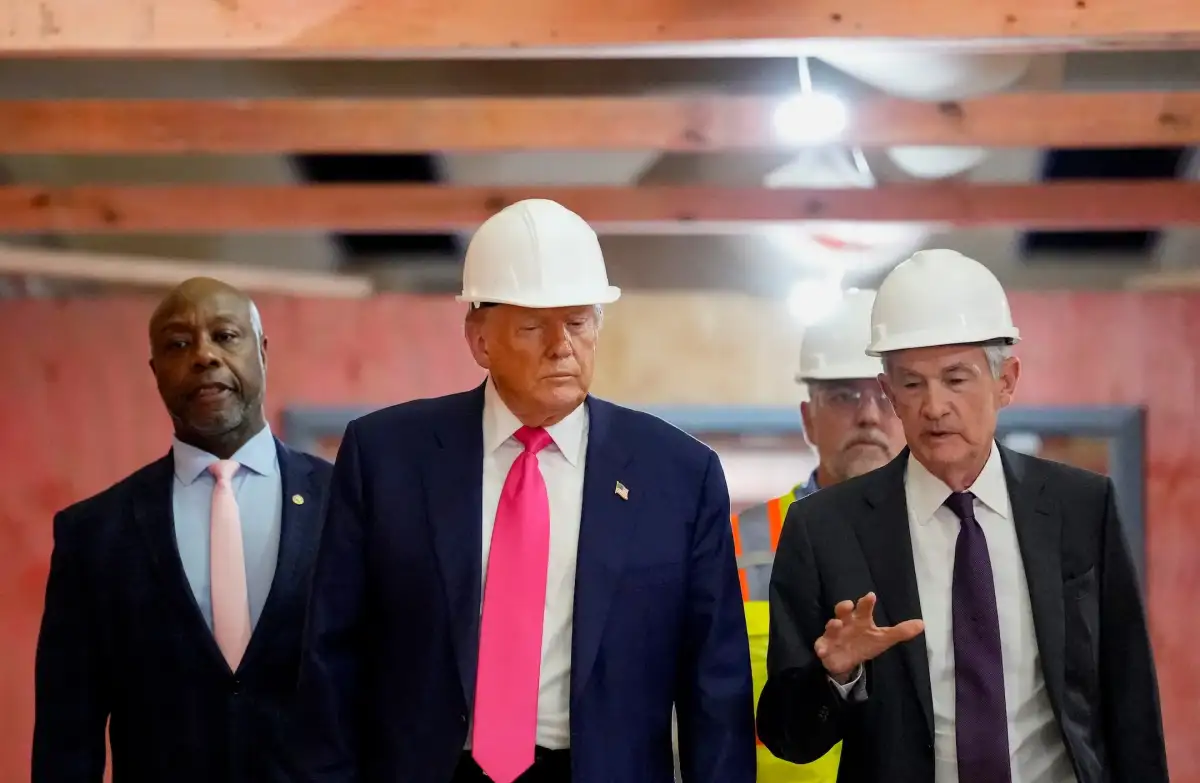
The recent uptick in this dynamic follows a meeting between Trump and Powell on Thursday, May 29, 2025. This was not an isolated event; the two had met on prior occasions during Trump's first term, but this encounter, occurring after his return to the White House in January 2025, marked a significant escalation. Trump had previously voiced his critiques of the Fed's pace via social media, accusing them of moving too slowly.
Read More: Goldman Sachs predicts 15 million US jobs lost to AI by 2036
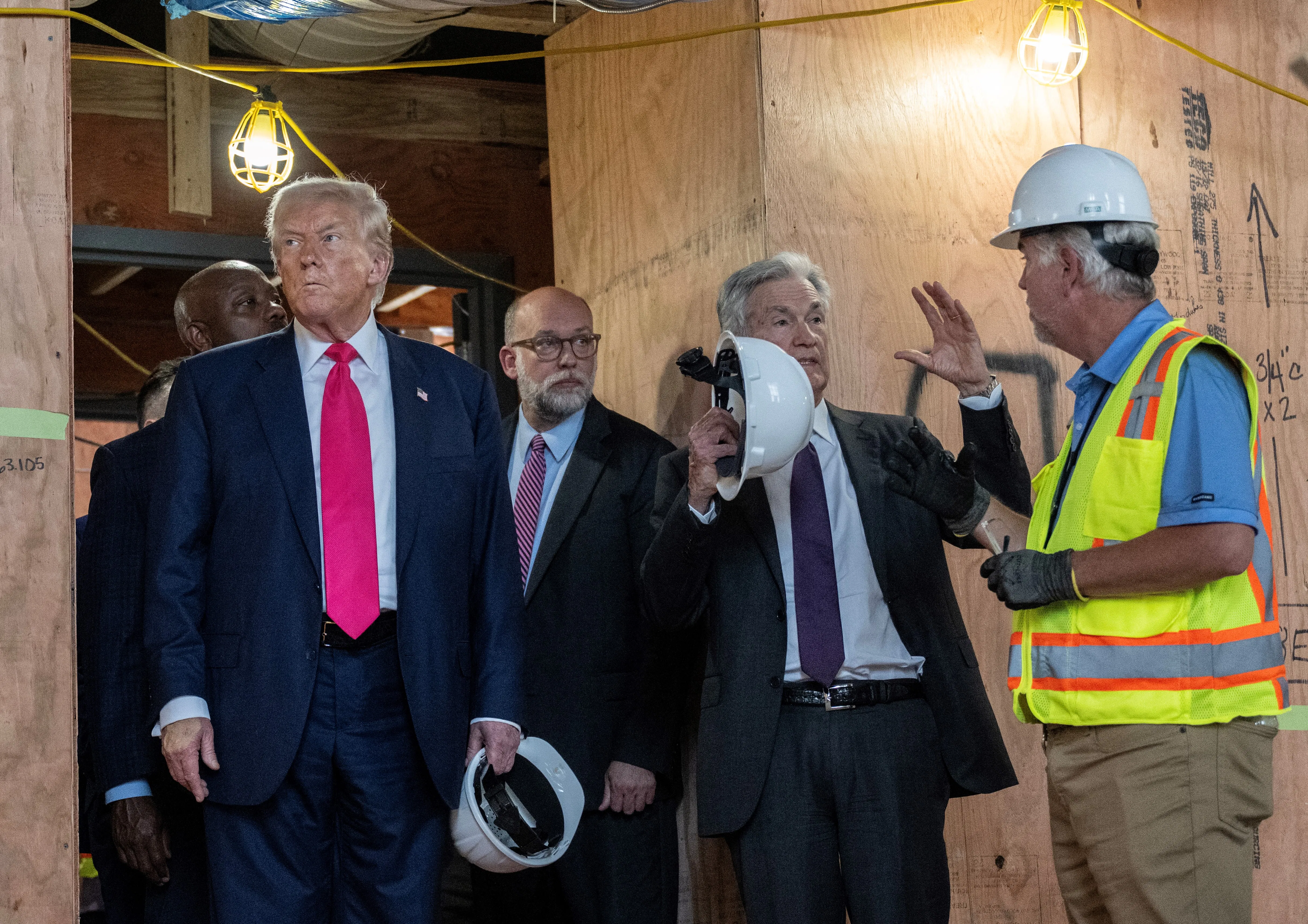
During a subsequent visit to the Federal Reserve headquarters on Thursday, July 24, 2025, Trump again emphasized his desire for lower rates. The Federal Reserve, in a statement following the May meeting, confirmed that Powell had defended the central bank's independence, stating that "the path of policy will depend entirely on incoming economic information and what that means for the outlook."

While presidents have historically engaged with the Fed on economic matters, experts note that Trump's methods are considered unprecedented in their directness and public nature.
The discourse surrounding interest rates appears to have continued into April 2026, with President Trump discussing economic policies, including Fed rates, alongside international relations and technological developments. His recent comments in April 2026 also touched upon Iran negotiations and potential military strategies, as well as exploring financial aid and currency swap arrangements with the United Arab Emirates. He also acknowledged the development trajectory of 'Anthropic', indicating a willingness to consider agreements that would allow the company to resume contracts with the Department of Defense.
Read More: New ways to measure AI's impact on jobs and economy