Washington — In a convoluted geopolitical maneuver, the United States appears to be leveraging Pakistan as a conduit for discussions aimed at de-escalating the ongoing conflict with Iran. The specifics remain opaque, with officials offering little beyond assurances of engagement through a mutually acceptable third party.
The reliance on Pakistan as an intermediary highlights the delicate and fractured diplomatic landscape surrounding the Iran war, where direct channels appear to have reached an impasse. This strategic choice signals a tacit acknowledgment of Pakistan's regional influence, even as its own internal stability and capacity for such a high-stakes mediation are subject to considerable scrutiny.
Reports suggest the current administration is weighing various diplomatic and potentially kinetic responses to the protracted Iranian confrontation. However, the public discourse is heavily shadowed by domestic concerns, from the economic anxieties of high gas prices and cost of living, which have reportedly sent consumer sentiment to an all-time low, to ongoing legal and political dramas.
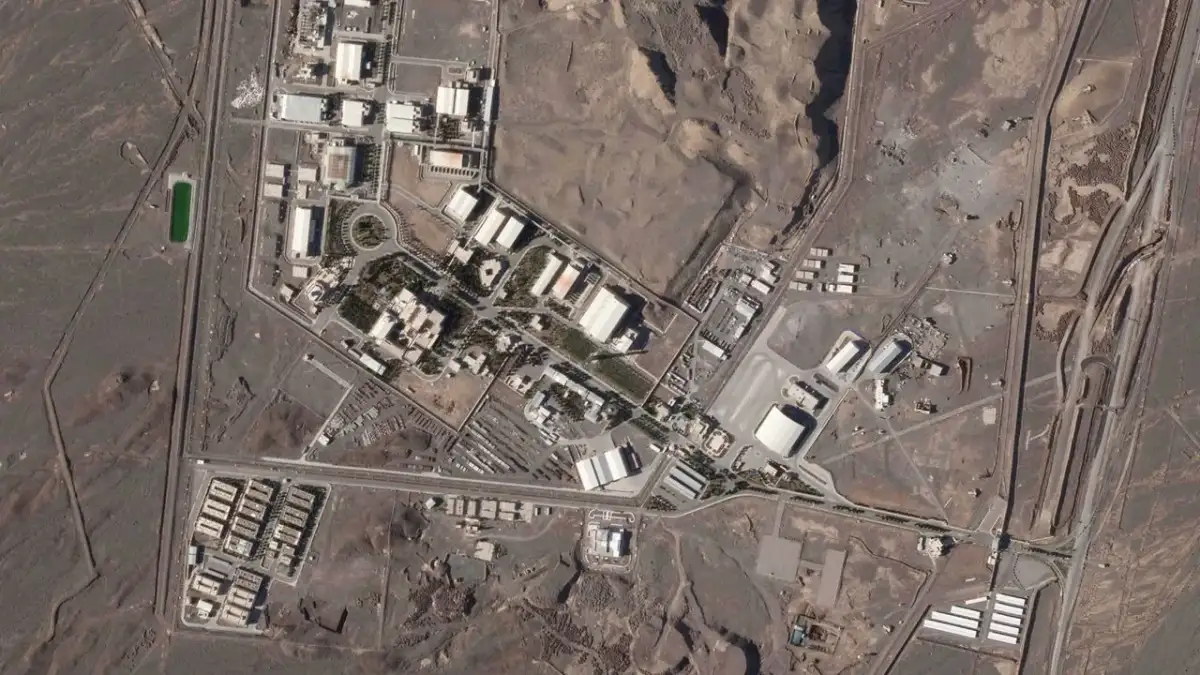
Read More: Iran Zagros Mountain Nuclear Site Construction Update April 2026

The broader context of this diplomatic push is punctuated by a series of significant, albeit often disparate, events shaping the American present. This includes judicial decisions dismissing charges against former school officials, gubernatorial actions on death row inmates, and the lingering psychological toll of past attacks. Furthermore, policy shifts concerning immigration and the internal machinations of the national security apparatus continue to occupy headlines.
A World Apart: Domestic Strife Amidst International Tensions
While the nation grapples with its role in a global conflict, domestic affairs continue to demand attention. These range from legal challenges against discriminatory housing practices in Arkansas to the intricacies of capital punishment and the ongoing fallout from a museum attack. The current political climate is further characterized by intense scrutiny of federal actions, including a recent indictment against former Cuban President Raúl Castro, which has prompted strong reactions from Cuba's president.
Read More: Pakistan Envoy Starts Iran Conflict Talks in Washington Today
The economic undercurrents are equally forceful, with debates swirling around the Federal Reserve's leadership and the persistent impact of inflation on everyday Americans. Even cultural milestones, like the record-setting finale of Stephen Colbert's 'Late Show', offer a glimpse into a society navigating a complex blend of entertainment and unease.
The United States, a nation of considerable geographical and demographic breadth—with an estimated 2026 population of over 340 million—finds itself navigating a treacherous path. Its foundational structure as a federal republic with a bicameral legislature underpins its political operations, while its economic output, measured in trillions of dollars, underscores its global significance. Yet, these vast metrics stand in stark contrast to the granular anxieties of its citizens and the intricate, often obscure, diplomatic dances it undertakes on the international stage. The reliance on intermediaries like Pakistan, therefore, is not merely a tactical decision but a symptom of a wider diplomatic and perhaps existential recalibration.
Read More: 40 Die in Quetta to Peshawar Bus Crash in Balochistan on April 3 2026