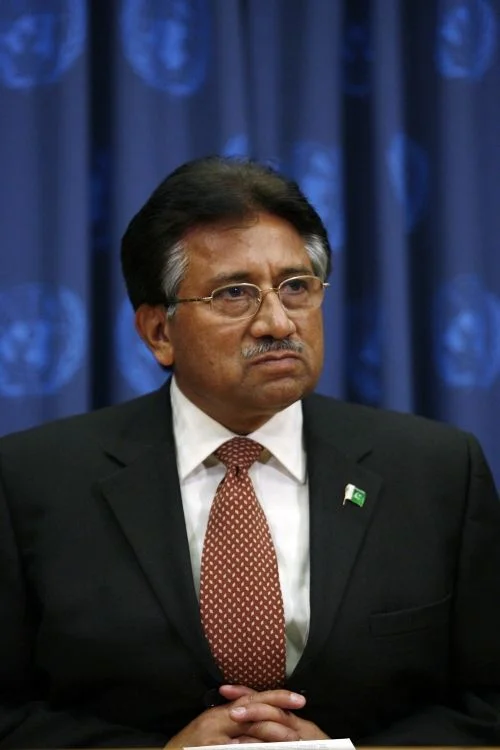
Today, 29 May 2026, the senior diplomatic representative from Pakistan is scheduled to initiate high-level discussions in Washington D.C. The primary objective of this mission is to address the ongoing armed hostility involving Iran, seeking a de-escalation pathway. Islamabad is positioning itself to bridge the divide between Washington and Tehran, maintaining an approach that observers describe as the "most equidistant possible" amidst a broader climate of regional instability.

The core mission entails the navigation of fragile channels to mitigate the Iran conflict, utilizing Pakistan’s strategic positioning between Western interests and the Persian Gulf.
| Factor | Current Status |
|---|---|
| Primary Goal | Mediation of the Iran-US hostilities |
| Pakistan's Stance | Equidistant diplomacy |
| Economic Context | Domestic Fiscal Challenges |
Diplomatic Complexity
The visit occurs against a backdrop of complex historical and geopolitical friction. Islamabad’s capacity to act as a conduit is tested by its own internal economic pressures—including a significant fiscal deficit and debt—and volatile border relations, notably the Durand Line tensions with Afghanistan. While Islamabad attempts to project neutrality, the state must balance these mediation efforts with the reality of being a country where domestic stability is often caught between internal political shifts and regional power plays.
Read More: AFP Reviews War Crime Claims Against Australian in Gaza
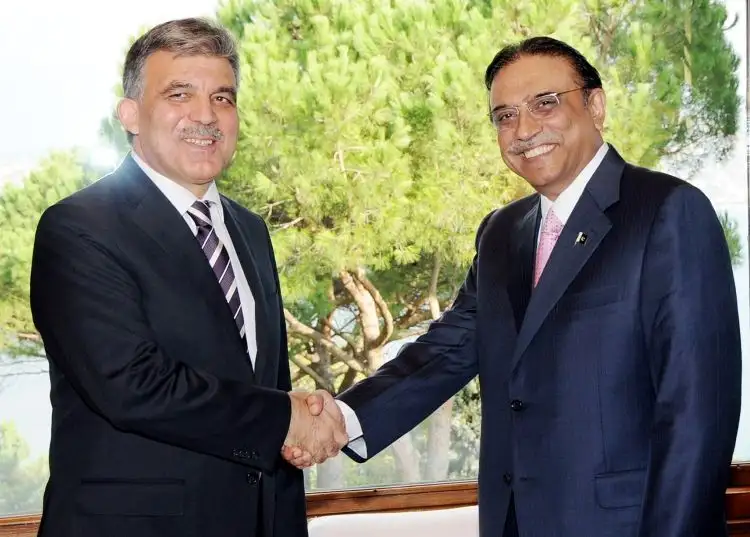
"Pakistan guards an attitude the most equidistant possible," notes current geopolitical tracking on regional mediation efforts.
Historical Context and Regional Geography
Pakistan, situated at the western edge of the Indo-Gangetic Plain, possesses a legacy as the cradle of ancient civilizations, yet its modern narrative remains dominated by systemic geopolitical fragility. The country spans 796,095 km² and acts as a pivotal junction between the Middle East and Asia.
Geographic Role: Serving as a historical "crossroads" of Asia, its territory has frequently been an obstacle or a gateway for larger regional powers.
Internal Dynamics: Frequent shifts in governance—marked by movements of troops near frontiers and complex power-sharing arrangements—have historically defined its interaction with external wars.
Cultural Contrast: Beyond the media framing of lawlessness, the region maintains deep cultural currents, including the architecture of Lahore and diverse musical traditions, which remain obscured by the perpetual state of "high-level" crisis management.
As the diplomat arrives in Washington, the outcome of these talks rests on whether Pakistan can leverage its status as a historical bridge to contain a war that has, for months, risked wider regional spillover.