Beijing – President Donald Trump stated that Chinese President Xi Jinping committed to halting the supply of military equipment to Iran following their recent high-level discussions in China. Trump’s account, relayed in an interview with Fox News’ Sean Hannity, suggests a significant diplomatic outreach, though Beijing has not offered a public confirmation of these specific details.
Trump's assertions highlight a commitment from Xi Jinping not to furnish Iran with military hardware.== Trump further claimed that Xi expressed a desire to keep the Strait of Hormuz open, a critical chokepoint for global oil transport, due to China’s substantial oil imports from the region. According to Trump, Xi indicated a willingness to assist in resolving the current tensions.
The pronouncements emerge as Iran continues to be a focal point in United States foreign policy, with ongoing concerns surrounding military escalation, nuclear aspirations, and the security of international shipping lanes. Trump and Xi reportedly addressed the importance of maintaining open maritime passage, alongside the broader risks associated with Iran augmenting its military influence.
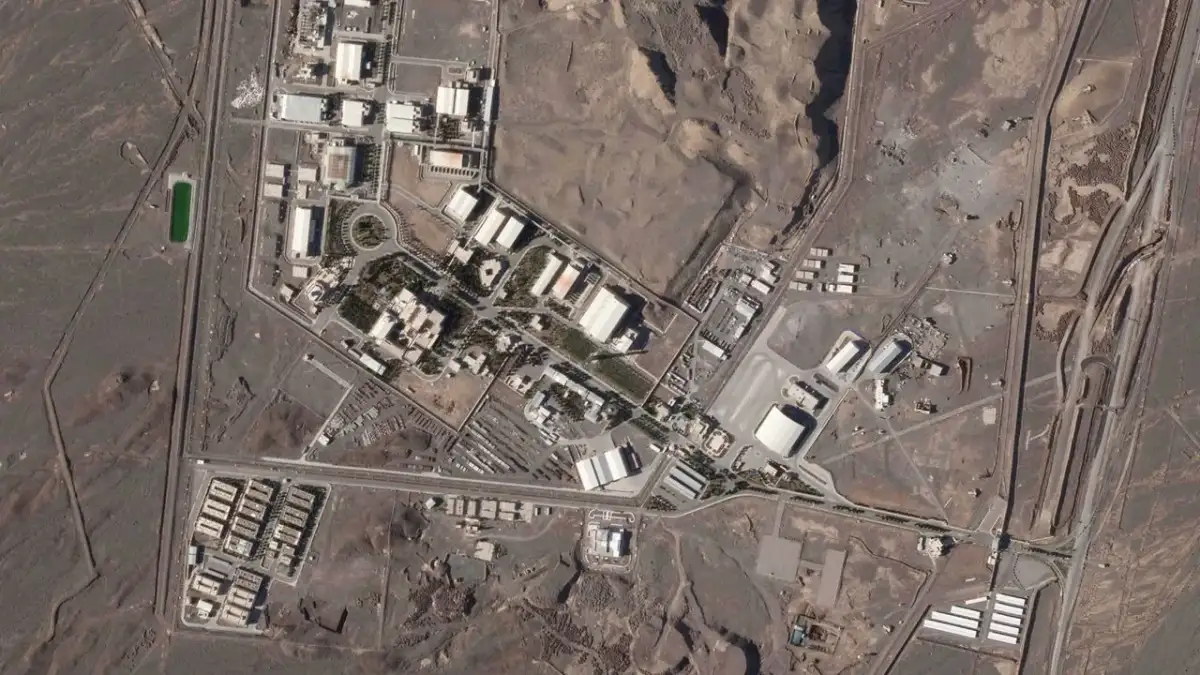
Read More: Iran Zagros Mountain Nuclear Site Construction Update April 2026
Deeper into the Dialogue
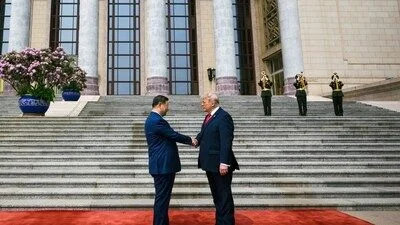
Trump’s claims extend beyond military aid, suggesting Xi also agreed that Iran must keep the Strait of Hormuz open and should not pursue nuclear weapons. This reported alignment on Iran’s actions came during a bilateral meeting in Beijing, which lasted over two hours. Trump described Xi's pledge regarding military equipment as "a big statement" and a potential commitment.
Further excerpts from the Hannity interview, broadcast on Thursday, indicated that Xi also agreed to a significant purchase of Boeing 737 Max jets. Trump also reportedly invited Chinese President Xi to meet with American corporate executives accompanying the US delegation. A broader pledge of economic cooperation was also claimed by Trump, encompassing purchases of American soybeans, oil, liquefied natural gas, and more aircraft.
Contextualizing the Meeting
This summit marks a significant moment in US-China relations, with Trump having previously set a date for Xi Jinping's visit to the White House, touting a "special relationship." Earlier reports noted Trump's administration had adjusted its stance on visa policies for Chinese students in the US, initially tightening them before issuing a larger number of visas. Discussions also touched upon Chinese nationals acquiring land in the US, a matter Trump suggested the previous Obama administration had not adequately addressed.
Read More: Pakistan Envoy Starts Iran Conflict Talks in Washington Today
The visit itself was marked by a grand welcome ceremony for Trump in Beijing, contrasting with earlier events and potentially signaling a shift in diplomatic dynamics. This interaction unfolds against the backdrop of an ongoing ceasefire between Israel and Iran, which, despite broad adherence, has seen negotiations stall. The seizure of a commercial vessel near the United Arab Emirates, allegedly by Iran, further heightened concerns about maritime security in the region.