FIFA Secretary-General Mattias Grafstrom met with Iran Football Federation (FFIRI) President Mehdi Taj in Istanbul this past Saturday to resolve mounting uncertainty regarding Iran’s presence at the upcoming World Cup. Despite the ongoing military hostility between Iran and the United States—which entered its third month in late February—both parties characterized the discussions as "constructive."
Key takeaways from the administrative impasse:
Participation Uncertainty: Iran’s status remains the primary focus of speculation following the geopolitical conflict that began in late February.
Logistical Denials: FIFA President Gianni Infantino has formally rejected an Iranian request to relocate their group stage matches to Mexico.
Operational Silence: While Grafstrom confirmed discussions took place, he declined to provide specifics regarding visa guarantees or entry arrangements for Iranian personnel.
FFIRI Response: Mehdi Taj claims that FIFA has provided "solutions" for ten specific concerns raised by the Iranian delegation, though the nature of these concessions remains undisclosed.
| Match Schedule (Group G) | Location | Date |
|---|---|---|
| vs. New Zealand | Los Angeles | June 15 |
| vs. Belgium | Los Angeles | TBD |
| vs. Egypt | Seattle | June 26 |
The Friction of Neutrality
The core of the issue resides in the contradiction between FIFA’s statutes of neutrality and the harsh reality of host-nation entry requirements. With Iran scheduled to play all three of its opening group matches on American soil, the Iranian federation previously attempted to circumvent the geopolitical bottleneck by requesting a venue shift to Mexico.

The rejection of this request forces a delicate administrative dance. Grafstrom maintains that FIFA is "working closely" with the Iranian FA, yet the refusal to publicly confirm that the U.S. government has granted the necessary visa assurances suggests a state of high volatility.
Read More: FIFA World Cup 2026 Revenue Reaches $15 Billion With New Ticket Prices
Background: The February Flashpoint
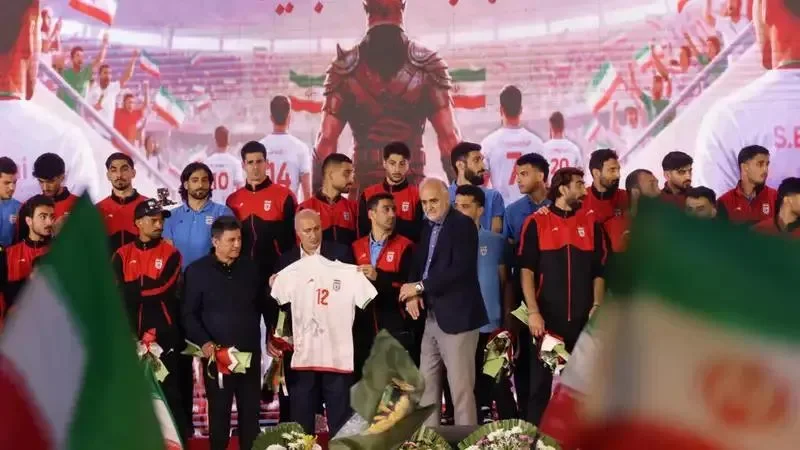
The tension surrounding the 2026 tournament escalated rapidly following the events of late February, when military engagements involving the United States, Israel, and Iran broke out. Since then, the sporting world has become a theater for these broader diplomatic fissures. FIFA now faces the logistical task of upholding a tournament schedule designed before these hostilities, while the FFIRI navigates a landscape where its national team’s mobility is tied to the volatile state of international relations. The tournament is slated to commence on June 11, leaving little room for further operational pivots.