Donald Trump has suspended a planned military assault on Iran, originally slated for Tuesday, citing “serious negotiations” and pressure from regional allies. The White House maintains that the military option remains fully operational, with the President explicitly instructing the U.S. military to remain prepared for a “large scale assault” should current diplomatic channels collapse.

The core of the standoff involves a new 14-point peace proposal submitted by Tehran via Pakistani mediators, seeking an end to the 81-day conflict in exchange for sanctions relief and asset unfreezing. Washington, however, continues to prioritize strict limitations on Iran’s nuclear program, control of the Strait of Hormuz, and the dismantling of regional proxy networks as non-negotiable conditions for a lasting agreement.
Diplomatic Fragility and Military Readiness
The landscape of the conflict remains volatile despite the tactical pause:
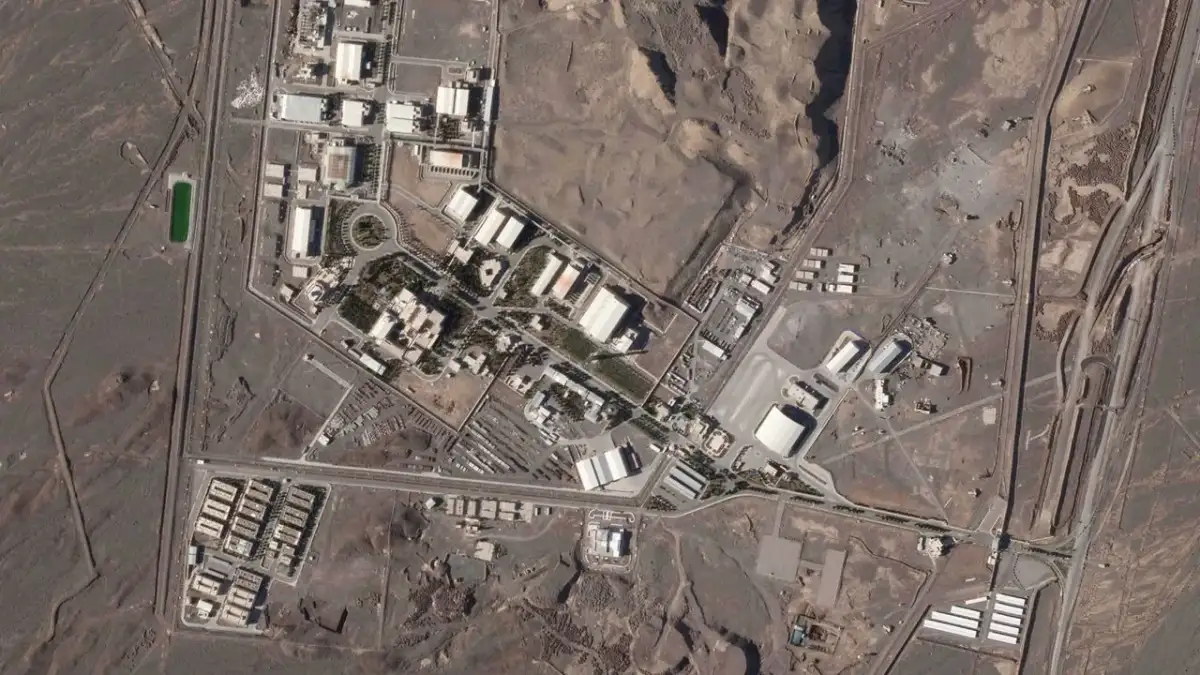
Read More: Iran Zagros Mountain Nuclear Site Construction Update April 2026

| Status | Details |
|---|---|
| Negotiation Trigger | Tehran’s 14-point plan delivered via Pakistan |
| Key Demands | Iran: Sanctions/assets relief |
| Gulf Stance | Allies (Qatar, Saudi Arabia, UAE) urge diplomatic de-escalation |
| Military Stance | U.S. forces remain in a high state of readiness for immediate strike |
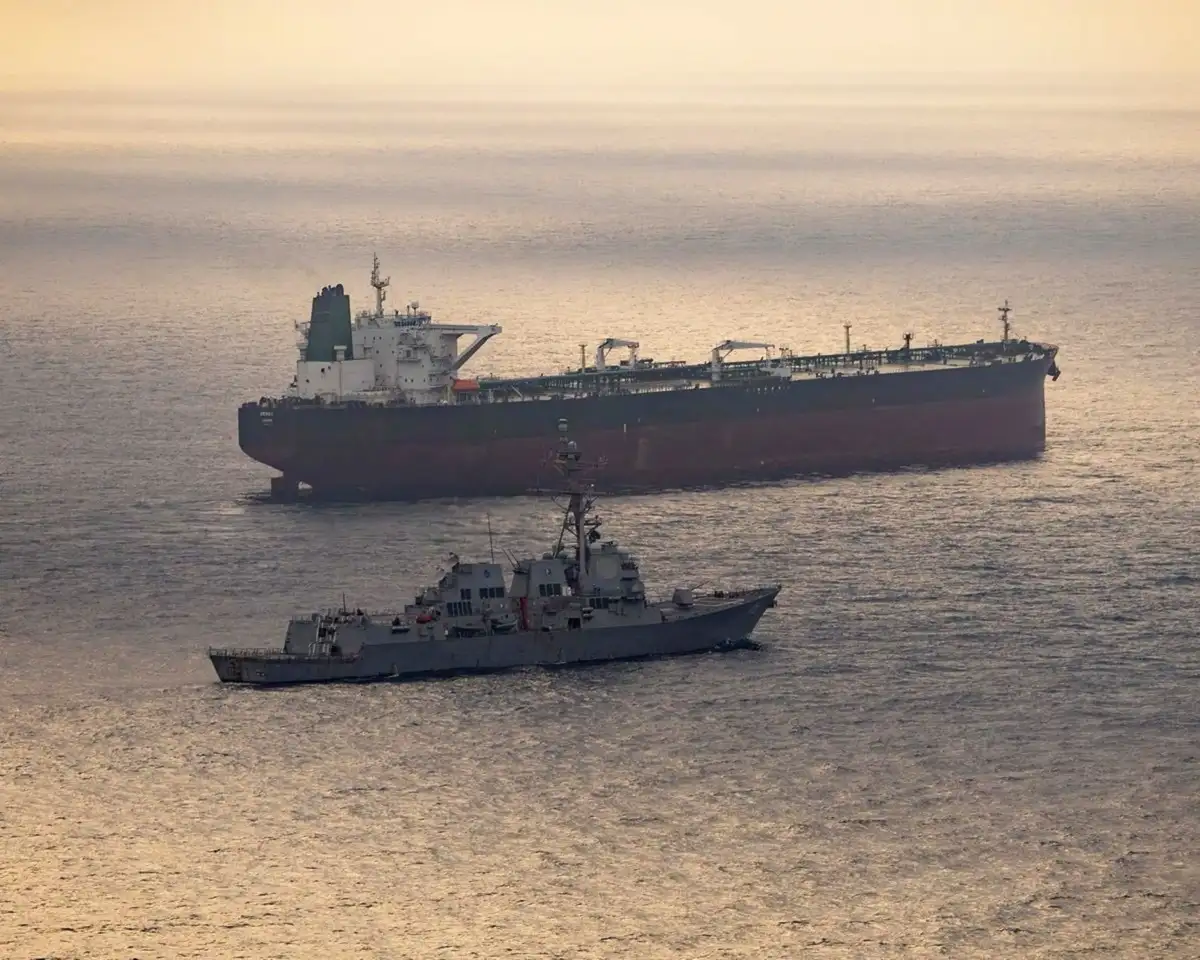
The U.S. military retains presence in the Strait of Hormuz, a primary friction point where drone strikes and naval skirmishes have occurred regularly throughout the 81-day conflict.
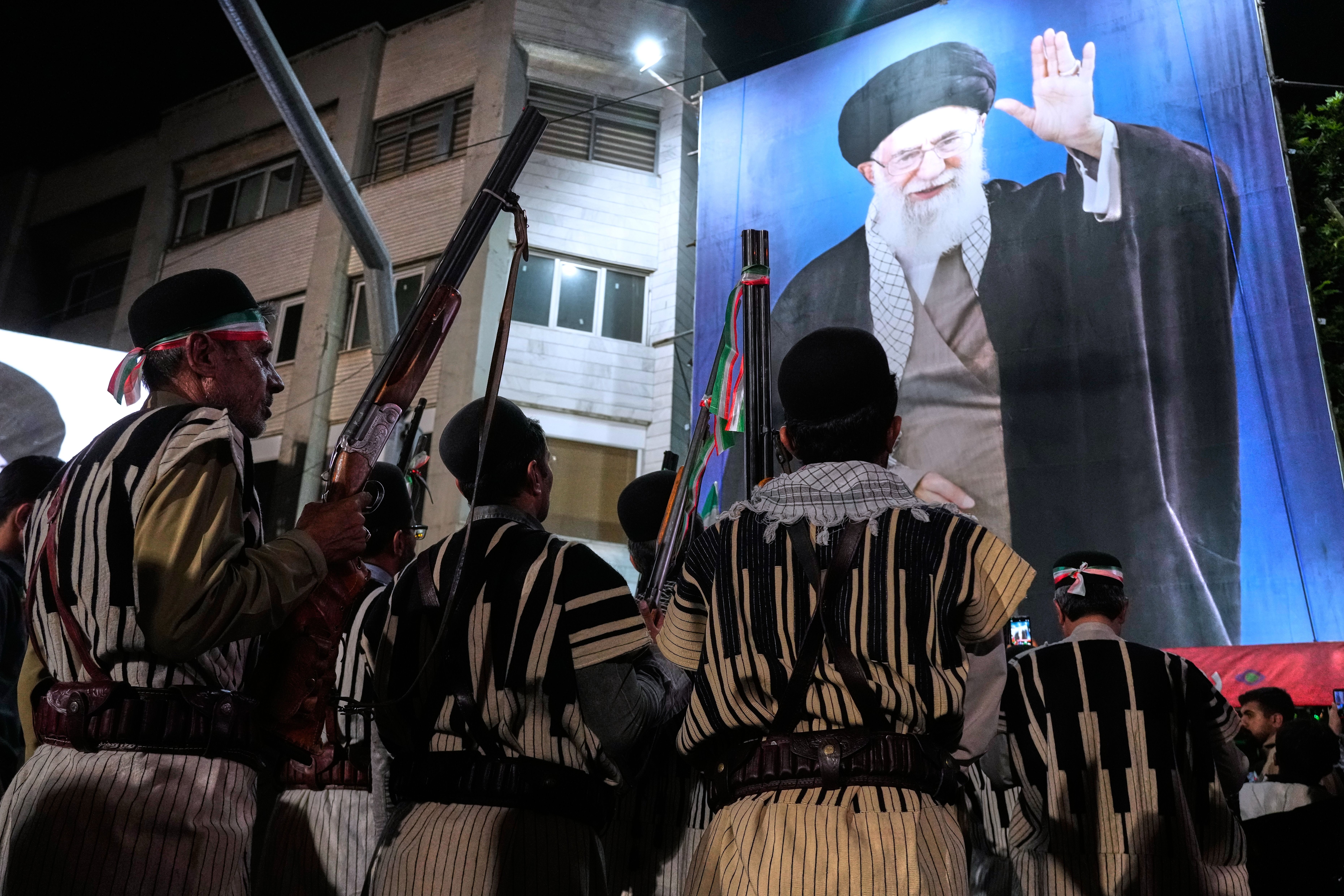
While the White House frames the delay as an opportunity for peace, officials in Tehran, including members of the Expediency Discernment Council, continue to project defiance, signaling that they will not capitulate under the pressure of fluctuating deadlines.
Hostilities persist outside the negotiation room: The Ministry of Public Health in Lebanon reports over 3,000 deaths since March 2, and ongoing cross-border skirmishes—including drone attacks on Israeli troops—complicate the prospects for a comprehensive regional ceasefire.
Contextualizing the Current Impasse
The present situation reflects a recurring pattern in the U.S.-Iran conflict since the onset of open hostilities in late February. The President has previously announced similar delays to military action, only to follow with “love tap” strikes when diplomatic targets were not met with immediate compliance.
Recent kinetic developments include reports of damage to a nuclear power plant in the United Arab Emirates and the interception of multiple drones over Saudi Arabia, heightening the urgency for Gulf leaders to secure a stable resolution. The strategic ambiguity of this “hold” period highlights a fundamental disconnect: the U.S. administration views these talks as a path to force Iranian submission on nuclear and regional policies, while Tehran treats the proposals as a vehicle for economic stabilization and state survival. As of today, 19 May 2026, the absence of an “acceptable deal” leaves the threat of a large-scale military escalation as a persistent, hovering reality.
Read More: Gulf Oil Exports Rise in June but Still Below Pre-War Levels