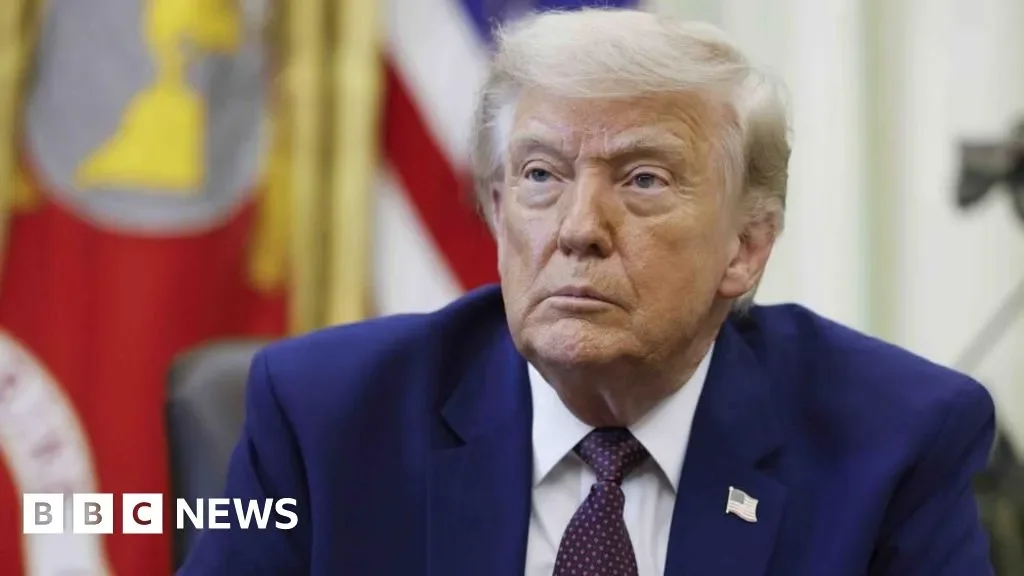
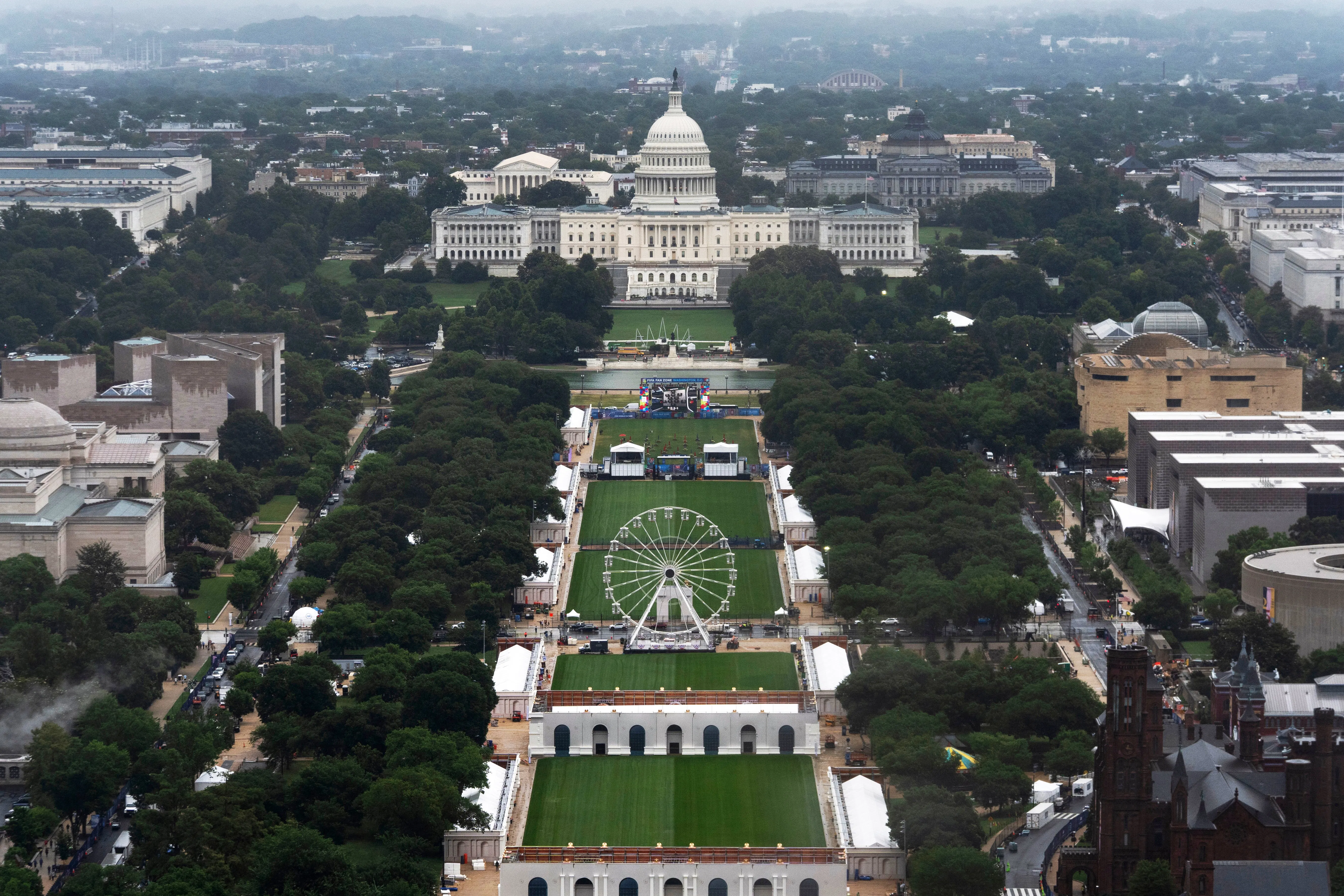
Nearly 50 Donald Trump nominees, spanning key roles in energy, land management, U.S. attorneys, marshals, and ambassadorships, have been confirmed by Senate Republicans. This latest batch of 49 individuals signifies a deliberate push by the Republican-controlled Senate to finalize appointments, often sidestepping extensive floor debates.
The confirmations, covering approximately 20 distinct positions, included a dozen U.S. attorneys, several U.S. marshals, ambassadors, and various agency roles across departments such as War, Transportation, and Energy.

Procedural Shifts Facilitate Confirmations
A notable aspect of these confirmations is the frequent use of summary confirmations, where civilian nominees were processed without requiring a full Senate vote. This method has become more prevalent after Senate Republicans enacted rule changes. These changes effectively lowered the threshold for confirmation from a supermajority to a simple majority vote, a move that followed earlier Democratic obstruction of many nominees.
Read More: Taiwan Holds Nantou County Drills to Prepare for State Collapse
This maneuver allows Republicans to advance more of Trump's agenda, even in the face of Democratic opposition. The party appears keen on clearing these appointments and securing funding initiatives, particularly for border security, before upcoming legislative breaks.
Historical Context and Opposition
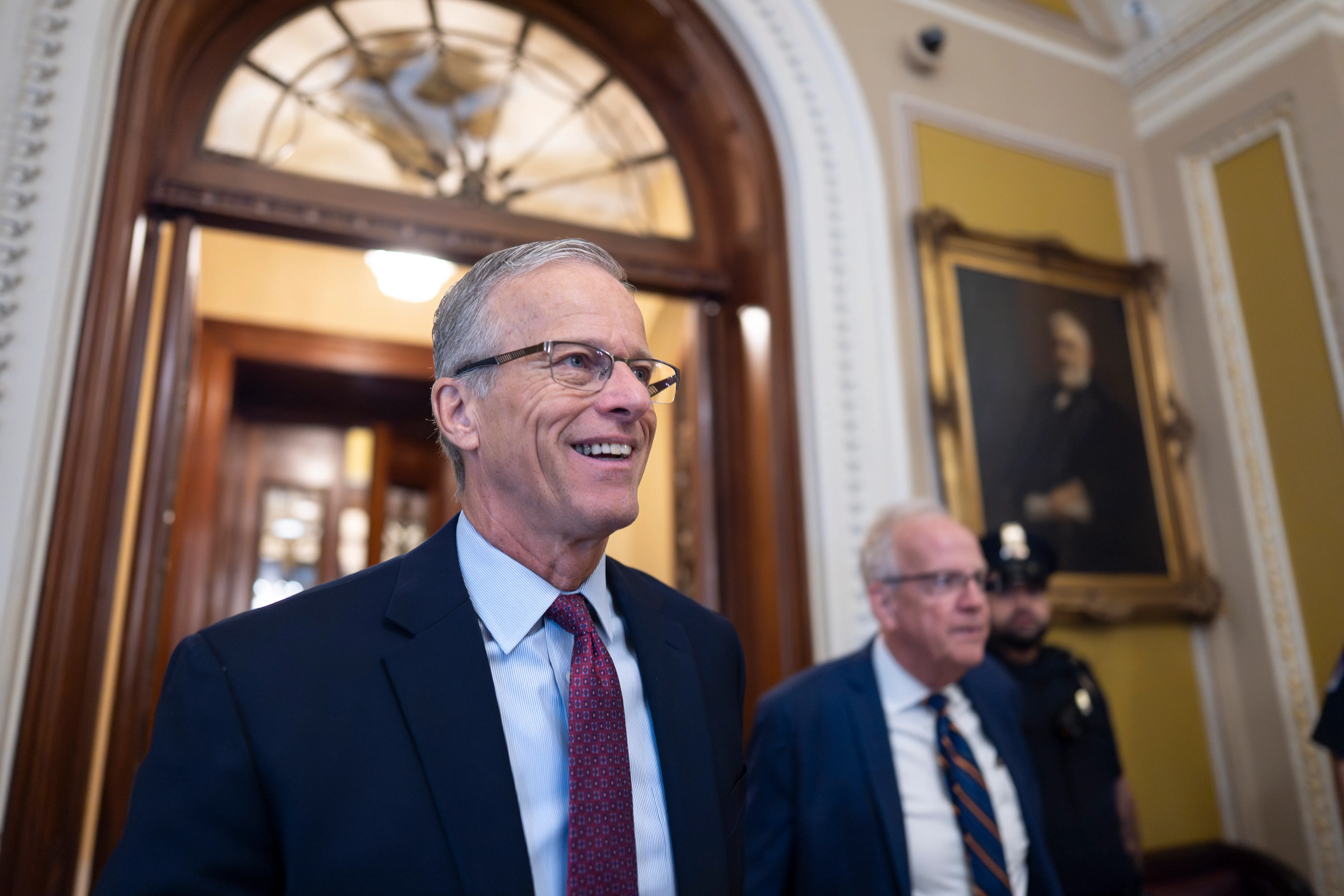
Senate Republicans have cited "unprecedented obstruction" by Democrats as justification for their accelerated confirmation pace. In the past year alone, they confirmed over 400 of Trump's nominees. This latest slate marks the fourth time a group of nominees has been confirmed in a batch since the Senate rules were altered.
Democrats, however, have voiced strong objections, characterizing Trump's nominees as "historically bad" and suggesting that Republicans would eventually "come to regret" their actions. This situation echoes past procedural battles, such as when Democrats changed Senate rules in 2013 to remove the 60-vote threshold for executive and lower court nominees, a move then opposed by Republicans blocking President Barack Obama's picks.
Read More: Trump Directive May Cut 8,000 Federal Jobs After House Vote
The process highlights a recurring tension in the Senate over confirmation procedures and the partisan dynamics influencing the appointment of officials across federal agencies.