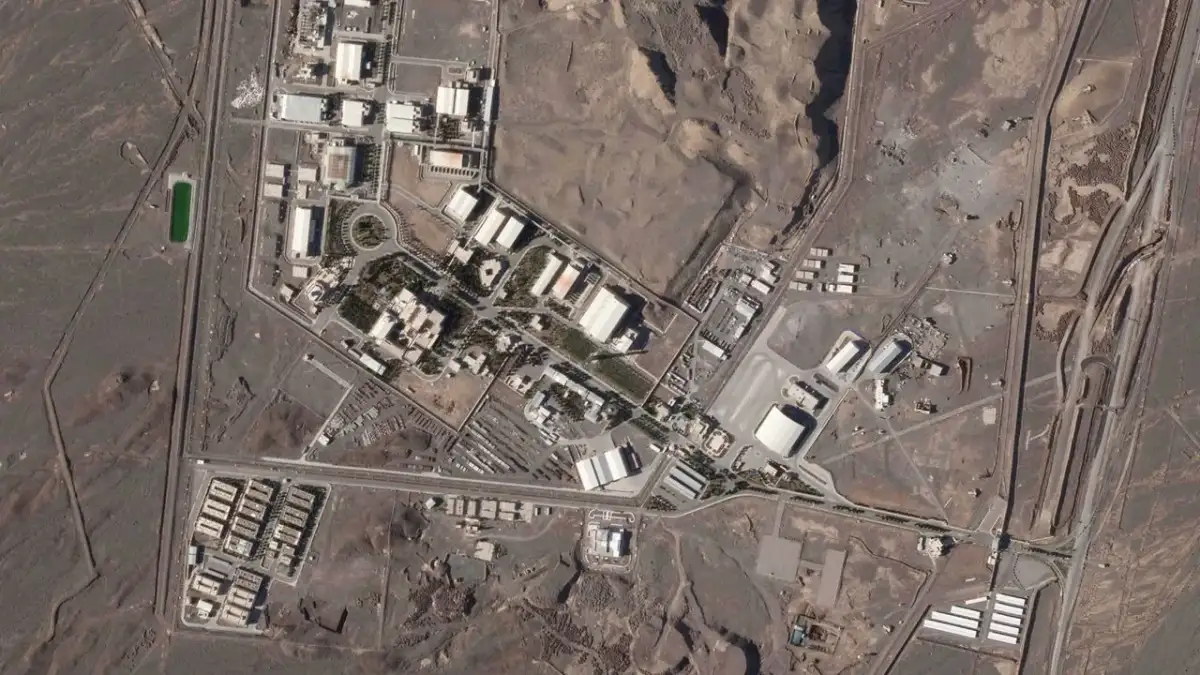
The United States has reportedly agreed to a temporary waiver of sanctions on Iran's oil sector. This development, cited by Iranian state media outlet Tasnim News Agency and other reports, coincides with ongoing diplomatic efforts mediated by Pakistan to resolve the conflict in West Asia. The precise terms and duration of this potential waiver remain a subject of speculation, with Iranian officials yet to officially confirm the US agreement. Tehran has presented a new 14-point peace proposal, which has been conveyed to the US through Pakistan, marking a significant diplomatic maneuver in the protracted conflict.

Recent reports, emerging approximately one day prior to this publication, indicate a potential shift in US policy towards Iran's oil exports. Iranian sources, including a source close to the Iranian negotiating team cited by Tasnim News Agency, suggest Washington has accepted provisions allowing for the suspension of oil-related sanctions during the negotiation period. This is framed as a departure from earlier US proposals, which reportedly did not include such concessions.
Read More: Iran Zagros Mountain Nuclear Site Construction Update April 2026
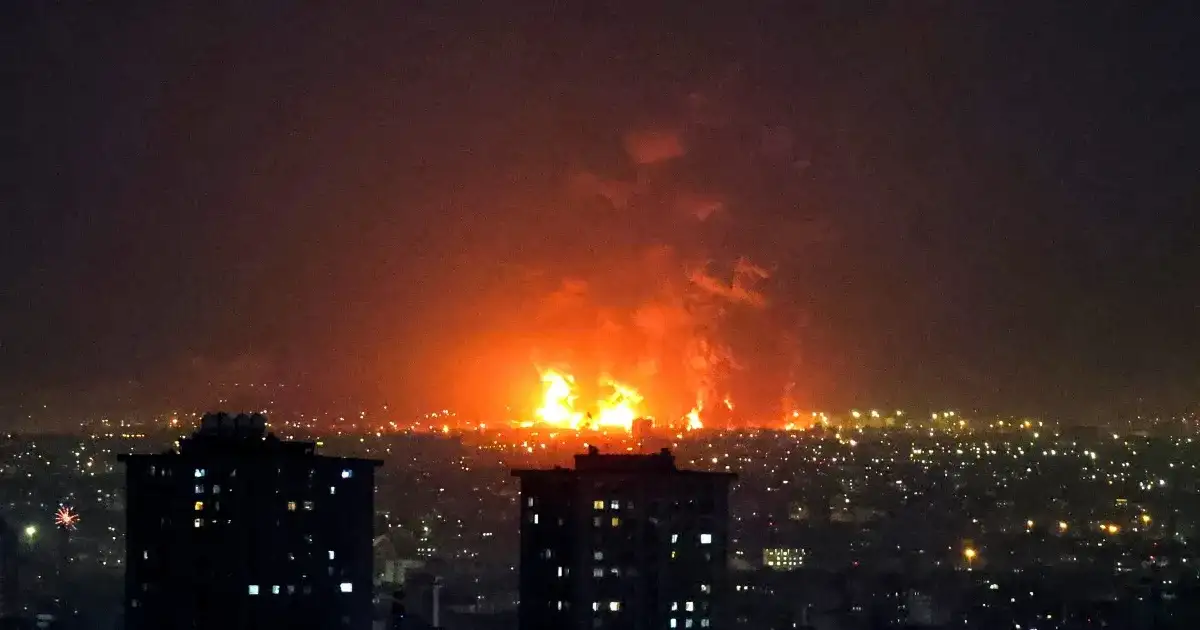
Meanwhile, a separate narrative paints a different picture of US actions regarding Iranian oil. In late March 2026, the US Treasury Secretary Scott Bessent announced measures to lift sanctions on Iranian oil at sea, explicitly stating the intention to compensate for oil shortages and prevent Tehran from profiting from increased prices. This move, detailed in reports from March 20-22, 2026, was presented as a strategy to cool surging energy prices and relieve pressure on global energy supply, potentially bringing around 140 million barrels of oil to market. This action was described as a bid to contain the economic shockwaves of the US military campaign in Iran and was noted as the third such temporary waiver on oil from US adversaries within a short span.
The context for these reported US actions is a complex geopolitical landscape. US President Donald Trump had previously described the ceasefire with Iran as being on "life support," indicating significant rifts on several issues. Simultaneously, reports from mid-May 2026 suggest the Trump administration was contemplating contingency plans, including renewed air strikes, should diplomatic efforts fail. This juxtaposes with the reported sanctions waiver, suggesting a multi-pronged and possibly contradictory approach.
Read More: Gulf Oil Exports Rise in June but Still Below Pre-War Levels
Experts, in discussions around the March 2026 sanctions easing, raised concerns about the potential benefit to Iran's war effort and highlighted what some described as a lack of strategic planning. The decision to ease sanctions was linked to the underestimation of Iran's resistance capabilities and the ensuing global economic repercussions. The waivers are intended to inject oil into global markets, with the expectation that China, a primary buyer of Iranian oil, would benefit. The efficacy of these measures in significantly impacting wider economic pressures or directly influencing prices has been questioned by analysts.
The history of US-Iran relations is marked by punitive tariffs and asset freezes. Since the war began on February 28, 2026, Iran has continued to export oil, predominantly to China, despite existing sanctions. Prior to the more recent reported waiver, Iran had vowed that no oil would be exported, indicating a period of severe strain. The current diplomatic overtures, with Pakistan acting as a mediator, suggest a complex interplay between military pressures, economic strategies, and peace negotiations.
Read More: 40 Die in Quetta to Peshawar Bus Crash in Balochistan on April 3 2026