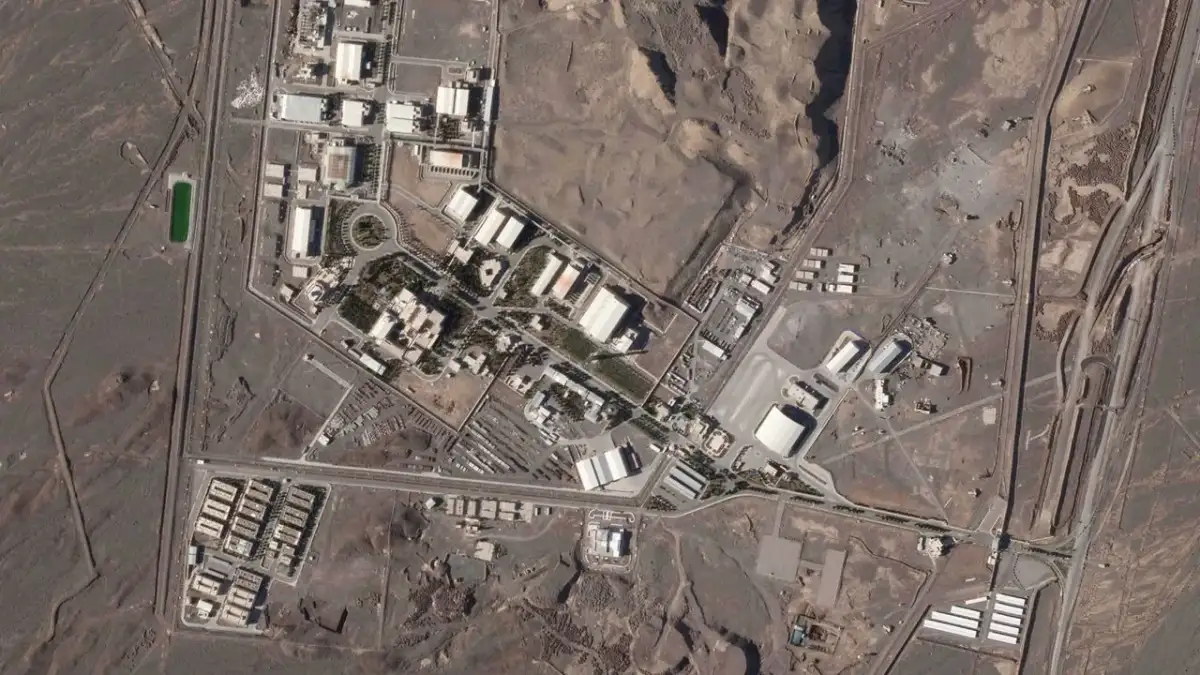
Iranian state-affiliated media reported on May 18th, 2026, that Tehran has presented a 14-point ceasefire proposal to the United States through Pakistani intermediaries. The specifics of this latest proposal, particularly how it diverges from earlier, seemingly rejected Iranian offers, remain unclear.
Reports suggest the U.S. has not confirmed receiving any such proposal, nor has it validated claims of a potential U.S. agreement to waive oil sanctions on Iran during negotiations.

President Donald Trump, speaking on May 17th, indicated a stance of engaging in dialogue with "dignity" but offered no concrete indication of unilateral concessions to Iran, especially concerning oil. The unconfirmed rumors surrounding the potential sanctions waiver reportedly caused a minor dip in oil prices early Monday.
Unpacking the Proposals
This latest purported Iranian submission follows a series of exchanges regarding a peace plan. On May 2nd, Iranian media reported the submission of a 14-point response to a U.S. proposal. This itself was a reaction to an earlier U.S. framework, which reportedly included demands for the full reopening of the Strait of Hormuz and the cessation of Iran's nuclear program.
Read More: Iran Zagros Mountain Nuclear Site Construction Update April 2026

Previously, on May 9th, Iranian news agency IRNA stated that Tehran's response to a U.S. proposal had been delivered via Pakistani mediators. This response was reportedly contingent on the U.S. lifting sanctions, ending port blockades, withdrawing forces, and ceasing hostilities, including Israeli actions in Lebanon. A 30-day phase was also mentioned, aimed at transitioning a ceasefire into a full cessation of hostilities, with nuclear issues slated for negotiation over 30 days.
"Iran has submitted its response to the U.S. de-escalation proposal via Pakistan, outlining a 14-point peace plan amid rising Gulf tensions and warnings of retaliation over attacks on Iranian vessels. Tehran's plan focuses on ending regional conflict negotiations." - ABP Live, May 10th, 2026
Context of Escalation
The backdrop to these reported diplomatic overtures is one of ongoing conflict and heightened tensions. On February 28th, the U.S. and Israel reportedly launched attacks on Iran, prompting Iran to close the Strait of Hormuz. Subsequent Iranian actions included attacks on U.S. naval vessels, commercial shipping, and oil facilities in the UAE. Drone incursions were also reported in the airspace of the UAE and Kuwait, with a drone attack causing a fire on a ship off the coast of Qatar. President Trump had previously stated on May 8th that Iran had one week to respond to Washington's peace proposal.
Read More: Gulf Oil Exports Rise in June but Still Below Pre-War Levels
"Trump was expected to talk to Netanyahu on Sunday. Iran was responding on Sunday to a US memorandum that was itself a response to an earlier Iranian proposal. Iran, which closed the strait after the initial US-Israeli attack on 28 February, responded with attacks on US naval vessels, commercial vessels and oil facilities in the UAE." - The Guardian, May 10th, 2026
Russia’s President Vladimir Putin had reportedly offered to take enriched uranium from Iran as part of a settlement effort. The specifics of Iran's earlier 14-point plan, and how the latest iteration differs, remain undisclosed, though reports suggest a disagreement over the scope and duration of sanctions relief. While Iran appears to advocate for the complete removal of all sanctions as part of any commitment, the U.S. has apparently proposed only a temporary waiver of certain sanctions pending a final agreement.
Read More: 40 Die in Quetta to Peshawar Bus Crash in Balochistan on April 3 2026