Islamabad has relayed a new proposal from Tehran to Washington as of yesterday, May 18, 2026, aimed at halting the current regional conflict. While reports of movement persist, the diplomatic outlook remains volatile as US President Donald Trump previously labeled Iranian responses "unacceptable" and accused the leadership of "playing games."
The core points of contention include Iran's demands for the lifting of the US naval blockade, full release of frozen assets, and the resumption of oil sales, contrasted against US concerns regarding nuclear activity and control of the Strait of Hormuz.
Status of Negotiations and Current Tensions
Despite the transfer of documents via Pakistani channels, the landscape of the conflict is marked by physical escalation:
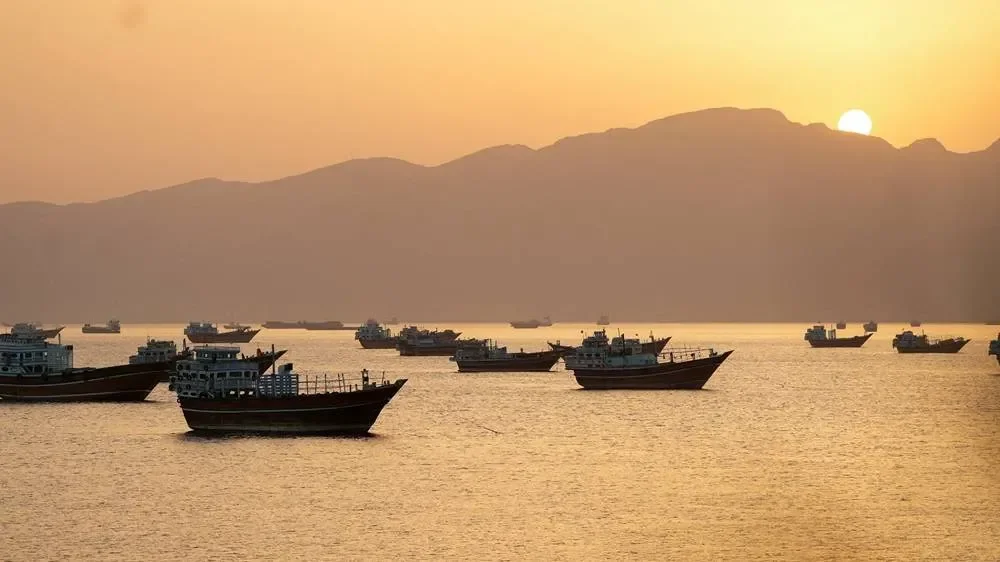
Blockade & Maritime Impact: Iran has effectively shuttered the Strait of Hormuz to foreign shipping, capturing multiple foreign-flagged vessels. This corridor typically handles roughly 20% of global oil and liquefied natural gas.
Negotiation Hurdles: The primary friction points center on Iran's nuclear ambitions, the status of the naval blockade, and the demand for war damage compensation.
Conflicting Narratives:
Tehran sources suggest Washington has shown flexibility regarding limited nuclear activity and the potential release of one-quarter of frozen assets.
Washington officials have publicly denied reports—specifically those citing the Tasnim news agency—regarding a blanket waiver on oil sanctions.
Regional Scope: Tehran is conditioning the ceasefire on a cessation of hostilities on "all fronts," specifically referencing the conflict in Lebanon involving Hezbollah.
| Negotiator / Entity | Primary Role | Reported Stance |
|---|---|---|
| Pakistan | Mediator | Maintains a deal is "within reach." |
| United States | Party | Focuses on pressure tactics; currently rejects proposals as inadequate. |
| Iran | Party | Demands blockade removal and asset restoration. |
Strategic Context and Diplomatic History
The diplomatic backchannel facilitated by Pakistan has become the primary, though often stuttering, conduit for contact between the two nations. Since the onset of hostilities and the April 8 ceasefire, the situation has been defined by an irregular exchange of fire in the Strait of Hormuz rather than a clean cessation of violence.
Read More: AFP Reviews War Crime Claims Against Australian in Gaza
Observers like former ambassador Masood Khan have suggested that the reliance on historical pressure tactics has yielded limited results in steering Iranian policy, yet Washington continues to insist on stringent conditions. As of today, May 19, the conflict persists on multiple fronts, and the viability of the latest revised proposal remains tethered to the opposing strategic imperatives of both capitals.