Immediate Action Demanded To Unblock Vital Supplies
The world is sleepwalking into a global food crisis, with fertiliser supplies needing to move through the Strait of Hormuz within weeks to prevent widespread crop failure and escalating food prices. This urgent warning comes from Yvette Cooper, the UK's Foreign Secretary, who highlights the direct impact of the ongoing conflict in Iran on global agriculture.
The disruption, stemming from Iran's blockade of the Strait of Hormuz, has effectively frozen shipments of essential fertilisers, creating a critical supply crunch. This shortage is already being felt in farming communities across the UK, Europe, and the US, but the most severe repercussions are emerging in developing nations. Farmers in these regions are struggling to afford the significantly increased costs of available fertiliser, directly impacting their ability to produce food.
Aid Cuts Exacerbate Vulnerability
Cooper's stark assessment coincides with a broader trend of declining overseas aid budgets among many developed nations. This reduction in financial assistance, occurring amidst mounting economic pressure and rising debt in developing countries, leaves these nations even more vulnerable to food insecurity. The Foreign Secretary is scheduled to deliver these warnings at the Global Partnerships Conference in London, an event intended to outline a new strategy for development.
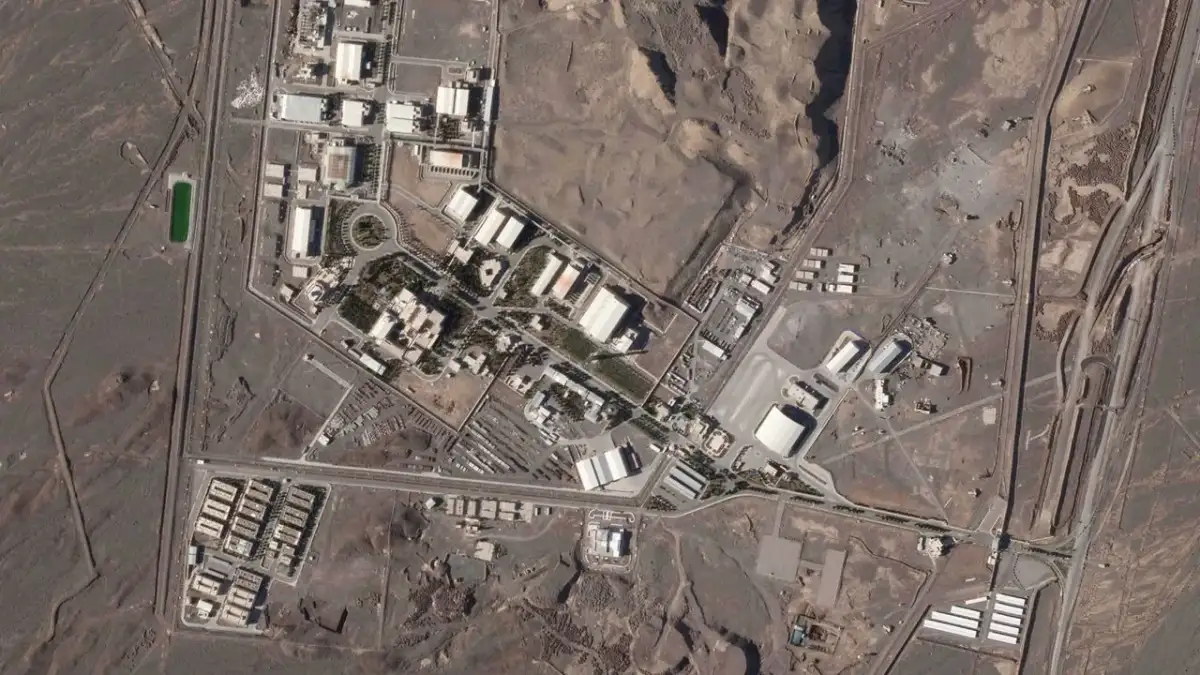
Read More: Iran Zagros Mountain Nuclear Site Construction Update April 2026
The blockade not only impacts fertiliser but has also caused oil prices to surge. However, Cooper's focus remains on the agricultural fallout, emphasizing that fertiliser production facilities, some of which are located near the blocked shipping lane, are now inaccessible. This exacerbates the existing supply crunch and threatens to push food prices even higher.
A Global Interconnectedness Under Strain
The Foreign Secretary is set to underscore that the international system is struggling to keep pace with the rapid shifts in the global landscape. The war in Iran and its cascading effects, such as the fertiliser supply chain disruption, illustrate this point. Cooper views overseas aid not merely as charity but as an investment in the UK's own national interest, arguing that building resilience abroad strengthens the nation. The UK is poised to assume the presidency of the G20, a group comprising major developed and developing economies, placing it in a significant position to address this escalating crisis.
Read More: Why AI Market Growth Is Slowing Down As Of April 2026