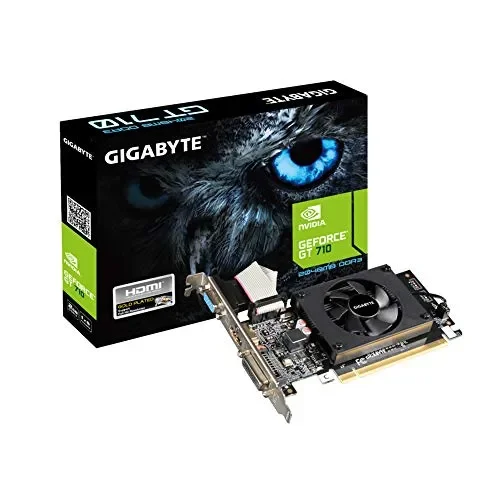
The Intel Arc B580 emerges as a standout performer in the current budget graphics card market, offering a compelling balance of price and capability, particularly for those eyeing 1440p gaming. With 12GB of GDDR6 VRAM at a sub-$300 price point (around $289), it presents an unmatched value proposition, positioning itself as the go-to option for accessible high-resolution gaming and esports titles. This makes it a significant contender for users seeking to enter 1440p gaming without the steep investment typically associated with higher-end hardware.
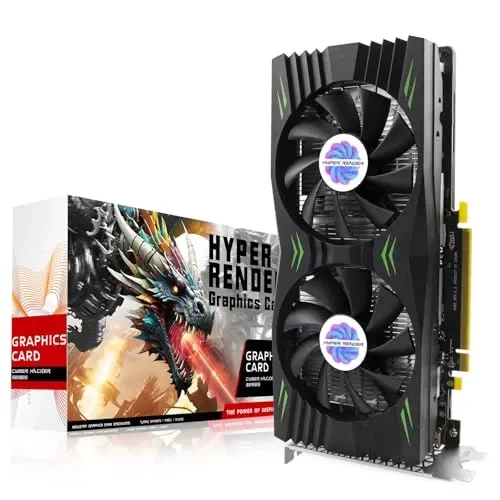
Performance and Feature Set
The Arc B580 demonstrates considerable prowess, handling 1440p gaming with some settings adjustments, according to techtimes.com. Its 12GB VRAM capacity is a crucial factor, especially as modern titles increasingly demand 8GB or more. Furthermore, it supports upscaling technologies like 'FSR' (FidelityFX Super Resolution), which aids in extending its relevance and performance in demanding gaming scenarios.
Read More: US Labs Test Brain-Like Chips for New Supercomputers
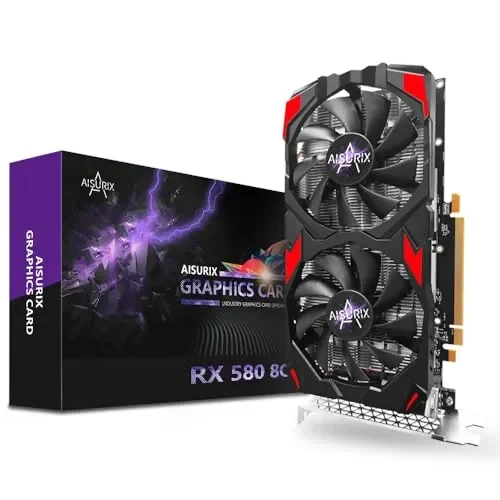
Reports from noobfeed.com highlight the B580 as a "GPU Revolutionizing 1440p Gaming" at the $250 price point. Its performance is described as roughly on par with the 'RTX 4060' in rasterization, though it falls approximately 10% behind in ray tracing performance. Despite this, its robust VRAM at its price tier is a significant draw.
Competitive Landscape and Alternatives
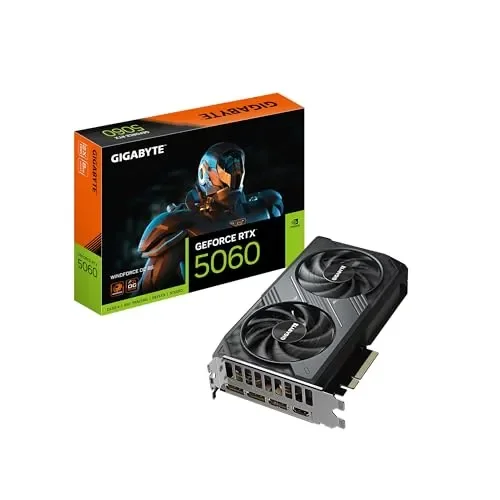
While the B580 shines in its sub-$300 bracket, other GPUs cater to slightly different needs and budgets. The 'RTX 5060 Ti 16GB', priced around $399, is recommended for 1080p ultra settings and high settings at 1440p. For those prioritizing ray tracing and 4K capabilities, the 'RTX 5070 Ti' comes in around $749, offering a more premium experience with advanced features like DLSS 4.5.
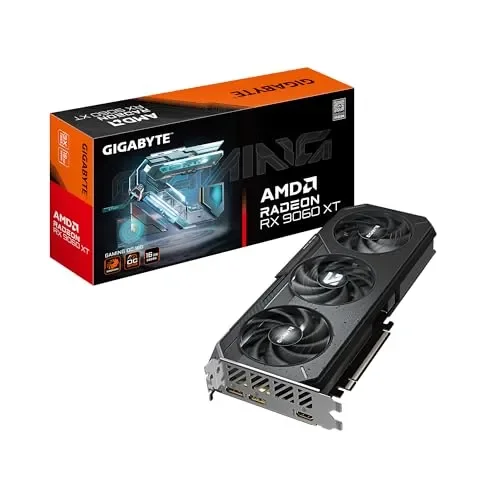
The 'ASUS Prime RX 9070 XT OC GPU' with 16GB GDDR6 is noted for its strong performance, suitable for 1440p and beyond, carrying a price tag around $710. Similarly, the 'Gigabyte Radeon RX 7600 XT' is positioned as a budget option for 1080p gaming, featuring 16GB GDDR6 VRAM.
Read More: Subnautica 2 Strong Acid crafting guide for May 2026
Broader Market Considerations
The graphics card market in 2026 shows a clear bifurcation. For serious 4K gaming or 1440p with intensive ray tracing, a minimum of 16GB of VRAM is generally advised. AMD cards offer ray tracing support, though NVIDIA often leads in raw performance in this area. Upscaling technologies such as DLSS and FSR remain critical for maximizing performance across various budget tiers. The market also sees recommendations for pairing these GPUs with mid-range CPUs like the 'Ryzen 5 7600X' or 'Ryzen 5 9600X' for optimal gaming experiences.