The situation in the Middle East has become more tense as United States President Donald Trump has publicly stated that a change in leadership in Iran would be "the best thing that could happen." These remarks coincide with a significant increase in U.S. military presence in the region, including the deployment of a second aircraft carrier. This escalation occurs as diplomatic efforts concerning Iran's nuclear program continue, with indirect talks between the U.S. and Iran having recently taken place.
Escalating Tensions and Diplomatic Efforts
President Trump's recent statements mark a more direct call for the overthrow of Iran's current government. This comes at a time when the U.S. is pressuring Tehran to agree to terms that would limit its nuclear activities. While the U.S. and its allies suspect Iran is developing nuclear weapons, Iran maintains its program is solely for civilian purposes.
Read More: Sharad Pawar Leaves Pune Hospital After Chest Infection Treatment

Indirect talks between Washington and Tehran have occurred, focused on Iran's nuclear program.
A spokesperson for Iran's foreign ministry indicated these talks allowed Tehran to assess Washington's seriousness and suggested enough common ground for continued diplomacy.
The date and location for any future rounds of these talks have not yet been announced.
Military Posturing in the Middle East
In parallel with the diplomatic discourse, the U.S. has significantly reinforced its military assets in the Middle East.

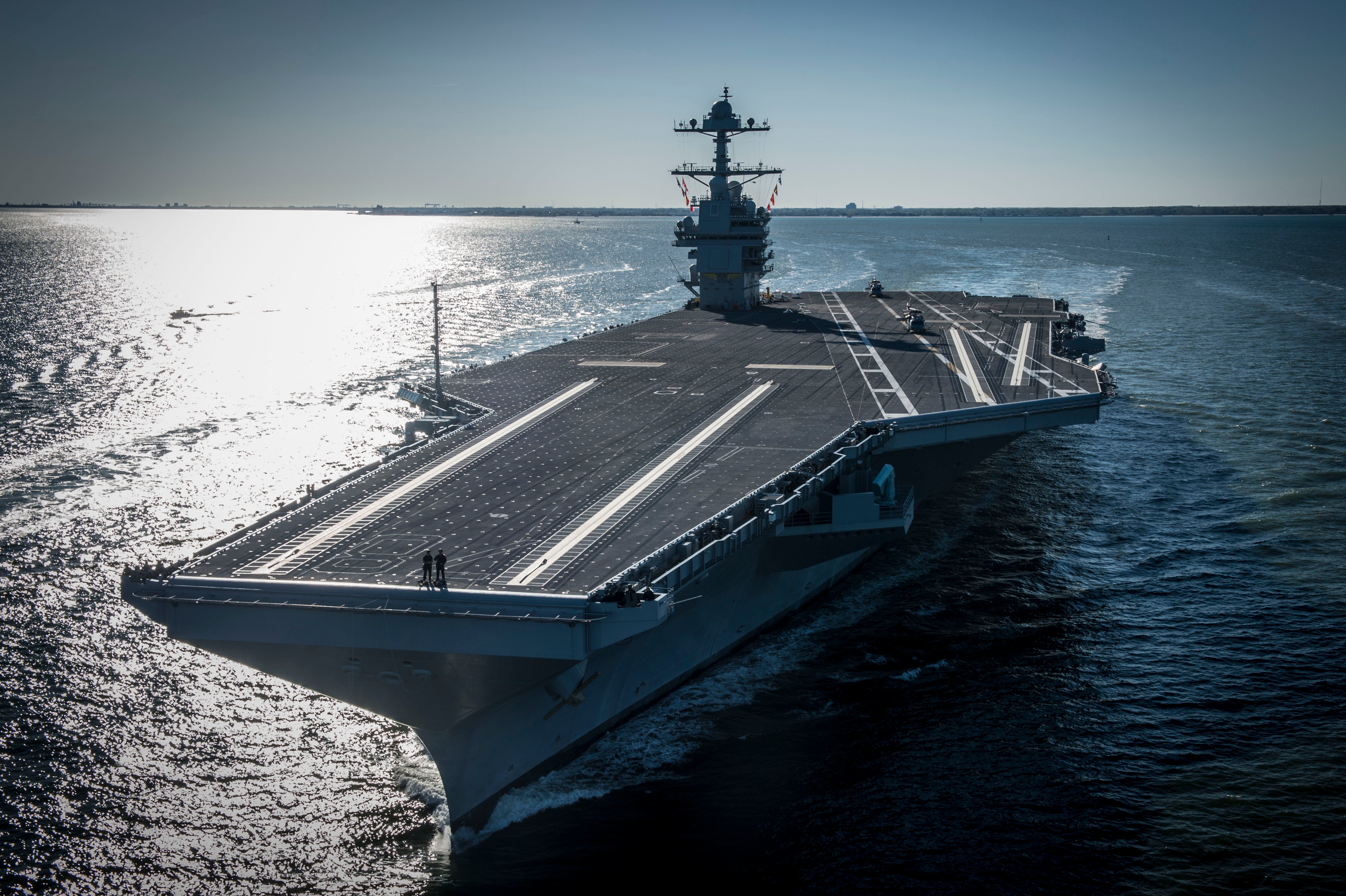
The USS Gerald R. Ford, the world's largest aircraft carrier, is being dispatched to the region.
This vessel joins other U.S. warships and military equipment already present.
The deployment of a second carrier group is seen by some analysts as providing President Trump with military options should diplomatic avenues fail or if Iran escalates its actions, particularly regarding its nuclear program or its response to internal protests.
Shifting Stance on Regime Change
President Trump's recent comments represent a departure from previous, more cautious statements regarding the possibility of regime change in Iran.
Read More: Trump Says Iran Regime Change Would Be Good, US Sends Big Ship

He has previously expressed concern that a forceful change of government could lead to chaos.
However, his latest remarks are a clear indication of his view that a different leadership in Iran would be a favorable outcome.
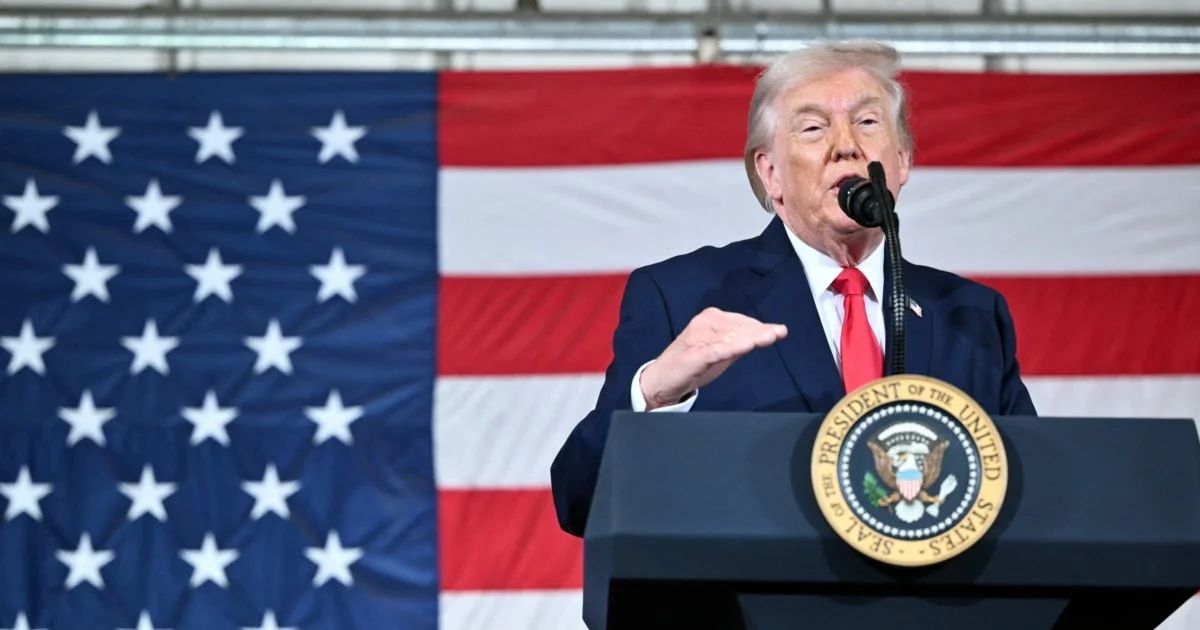
When asked by reporters, Trump stated, "Seems like that would be the best thing that could happen," in response to a question about wanting "regime change" in Iran.
He declined to name specific individuals or groups he would prefer to see in power, stating only that "there are people."
Potential Triggers for Military Action
The increased military presence and the strong rhetoric appear to be linked to two primary concerns:
Iran's Nuclear Program: President Trump has repeatedly threatened military action if Iran does not agree to a deal to limit its nuclear program. The U.S. suspects Iran is pursuing nuclear weapons, a claim Iran denies.
Domestic Crackdown: Trump has also threatened military strikes against the Iranian government if it proceeds with executions of individuals arrested during recent widespread anti-government protests.
Evidence and Statements
Key statements and actions reported in the provided articles include:
Read More: Trump Uses Stronger Words and Attacks More
"We've been going on for a long time." - Donald Trump, regarding the situation with Iran.
Trump's comments were his most overt call yet for the toppling of Iran's clerical establishment.
The deployment of a second carrier comes after Washington and Tehran last week held talks on Iran's nuclear programme.
"In case we don't make a deal, we'll need it." - Donald Trump, referring to the second aircraft carrier.
Trump has repeatedly threatened to use force to compel Iran to agree to constrain its nuclear program and earlier over Tehran's bloody crackdown on nationwide protests.
Trump made the comments shortly after visiting with troops at Ft. Bragg, North Carolina, and after he confirmed earlier in the day that he’s deploying a second aircraft carrier group to the Mideast.
Analysis of Dual Tracks: Diplomacy and Force
The U.S. approach appears to involve a dual strategy of diplomatic engagement coupled with significant military posturing.
Read More: US Sends Second Big Ship to Middle East
Diplomatic Track:
Indirect talks have occurred, with Iran stating they provided insight into U.S. intentions.
The U.S. indicates a preference for a deal to limit Iran's nuclear activities.
Military Track:
Deployment of the USS Gerald R. Ford and another carrier group to the Middle East.
Threats of military action if a nuclear deal is not reached or if Iran cracks down violently on protesters.
U.S. officials are reportedly weighing various military options, including targeted strikes.
Conclusion and Implications
President Trump's explicit endorsement of regime change in Iran, combined with the substantial military buildup in the region, has significantly heightened tensions. While indirect diplomatic talks have occurred, the underlying disagreements, particularly regarding Iran's nuclear program and its internal policies, remain unresolved. The situation suggests a precarious balance, where diplomatic engagement is shadowed by the palpable threat of military intervention. The coming period will likely be marked by continued diplomatic maneuvering and watchful observation of U.S. military readiness and Iran's responses.
Sources
The New Arab: https://www.newarab.com/news/trump-says-iran-regime-change-best-fear-powerful-motivator
RFE/RL: https://www.rferl.org/a/trump-aircraft-carrier-ford-iran-nuclear-armada/33677882.html
The Independent: https://www.the-independent.com/news/world/middle-east/trump-iran-regime-change-in-power-b2920274.html
The National: https://www.thenationalnews.com/news/us/2026/02/13/iran-regime-change-trump-aircraft-carrier/
Haaretz: https://www.haaretz.com/israel-news/2026-02-13/ty-article-live/trump-to-announce-gaza-funding-troops-at-board-of-peace-meeting-officials-say/0000019c-54d1-d638-a3fe-75d1c5920000 (Note: This article also contains other news unrelated to Trump and Iran.)
DNYUZ: https://dnyuz.com/2026/02/13/trump-says-regime-change-in-iran-that-ousts-islamic-clerics-would-be-the-best-thing-that-could-happen-as-another-carrier-heads-to-mideast/
PBS NewsHour: https://www.pbs.org/newshour/politics/trump-says-change-in-power-in-iran-would-be-best-after-sending-2nd-aircraft-carrier-to-region
AP News: https://apnews.com/article/trump-iran-aircraft-carrier-military-8db3fab10476949acda8b973be416204
DNYUZ: https://dnyuz.com/2026/02/13/trump-says-regime-change-would-be-the-best-thing-for-iran/
News-Pravda: https://news-pravda.com/usa/2026/02/13/2074334.html
SCMP: https://www.scmp.com/news/world/middle-east/article/3343549/trump-says-change-power-iran-would-be-best-thing-he-sends-second-carrier
Read More: Senator Cassidy's Request for RFK Jr. Testimony Delayed for Five Months