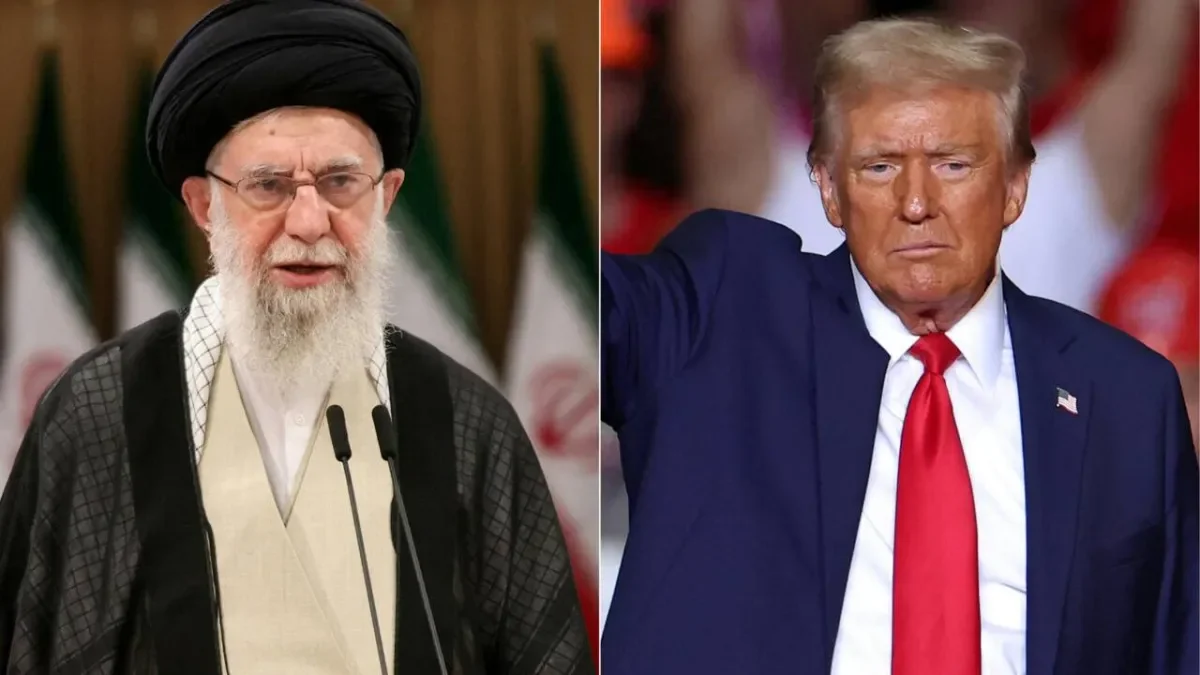
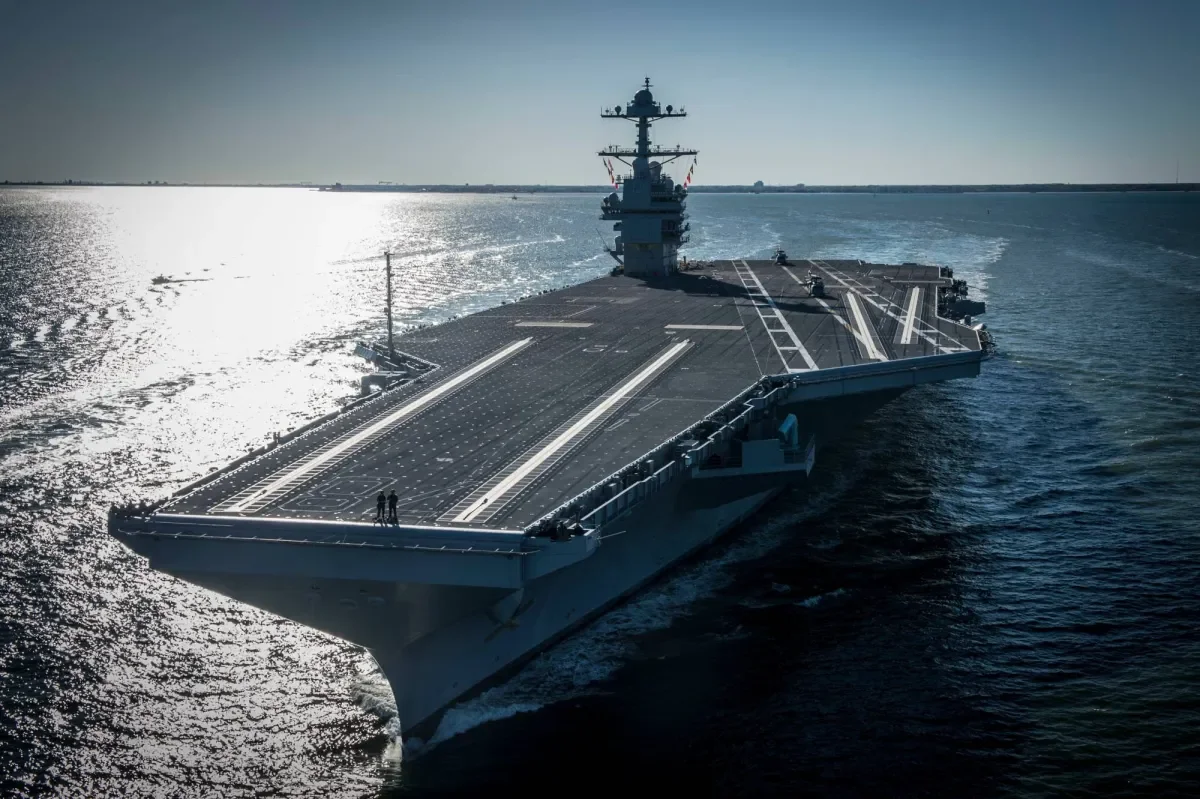
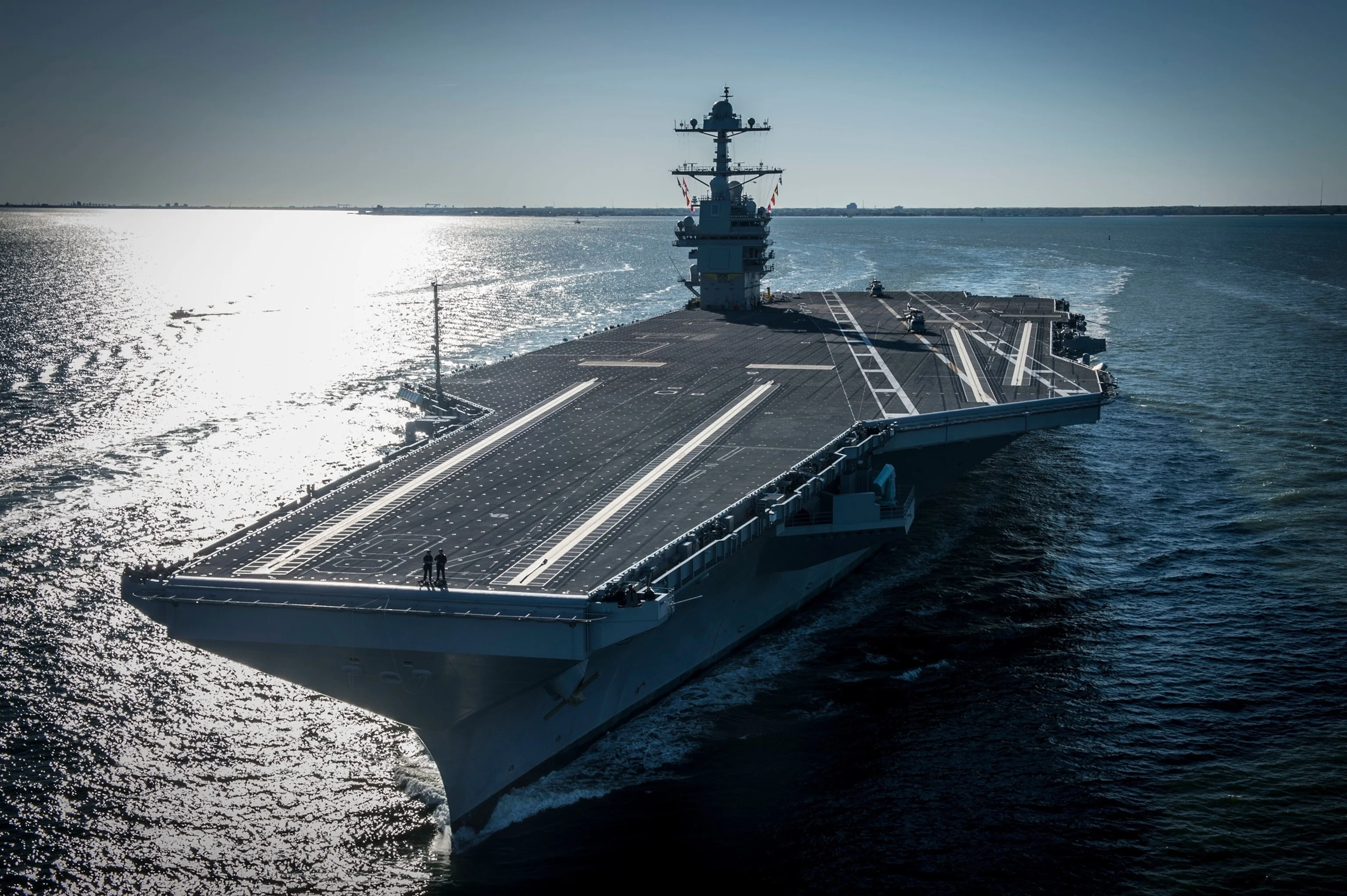
The United States is sending its largest aircraft carrier, the USS Gerald R. Ford, to the Middle East, adding a significant naval presence to a region already experiencing heightened tensions with Iran. This deployment, intended to support a previously stationed carrier, comes as President Trump pursues diplomatic efforts and maintains military pressure on Tehran regarding its nuclear program and regional actions. The move underscores a complex diplomatic and military strategy, with officials indicating a dual approach of engagement and deterrence.
Background and Timeline
The decision to send the USS Gerald R. Ford carrier strike group to the Middle East follows several weeks of escalating interactions between the U.S. and Iran.
Previous Deployment: The USS Abraham Lincoln carrier strike group, comprising the carrier and three guided-missile destroyers, arrived in the Middle East more than two weeks prior to these reports.
Diplomatic Engagements: President Trump engaged in discussions with Israeli Prime Minister Benjamin Netanyahu, emphasizing the need for continued negotiations with Iran. Separately, U.S. and Iranian delegations met in Oman earlier this month for indirect talks.
Domestic Situation in Iran: Reports indicate internal dissent within Iran, with ongoing anger over the government's suppression of protests. This domestic unrest coincides with international pressure from the U.S.
Previous Military Considerations: President Trump had reportedly considered military action against Iran in response to its crackdown on protesters but ultimately opted against it.
Key Developments
The deployment of the USS Gerald R. Ford is a central element of the current U.S. strategy in the region.
Read More: Epstein Files Cause Big Companies to Stop Deals and People to Quit Jobs

Ford's Movement: The USS Gerald R. Ford and its escort ships are expected to shift from the Caribbean region, where they have been since November as part of operations near Venezuela, to the Middle East.
Dual Carrier Presence: This deployment will result in two U.S. aircraft carriers operating in the Middle East simultaneously, significantly augmenting American naval power in the vicinity of Iran.
Escalating Pressure: U.S. officials and President Trump have indicated that this military buildup is intended to increase pressure on Iran to negotiate a deal concerning its nuclear program.
Stated U.S. Objectives
The White House has articulated specific goals driving these military and diplomatic actions.
Nuclear Deal: President Trump has consistently pressured Iran to agree to terms that curb its nuclear program, threatening consequences if an agreement is not reached.
Coercion and Negotiation: The military presence is framed as a means to coerce Iran into a favorable deal, while diplomatic channels remain open.
Response to Regional Actions: The U.S. has also expressed concern over Iran's ballistic missile development and its support for regional proxies.
Iran's Stance and Regional Dynamics
Iran has responded to U.S. actions with a combination of defiance and diplomatic engagement.
Read More: US Moves Thousands of ISIS Suspects from Syria to Iraq
Negotiation Participation: Iran has engaged in indirect negotiations with the U.S., signaling a willingness to discuss its nuclear program.
Retaliatory Warnings: Tehran has previously warned that it would target U.S. bases in the Middle East in the event of an attack.
Military Posturing: Iran has demonstrably strengthened its military displays in recent weeks, indicating preparedness for potential conflict.
Analysis of the Strategy
The dual approach of military deployment and diplomatic overtures suggests a deliberate strategy of deterrence and negotiation.
Deterrence: The presence of two carrier strike groups is a clear signal of U.S. military capability and resolve, aiming to deter Iranian aggression and compel concessions.
Negotiation Leverage: The military pressure is intended to provide leverage in diplomatic discussions, increasing the urgency for Iran to reach an agreement.
Internal Iranian Dynamics: The timing of the deployment, coinciding with domestic unrest in Iran, may also be calculated to influence internal political calculations within Tehran.
Expert Insights
"The United States is pursuing a strategy that combines significant military pressure with the ongoing diplomatic outreach. The dual carrier deployment is a very clear signal of intent." – Anonymous U.S. official, cited by AP News.
"President Trump has consistently indicated that he is prepared to use military force if diplomatic efforts fail to achieve the desired outcomes regarding Iran's nuclear program." – Analysis from CBS News reporting.
Conclusion and Implications
The deployment of the USS Gerald R. Ford to the Middle East signifies a critical juncture in U.S.-Iran relations. The reinforcement of the U.S. naval presence, coupled with ongoing diplomatic efforts, reflects a multifaceted strategy aimed at influencing Iran's behavior on nuclear and regional issues. The effectiveness of this approach will depend on Iran's response, the progress of negotiations, and the broader geopolitical context. The situation remains fluid, with the potential for either de-escalation through a diplomatic breakthrough or increased confrontation.
Sources Used
AP News: https://apnews.com/article/trump-iran-aircraft-carrier-military-8db3fab10476949acda8b973be416204 - Reported on the deployment of the second aircraft carrier based on anonymous sources familiar with the plans, highlighting the goal of coercing Iran into a nuclear deal and noting domestic anger in Iran.
CBS News: https://www.cbsnews.com/news/aircraft-carrier-gerald-ford-middle-east-iran-trump/ - Confirmed the expected movement of the USS Gerald R. Ford from the Caribbean to the Middle East, mentioning the context of simmering tensions and President Trump's pressure on Iran over its nuclear program and protests.
Fox News: https://www.foxnews.com/world/uss-ford-ordered-middle-east-second-aircraft-carrier-being-sent-region - Stated that the USS Gerald R. Ford was ordered to the Middle East, noting its arrival would make it the second carrier in the region and referencing the prior arrival of the USS Abraham Lincoln.
CNN Politics: https://www.cnn.com/2026/02/13/politics/us-iran-aircraft-carrier - Detailed the strategic shift, including Trump's discussions with Netanyahu about continuing Iran negotiations, and the presence of envoys on the Lincoln carrier after the decision to hold off on strikes.
Aawsat: https://english.aawsat.com/world/5240347-world%E2%80%99s-largest-aircraft-carrier-being-sent-middle-east - Reported on the order for the world's largest aircraft carrier (USS Ford) to sail to the Middle East from the Caribbean, linking it to President Trump's consideration of military action against Iran and ongoing negotiations.
The Telegraph: https://www.telegraph.co.uk/world-news/2026/02/13/trump-sends-worlds-largest-aircraft-carrier-to-middle-east/ - Stated Donald Trump ordered the USS Gerald R. Ford to the Middle East to increase pressure on Iran, mentioning indirect negotiations in Oman and Iran's warnings of retaliation.
ABC News: https://abcnews.go.com/International/uss-gerald-ford-aircraft-carrier-headed-caribbean-middle/story?id=130127299 - Confirmed the USS Gerald R. Ford carrier strike group was expected to depart the Caribbean for the Middle East, noting this would result in two carriers in the region alongside the USS Abraham Lincoln.
Read More: Baba Vanga's 2026 AI Predictions Not Proven