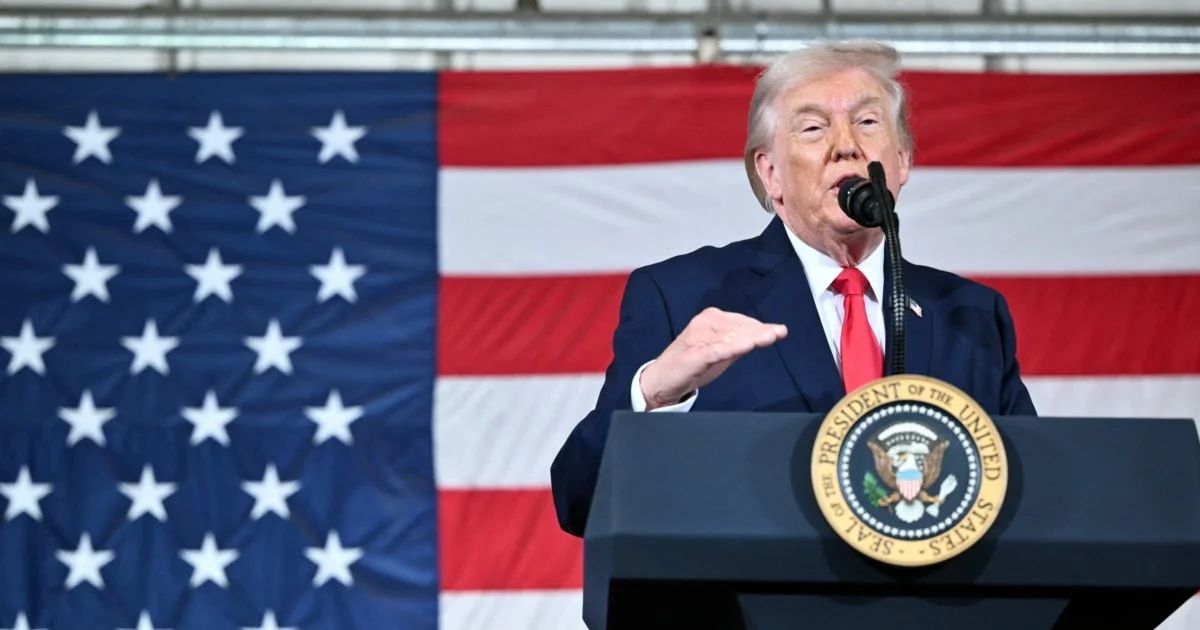
Rising global tensions and increased military activity in the Middle East have brought a stark declaration from Donald Trump: the idea of a change in leadership within Iran, he stated, "would be the best thing that could happen." This sentiment comes as the United States is reportedly rerouting its largest aircraft carrier, the USS Gerald R. Ford, to the region, adding to existing naval forces. The deployment and the President's strong words suggest a significant escalation in diplomatic and military posture concerning Iran, particularly regarding its nuclear program and internal protests.
Context of the Situation
Recent events have heightened friction between the United States and Iran.
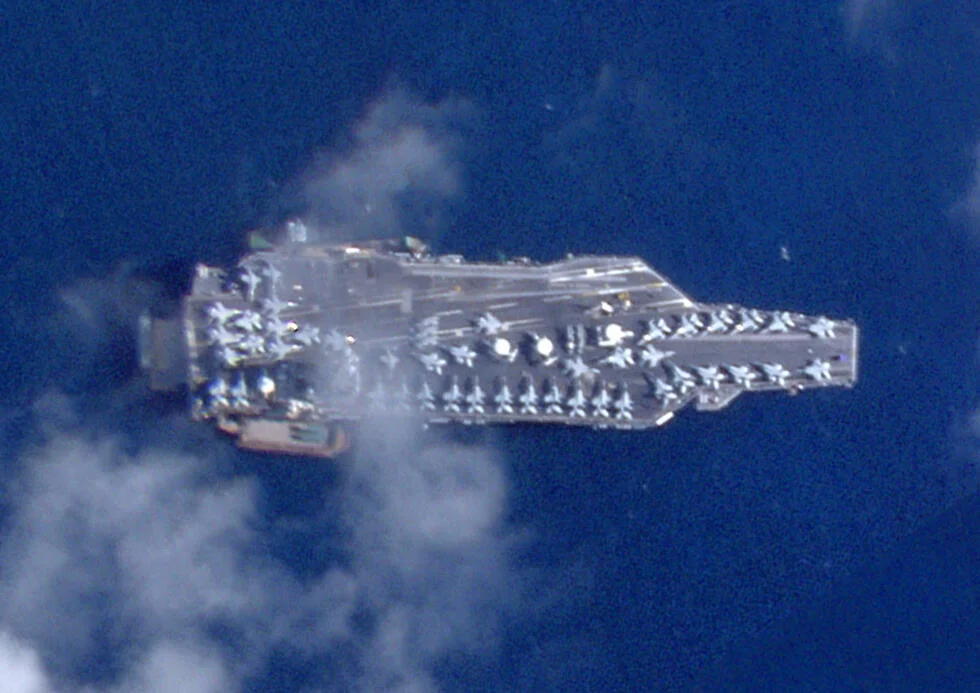
Military Posturing: The USS Gerald R. Ford aircraft carrier is being moved from the Caribbean to the Middle East. This carrier will join other US warships already present in the region, significantly increasing American naval strength.
Presidential Declarations: Donald Trump has publicly expressed his view that a change of government in Iran would be beneficial. He has made these remarks amid ongoing discussions about Iran's nuclear activities and its response to internal unrest.
Diplomatic Engagements: Despite the military buildup and strong rhetoric, talks between Iran and the United States regarding Iran's nuclear program have occurred. These discussions, however, have not yielded agreements on terms deemed acceptable by the US.
Internal Iranian Situation: Iran has seen protests, which have recently lessened in intensity. Calls for external support for the Iranian people have been voiced by individuals like Reza Pahlavi, son of Iran's last shah.
Evidence of Trump's Stance
Statements and reports indicate a clear direction in US policy and presidential pronouncements.
Read More: Geneva Hosts Talks on Iran Nuclear Deal and Ukraine War
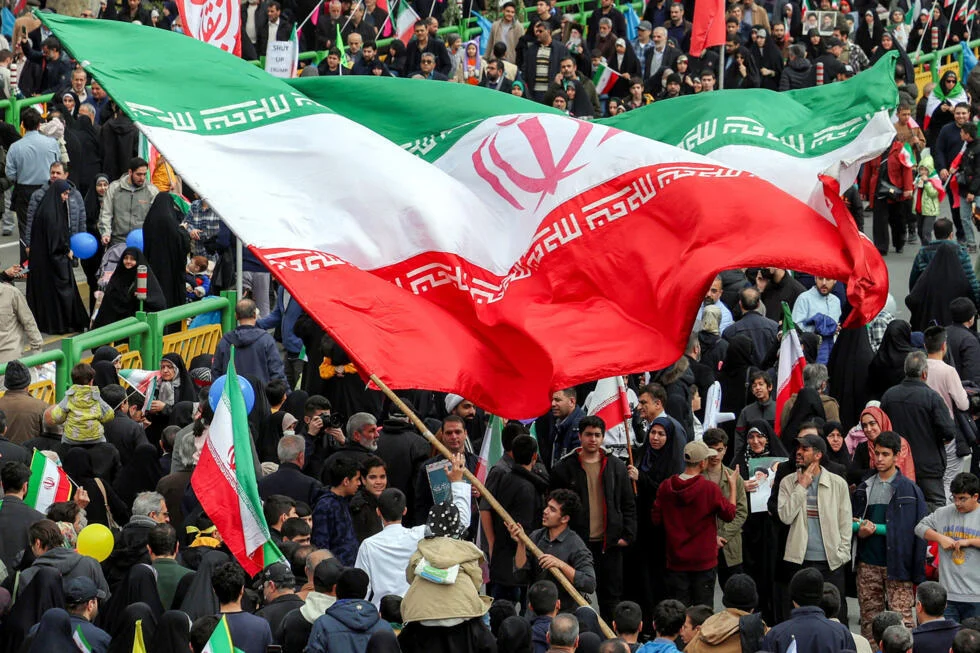
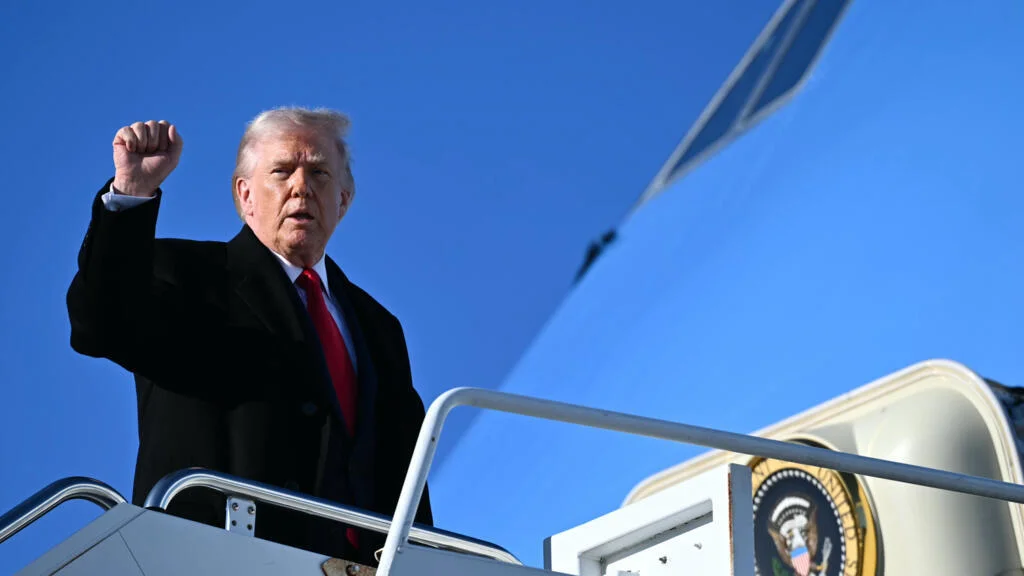
Direct Quotes: Donald Trump told reporters that regime change in Iran "would be the best thing that could happen." He also stated that to avoid an attack, Iran would need to "give us the right deal."
Media Reports: Multiple news outlets have covered Trump's comments and the concurrent military movements. The deployment of the USS Gerald R. Ford has been reported as a measure to bolster existing US military assets in the Middle East.
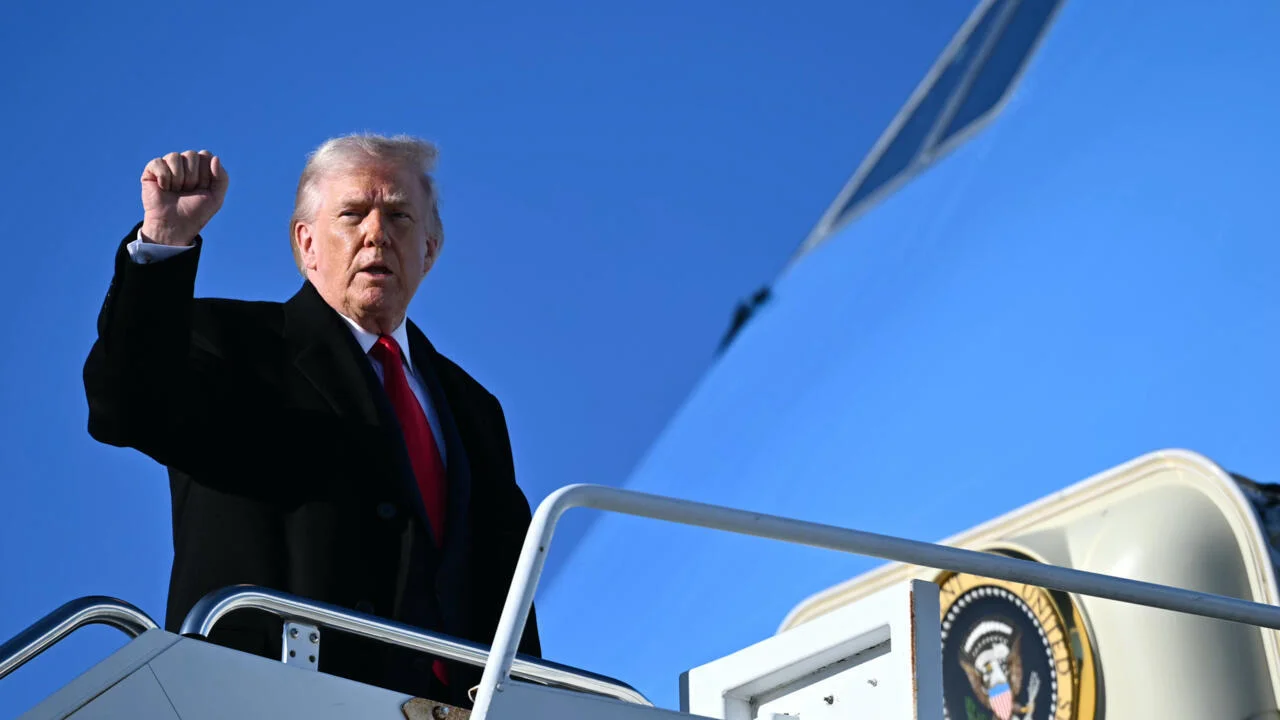
Presidential Confirmation: Trump confirmed the deployment of the USS Gerald R. Ford after visiting troops.
Deployment of Naval Assets
The movement of the USS Gerald R. Ford is a notable event in the context of regional security.
Carrier's Journey: The USS Gerald R. Ford, the world's largest aircraft carrier, has been directed to sail to the Persian Gulf.
Reinforcement of Presence: This deployment is intended to strengthen the US military presence in an area already populated by other US vessels, including the USS Abraham Lincoln.
Navy Chief's Concerns: Reports indicate the chief of the US Navy, Daryl Caudle, has expressed reservations about extending the deployment of the USS Gerald R. Ford. He has warned of potential strain on sailors, disruption to families, and risks to the ship's maintenance if its deployment is prolonged.
Diplomatic Dialogue vs. Military Pressure
The US approach to Iran appears to involve both dialogue and the application of pressure.
Read More: Trump Says Iran Leadership Change Would Be Good
Talks on Nuclear Program: The US and Iran have engaged in discussions about Iran's nuclear program. These talks have taken place in locations such as Oman.
US Demands: Trump has indicated that Iran must offer "the right deal" to prevent conflict, a deal that, historically, Iran has not agreed to.
Underlying Threats: Trump's repeated threats of force aim to compel Iran to limit its nuclear activities and address its internal actions, such as the crackdown on protests.
Expert Analysis
Commentary from outside the immediate administration offers perspective on the unfolding situation.
Historical Context: Reza Pahlavi, advocating for intervention, represents a perspective seeking international support for a change in Iran's government.
Strategic Implications: The dual approach of military readiness and diplomatic overtures, particularly concerning nuclear capabilities, is a common strategy in international relations, though its effectiveness can be debated.
Conclusion
The current situation presents a complex interplay of presidential rhetoric, military positioning, and ongoing diplomatic efforts.
Read More: Indian Man Admits Guilt in US Court for Plot to Kill Activist
Presidential Intent: Donald Trump's explicit endorsement of regime change in Iran, coupled with the significant deployment of the USS Gerald R. Ford, signals a robust US stance.
Regional Impact: The increased US military presence in the Middle East is a clear signal to regional actors and directly to Iran.
Uncertainty: The success of these combined strategies – military pressure and diplomatic engagement – in achieving US objectives regarding Iran's nuclear program and regional influence remains to be seen.
Sources:
The Independent: https://www.independent.co.uk/news/world/middle-east/trump-iran-regime-change-in-power-b2920274.html
France 24: https://www.france24.com/en/live-news/20260213-us-to-deploy-new-aircraft-carrier-to-middle-east-as-trump-warns-iran
The Jerusalem Post: https://www.jpost.com/middle-east/article-886586
Iran International: https://www.iranintl.com/en/liveblog/202602011665