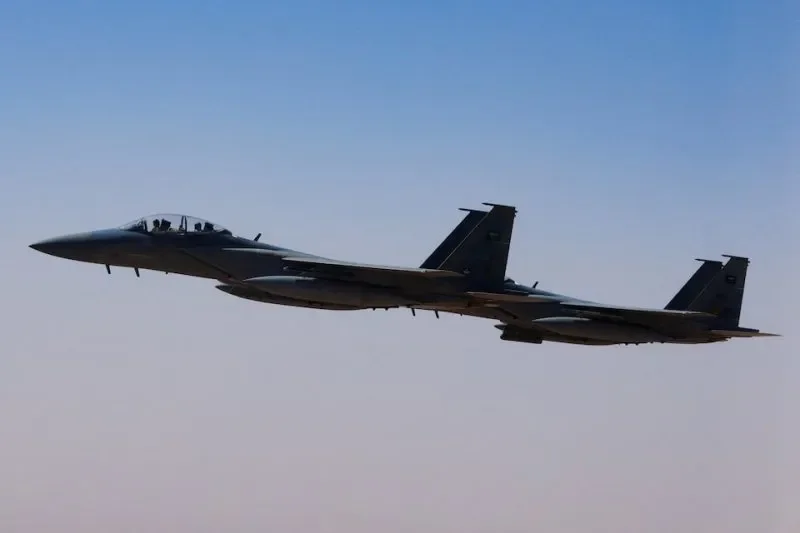
The United States military is relocating a large number of individuals suspected of belonging to the Islamic State of Iraq and Syria (ISIS) from detention sites in northeast Syria to facilities in Iraq. This action is taking place amidst reports of security concerns and evolving political dynamics in the region, including clashes and shifts in control over territory that housed these detainees.
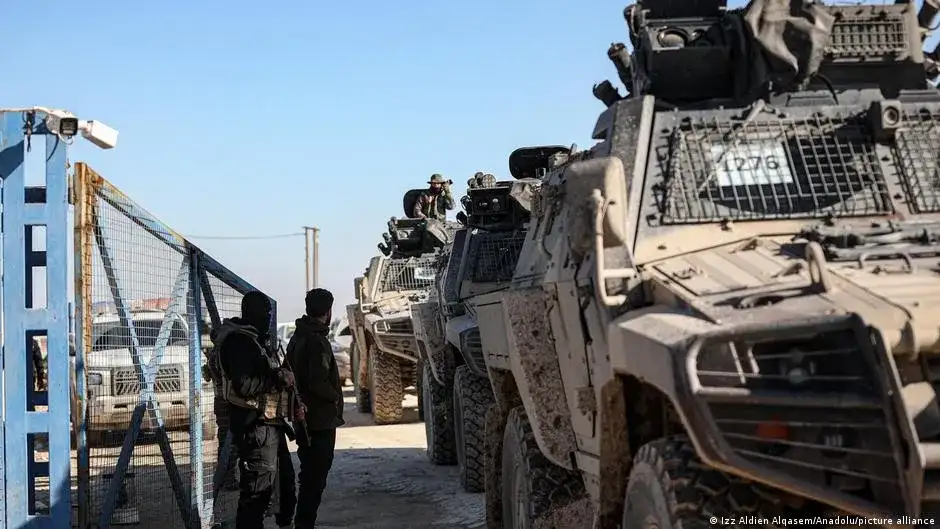
Reports indicate that the U.S. military, through U.S. Central Command (CENTCOM), has begun a mission to transfer up to 7,000 ISIS detainees from northeastern Syria to Iraq. As of early February 2026, the process is underway, with thousands of individuals already moved across the border. This operation follows a period of heightened instability in Syria, marked by clashes between Kurdish-led Syrian Democratic Forces (SDF) and Syrian government forces, which led to concerns about the security of detention facilities and potential prisoner escapes. The U.S. states the transfer aims to ensure detainees remain in secure locations.
Read More: Conservative Figures Use Nonprofits for Security Funding Amid Threats

Background and Timeline of Events
The transfer of ISIS detainees from Syria to Iraq is occurring against a backdrop of significant geopolitical shifts:
January 21, 2026: U.S. Central Command announces the launch of a mission to transfer ISIS detainees from northeast Syria to Iraq, with an initial movement of 150 fighters. The stated goal is to ensure these individuals remain in secure detention facilities.
Ongoing Clashes: Reports emerge of clashes between Syrian government forces and the SDF, which controls much of northeast Syria. These clashes have reportedly affected areas around detention sites holding ISIS suspects and their relatives, leading to fears of escapes.
Ceasefire Agreement: A ceasefire is announced between opposing Syrian forces, following intensified fighting. Some reports suggest this ceasefire is intended to integrate Kurdish forces into Syria's national army.
SDF Accusations: The SDF accuses the U.S.-led coalition of not providing sufficient support during these clashes, which have resulted in the SDF losing control of significant territory.
Prisoner Escapes: There are reports that some ISIS members may have escaped during the clashes. One source suggests around 1,500 individuals might have escaped.
Early February 2026: Reports confirm that thousands of ISIS detainees have already been transferred to Iraq. An Iraqi security source indicates that nearly 2,000 detainees had been moved by mid-February, while other reports state over 2,200 and over 4,000 individuals have been transferred by early February.
Scale and Nature of the Transfer
The U.S. military operation involves moving a substantial number of individuals held in detention facilities managed by Kurdish-led forces in Syria.

Target Numbers: The U.S. aims to transfer up to 7,000 ISIS detainees from Syria to Iraqi-controlled facilities.
Progress to Date: As of early February 2026, the numbers reported transferred vary:
An Iraqi security source stated nearly 2,000 were moved by mid-February.
An Iraqi official reported 2,225 received by early February.
Other reports suggest over 4,000 have been moved.
Motivation: The U.S. military's stated objective is to ensure the "secure detention" of these individuals and prevent them from escaping or regrouping. This initiative is described as part of a U.S.-led effort to manage the situation following shifts in territorial control in northeast Syria.
Iraqi Government's Stance on Detainees
Iraq's government has indicated readiness to prosecute the transferred ISIS detainees, presenting a different approach compared to the U.S. focus on secure detention.
Trials in Iraq: While the U.S. has suggested detainees will be held temporarily in Iraq, Baghdad has stated its willingness to put them on trial. CBS News has observed ISIS trials taking place in Baghdad.
Legal Procedures: The Iraqi judiciary has confirmed the initiation of investigative procedures for many of the transferred detainees. Since early February 2026, 1,387 detainees have been subject to these investigations.
Judicial Outcomes: Iraqi courts have a history of issuing severe sentences for terrorism offenses, including death sentences and life imprisonment, for individuals convicted of belonging to ISIS. These sentences have been handed down to both Iraqi nationals and foreign fighters.
Call for Repatriation: Iraq has also called on the countries of origin for foreign nationals among the detainees to repatriate them and ensure their prosecution in their home countries.
Security and Due Legal Process Concerns
The transfer raises questions regarding the security of the process and the legal rights afforded to the detainees.
Concerns Raised: U.S. Senator Marco Rubio has expressed concerns regarding the security of the transfers and the adherence to due legal process for the detainees.
Temporary Holding: Rubio has stated that the ISIS suspects would only be held temporarily in Iraq, a position that contrasts with the Iraqi government's preparedness for trials.
Third Country Silence: No third country has publicly commented on the potential transfer of their foreign nationals to Iraq for trial or detention.
Potential Escapes: The initial security concerns in Syria stemmed from reports of potential prisoner escapes during clashes, underscoring the challenging security environment.
Regional Dynamics and Allied Roles
The operation takes place within a complex regional landscape, involving various actors and shifting alliances.
Kurdish Forces' Role: The SDF has been responsible for detaining thousands of suspected jihadists and tens of thousands of their relatives across various camps in Syria. The U.S. transfer is occurring as the SDF faces pressure and territorial losses.
Syrian Government Control: Following clashes and potential withdrawals of Kurdish forces, much of northeast Syria has come under the control of Syrian government forces.
U.S. Coalition Efforts: The U.S.-led anti-ISIS coalition's role in supporting the SDF during these clashes has been questioned by the SDF.
International Silence: The lack of comment from third countries on the fate of their citizens detained and transferred raises questions about international cooperation on prosecuting ISIS members.
Expert Analysis
The transfer of ISIS detainees from Syria to Iraq involves complex legal and security considerations.
"The sheer scale of this transfer, moving thousands of individuals from one complex conflict zone to another, presents immense logistical and security challenges. The key question will be how each nation involved navigates the legal frameworks and the ethical considerations of holding and prosecuting individuals accused of serious crimes." - Unnamed security analyst observing the situation.
The U.S. statement emphasizes ensuring secure detention, while Iraq's judiciary is preparing for trials. This dual approach highlights the differing immediate priorities and long-term strategies being employed in managing the residual threat of ISIS. The potential for escaped detainees in the initial stages of the operation, as reported by some sources, indicates the precariousness of the situation on the ground.
Read More: Saudi Arabia Secretly Strikes Iran After Attacks
Conclusion and Implications
The U.S. military's transfer of thousands of ISIS detainees from Syria to Iraq is a significant development driven by security concerns and the changing security landscape in northeast Syria.
U.S. Objective: To ensure the secure detention of ISIS suspects, preventing their escape following instability and territorial shifts impacting facilities managed by Kurdish forces.
Iraqi Response: To receive the detainees and initiate judicial processes, potentially leading to trials and convictions within Iraq's legal system, which has historically imposed severe penalties for terrorism.
Unanswered Questions: The fate of foreign nationals among the detainees remains a critical issue, with Iraq calling for repatriation and prosecution by their home countries, and third nations remaining largely silent.
Future Considerations: The long-term implications of this transfer will depend on the success of detention and judicial processes in Iraq, as well as the ability of other nations to address the issue of their citizens who were part of ISIS. The ongoing security situation in Syria and the region will continue to influence future actions related to these detainees.
Sources:
CBS News: U.S. moving 7,000 ISIS suspects from Syria to Iraq amid concerns over security and due legal process. Published: Feb 5, 2026. https://www.cbsnews.com/news/us-isis-suspects-transfer-syria-to-iraq-concerns-over-security-legal-process/
BBC News: US to transfer Islamic State prisoners from Syria to Iraq. Published: Jan 21, 2026. https://www.bbc.com/news/articles/cx20pwqkgp9o
U.S. Central Command (CENTCOM): U.S. Forces Launch Mission in Syria to Transfer ISIS Detainees to Iraq. Published: Jan 21, 2026. https://www.centcom.mil/MEDIA/PRESS-RELEASES/Press-Release-View/Article/4383698/us-forces-launch-mission-in-syria-to-transfer-isis-detainees-to-iraq/
The National: US military launches mission to transfer ISIS detainees in Syria to Iraq. Published: Jan 21, 2026. https://www.thenationalnews.com/news/us/2026/01/21/syria-isis-prisoners-sdf-us/
Times of Israel: Over 2,200 ISIS detainees moved from Syria to Iraq in ongoing US operation. Published: 6 days ago (from Feb 12, 2026). https://www.timesofisrael.com/over-2200-isis-detainees-moved-from-syria-to-iraq-in-ongoing-us-operation/
Firstpost: Over 4000 IS detainees moved from Syria to Iraq under US transfer operation. Published: 3 days ago (from Feb 12, 2026). https://www.firstpost.com/world/over-4000-is-detainees-moved-from-syria-to-iraq-under-us-transfer-operation-13978256.html