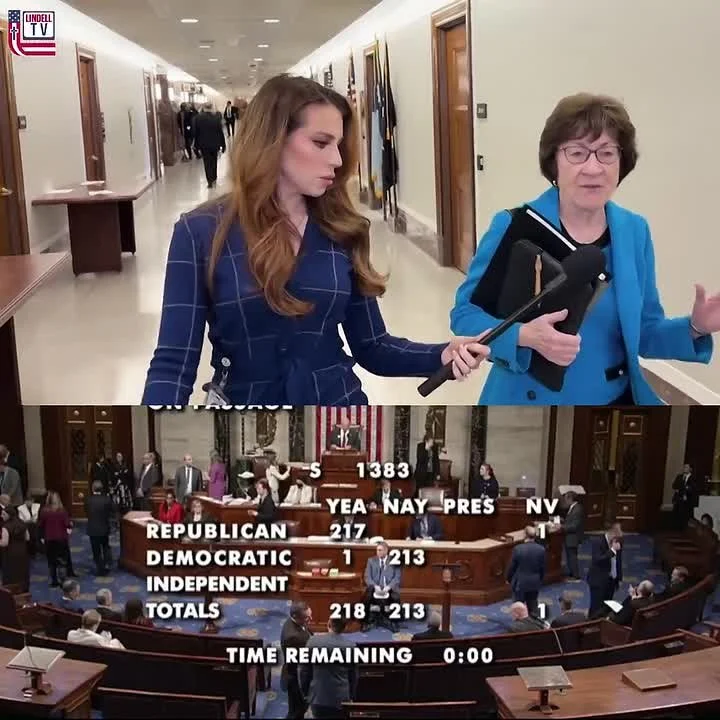
Washington D.C. - A notable number of United States Congress members are choosing not to seek re-election in the upcoming 2026 cycle. This trend, observed across both the House of Representatives and the Senate, marks a significant shift, with reports indicating the highest rate of departures at this stage in years. Lawmakers are leaving public office for various reasons, including the pursuit of other elected positions or a complete withdrawal from political life.
The Scale of Departures
Data collected indicates that fifty members of Congress had announced by mid-December 2025 that they would not seek re-election in 2026. This figure represents a substantial portion of both chambers, with projections suggesting that more than 10% of Congress will not return.
House of Representatives: Approximately 42 U.S. House incumbents are not seeking re-election.
Of these, 36 members have announced they will not seek re-election.
Among them, 27 Republicans and 23 Democrats have declared their retirements or intentions to pursue other offices.
Senate: Eight U.S. Senate incumbents are not seeking re-election.
Read More: Stephen A. Smith Thinking About Running for President in 2028
This marks the most at this point since 2018, highlighting the current scale of this phenomenon.
Drivers for Leaving Public Office
The reasons cited for these departures are varied, suggesting a complex set of motivations influencing lawmakers' decisions.
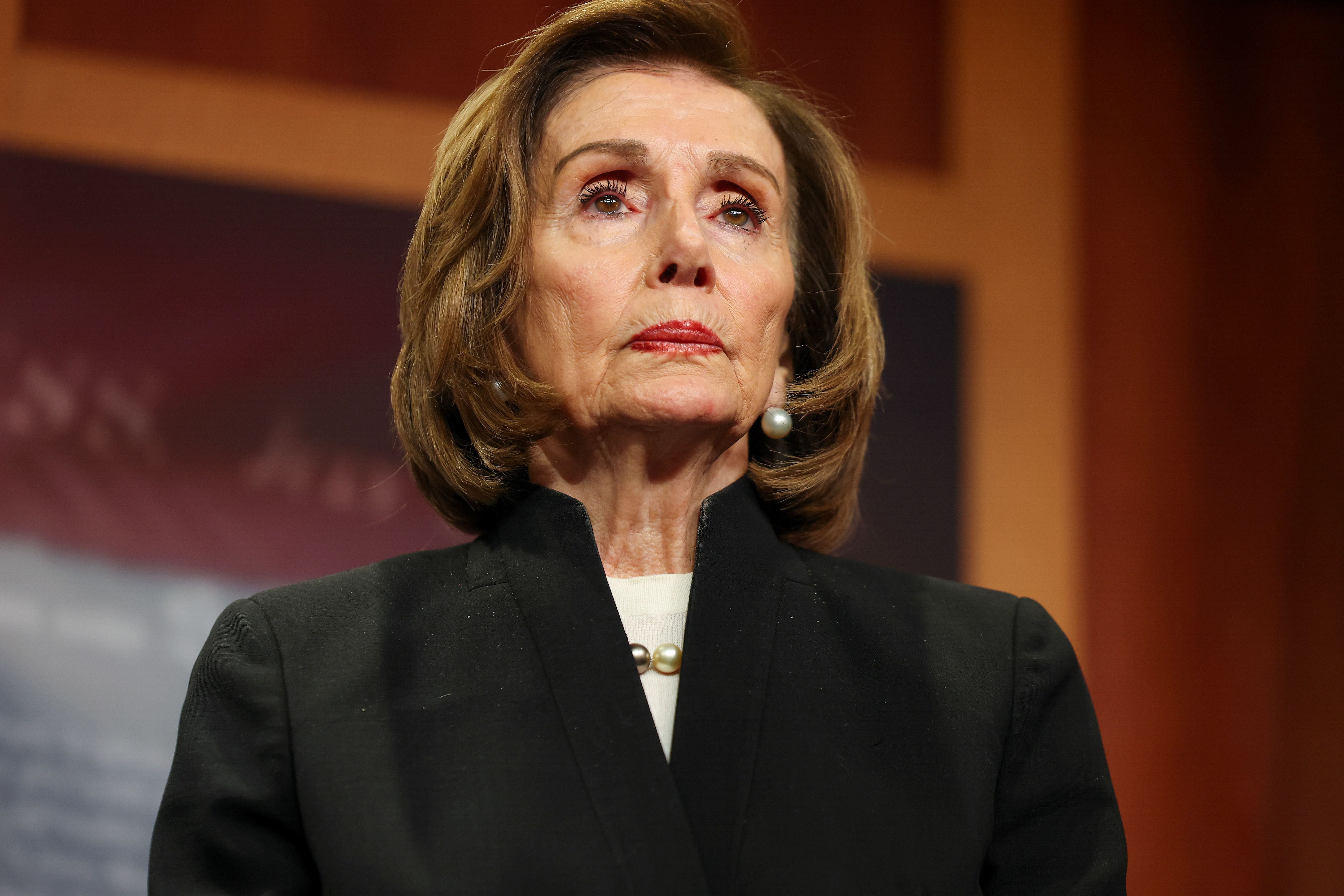
Seeking Other Elected Positions
A significant number of retiring members are not leaving public service entirely but are instead aiming for different elected roles.
Running for Senate: Twenty-seven U.S. House incumbents are not seeking re-election to their current seats with the intention of running for the Senate.
Running for Governor: Fifteen House members and three senators are seeking to become governor of their respective states.
Other Offices: Some are pursuing roles such as State Attorney General or County Judge.
The data suggests that out of 32 members retiring from public office, the majority are running for a different position.
Read More: House Passes Election Bill, Now Goes to Senate

Direct Retirement from Public Life
A portion of the departing members are choosing to retire completely from public service.
Retiring Outright: Among the 42 U.S. House incumbents not seeking re-election, fifteen members (ten Democrats and five Republicans) are retiring from public office.
Senate Retirements: Of the eight U.S. Senate incumbents not seeking re-election, seven members (four Democrats and three Republicans) are retiring from public office.
Analysis of Departures by Party and District
While both parties are experiencing retirements, there are some observable differences in the numbers and the nature of the seats affected.
| Party | House Retirements | Senate Retirements | Total |
|---|---|---|---|
| Republican | 18 | 3 | 21 |
| Democrat | 9 | 4 | 13 |
| Total | 27 | 7 | 34 |
Note: These numbers reflect those retiring from public office, not those running for other elected positions.
It has been observed that most open House seats are not in competitive districts. However, the decision to retire is often linked to the demanding nature of campaigning. One representative noted that the grueling two-year election cycle played a role in his decision not to run again, expressing confidence that he could have won re-election had he chosen to do so.
Notable Figures Among Those Leaving
The current wave of departures includes prominent and long-serving members of Congress.
Read More: Measles Cases Rise at Ave Maria University to 57
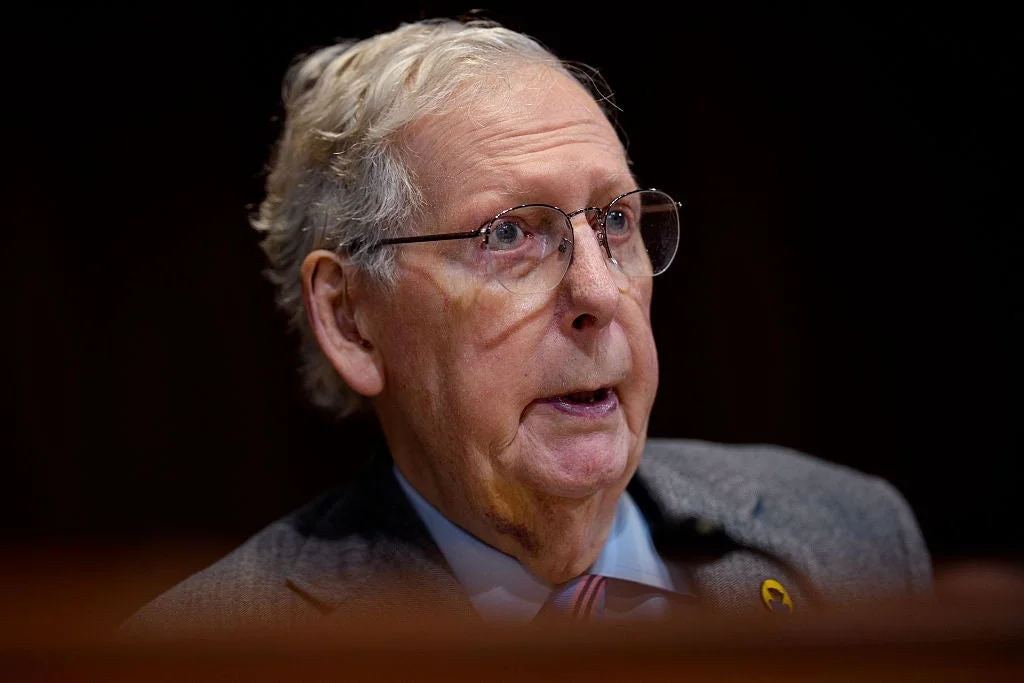
Former House Speaker Nancy Pelosi is among the prominent figures forgoing re-election.
Jodey Arrington, Chair of the House Budget Committee, announced his retirement.
Rep. Mikie Sherrill of New Jersey resigned her House seat.
Rep. Nydia Velázquez of New York also announced her departure.
The timing of these announcements, with several occurring in November, precedes the official end of terms, with some members resigning weeks before their final term officially concludes to pursue other opportunities.
Expert Insights
"The current rate of members choosing not to seek re-election is historically high for this point in the election cycle. It suggests a significant reevaluation of public service by a considerable number of lawmakers."
"The desire to pursue other offices, particularly the Senate and governorships, is a common thread. This indicates a strategic political calculus by some members who see viable paths to higher office or different political arenas."
"The intensity of the campaign cycle and the evolving political landscape are undoubtedly factors contributing to the decisions of many members to step down. The commitment required for re-election, especially in competitive districts, is immense."
Conclusion
The trend of a high number of Congress members opting out of re-election bids for 2026 is a clear signal of a significant turnover in the legislative body. The motivations appear multifaceted, encompassing aspirations for other high-profile elected positions and a desire to exit the demanding environment of congressional service. This phenomenon warrants continued observation as the election cycle progresses, particularly regarding the composition of both the House and the Senate and the types of districts from which members are departing. The exclusion of non-voting members, those who died in office, and most members who resigned during their term from these counts provides a focused view on voluntary departures and transitions to other offices.
Read More: Jamaat-e-Islami Will Be Opposition Party; Questions About Vote Fairness Remain
Sources:
NBC News: https://www.nbcnews.com/politics/congress/members-congress-are-fleeing-job-historically-high-rate-rcna253865
Context: Reports on the high rate of members leaving Congress, mentioning specific House members and the impact of the election cycle.
NPR: https://www.npr.org/2025/12/17/nx-s1-5647318/congress-retirement-2026-house-senate
Context: Discusses the overall percentage of Congress not returning, highlighting retirements and runs for other offices like governor and Senate.
PBS NewsHour: https://www.pbs.org/newshour/politics/whos-retiring-from-congress-or-not-seeking-reelection-heres-a-guide
Context: Provides a guide to who is retiring or not seeking re-election, with specific examples and reasons for departure.
Ballotpedia News: https://news.ballotpedia.org/2025/12/15/fifty-members-of-congress-have-announced-they-will-not-seek-re-election-in-2026-the-most-at-this-point-since-2018/
Context: Reports the total number of members not seeking re-election and compares it to previous years, noting the significance of the figure.
Fox News: https://www.foxnews.com/politics/headed-exits-why-3-dozen-house-members-arent-running-re-election
Context: Details a specific number of House members not seeking re-election and names prominent individuals like Nancy Pelosi and Jodey Arrington.
AP News: https://apnews.com/projects/2026-congressional-retirements-tracker/
Context: Serves as a tracker for U.S. House retirement announcements, clarifying exclusions and data sources.
CREFC: https://www.crefc.org/cre/cre/content/News/Items/advocacy-items/CongressionalRetirements.aspx
Context: Provides a breakdown of retirements by party and chamber, differentiating between outright retirements and runs for other offices.