Mounting Pressure and Escalating Rhetoric Characterize Trump's Campaign Strategy
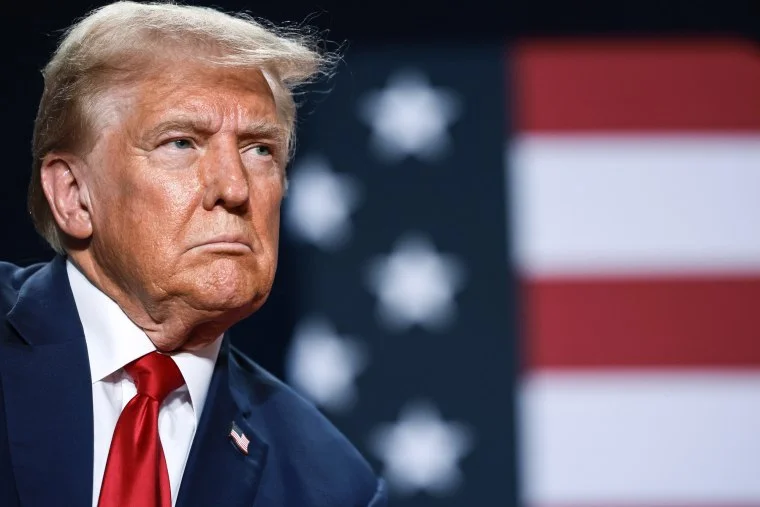
As the election season progresses, Donald Trump has demonstrably escalated his attacks on political opponents and intensified his rhetoric, employing language that has drawn concern from critics regarding its potential implications for democratic norms and the First Amendment. This shift in strategy appears to coincide with pressures related to his electoral standing and a perceived need to consolidate support. The former president is employing a combative approach, framing rivals and critics as criminals and questioning the integrity of electoral processes, even as officials in key states affirm their confidence in election security.
Historical Context and Shifting Political Landscape
The current election cycle finds Donald Trump facing a significantly altered political landscape. Reports from August 2024 indicated that Trump's standing in polls had slid, prompting a pre-emptive strategy of issuing excuses for a potential defeat. This followed the Democratic National Convention and Kamala Harris's disciplined campaign start, which presented a notable challenge to Trump's comeback bid. Simultaneously, Trump's campaign was reportedly attempting to steer him towards a more serious approach, focusing on policy-based speeches and rallies in battleground states, a move designed to sharpen his focus ahead of a scheduled debate with Harris.
Read More: Congress Wins Telangana Local Elections, Leaders Thank Voters
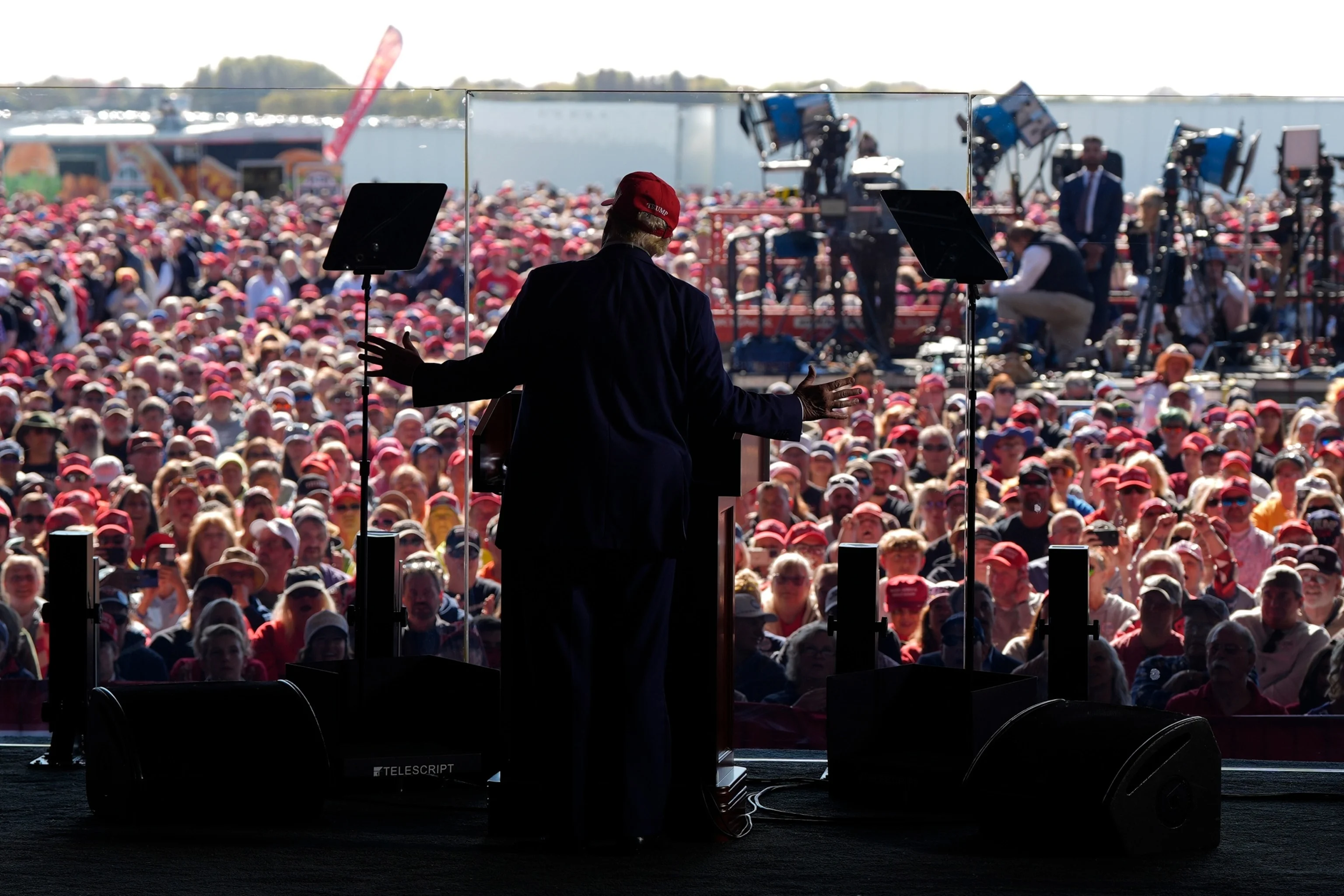
However, evidence suggests a concurrent, and perhaps dominant, trend of increasing personal attacks and rhetoric focused on retribution. Reports from late 2024 highlight Trump's explicit intention to target perceived enemies and those who have opposed him. This appears to be driven by a perception of immense pressure and a feeling that such actions are necessary for his survival.
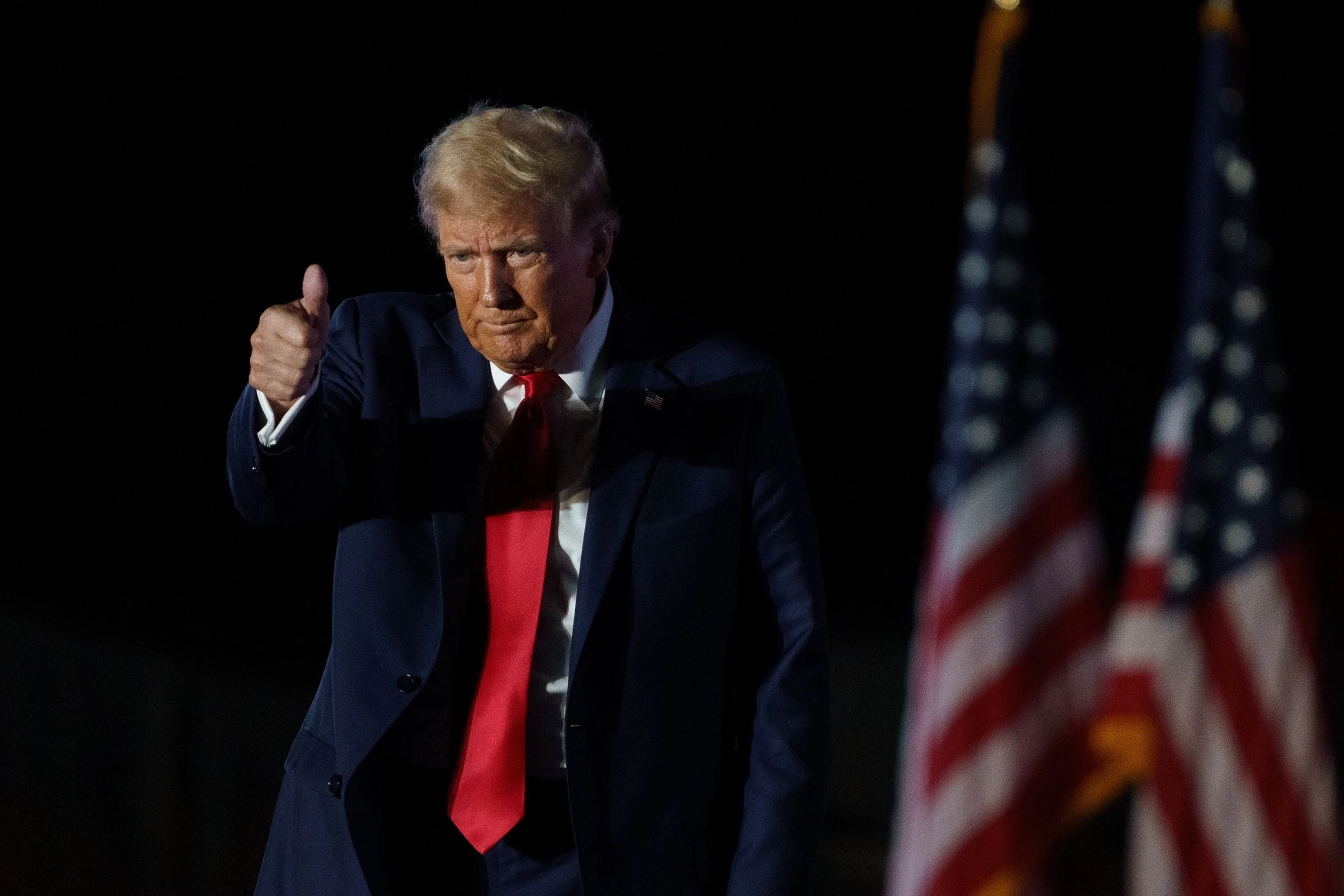
Evidence of Escalated Rhetoric and Actions
Multiple reports document Donald Trump's evolving rhetoric and proposed actions:

Portrayal of Rivals as Criminals: Trump has increasingly depicted political rivals and critics as criminals. He has been quoted as saying, "She's a criminal," in reference to an individual found guilty of felony counts. This rhetoric extends to suggestions that he favors outlawing political speech deemed misleading or challenging to his claims of power.
Threats Against Election Workers and Processes: There are documented instances of Trump threatening to prosecute election workers and falsely claiming noncitizens are allowed to vote. He has also made accusations of Democrats cheating, leading officials in battleground states to reaffirm the integrity of their electoral systems and the presence of post-election audits.
Authoritarian Undertones: Political scientists have noted an increasing bend towards authoritarian rhetoric in Trump's campaign. This includes threats to jail election workers, vows to confront the civil service, and pledges of retribution against political enemies if elected, which critics argue would significantly extend the normal bounds of executive power.
Attacks on the First Amendment: The attacks have exclusively targeted Democrats, liberal groups, and establishment institutions. This focus has led to concerns about Trump's impact on the First Amendment, as his administration has previously sought to silence critics and curb speech that does not align with his political views. Legal scholars suggest lower courts have consistently pushed back against such overreaches concerning protected speech.
Focus on Revenge: Reports explicitly highlight Trump's recent rhetoric centering on revenge. He has made clear his intention to destroy enemies and others standing in his way, indicating a belief that he must act this way to survive.
Contrasting Perspectives on Campaign Strategy
While the evidence points to an escalation in aggressive rhetoric, different interpretations of Trump's motivations and strategy exist:
Strategy of Aggression and Retribution
Survival Instinct: Some analyses suggest Trump's heightened attacks are driven by immense pressure and a belief that such actions are necessary for his survival. His break with an associate over the "Epstein files" is cited as a potentially significant factor.
Punishment for Perceived Wrongs: There is a clear indication that Trump seeks "accountability" for those he believes have "weaponized" the Department of Justice against him. His administration's press secretary has stated that Trump is "rightfully frustrated" and wants accountability from those who have allegedly abused their power.
Challenging Election Results: Trump has been actively laying the groundwork to potentially challenge the 2024 election results. His persistent accusations of a rigged system are seen as a way to preemptively explain a potential loss.
Political Positioning and Messaging
Addressing a Shifting Electorate: Some of Trump's allies and campaign efforts are reportedly trying to steer him towards a more serious approach, focusing on policy to gain traction in a transformed race against Kamala Harris.
Responding to Opposition: The Trump campaign has suggested that his comments are related to immigration, framing them as a response to the challenges posed by political opponents.
Expert Analysis on Rhetoric and Governance
Political scientists and legal experts have voiced concerns about the implications of Trump's rhetoric. The increase in language suggesting authoritarian tendencies is noted, with comparisons drawn to historical abuses of power. The potential impact on the First Amendment is a significant area of discussion, with scholars pointing to the consistent defense of free speech by courts, even when in dispute with presidential policy decisions. The White House Press Secretary's defense of Trump's remarks, framing them as a call for accountability rather than a weaponization of the justice system, represents the campaign's counter-narrative.
Findings and Implications
The evidence compiled from various sources indicates a clear and consistent pattern of escalating attacks and more aggressive rhetoric from Donald Trump during his current election campaign. This pattern is characterized by:
Read More: Jasmine Crockett Faces Attention for Strong Political Views
Personalization of Political Conflict: Rivals and critics are frequently framed as criminals.
Undermining Electoral Processes: Allegations of widespread fraud and threats against election workers persist.
Concerns for Civil Liberties: Rhetoric that suggests limiting political dissent and challenging fundamental rights, including freedom of speech, is a recurring theme.
The strategic use of such language appears linked to Trump's perception of pressure and his efforts to frame the electoral landscape, potentially as a means of preempting unfavorable outcomes. The implications for democratic discourse and the First Amendment remain a focal point of analysis and concern among critics and observers.
Sources Used:
The Conversation: Published November 24, 2025. Focuses on Trump's increasing attacks and perceived need for survival.https://theconversation.com/trumps-attacks-are-worsening-why-is-he-becoming-even-more-vengeful-270445
NBC News (Oct 13, 2024): Reports on Trump's escalation of rhetoric, depicting opponents as criminals and suggesting the outlawing of political dissent.https://www.nbcnews.com/politics/2024-election/totally-illegal-trump-escalates-rhetoric-outlawing-political-dissent-c-rcna174280
ABC News (Oct 8, 2024): Details Trump's efforts to lay the groundwork for potentially challenging the 2024 election results, including false claims about noncitizens voting and threats to election workers.https://abcnews.go.com/Politics/trump-laying-groundwork-possibly-challenge-2024-election-results/story?id=114569420
ABC News (Oct 15, 2024): Discusses Trump's "enemy from within" threat, highlighting his authoritarian shift and threats of retribution and challenging executive power.https://abcnews.go.com/Politics/trumps-enemy-threat-spurs-critics-alarm-authoritarian-shift/story?id=114816374
Los Angeles Times (Sep 22, 2025): Covers Trump's intensified attacks on political opponents and the First Amendment, including the campaign's defense of his remarks.https://www.latimes.com/politics/story/2025-09-22/trump-political-foes-justice-department
CNN Politics (Aug 26, 2024): Analyzes Trump's personal attacks as a core strategy and discusses his campaign's efforts to sharpen his focus with policy speeches.https://www.cnn.com/2024/08/26/politics/trump-personal-attacks-policy-harris-analysis
NBC News (Aug 15, 2024): Examines Trump's false attacks on election integrity as his standing in the polls slides, noting his fixation on a rigged system.https://www.nbcnews.com/politics/donald-trump/standing-polls-slides-trump-ramps-false-attacks-election-integrity-rcna166570
Read More: RFK Jr. Talks About Past Drug Use on Podcast