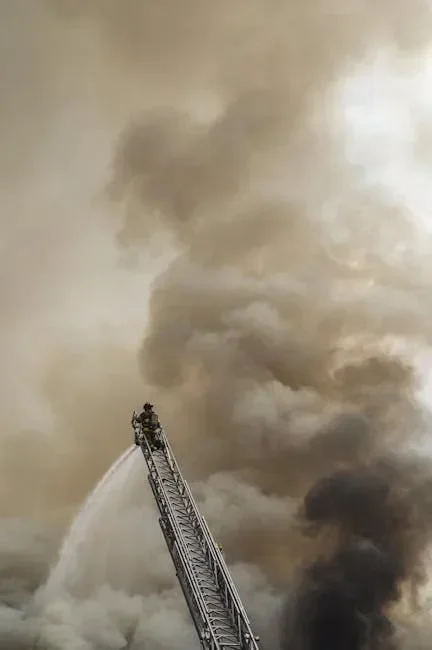
TEHRAN - Satellite data confirms that fires at multiple fuel depots around Tehran burned for days following coordinated strikes on March 7th, releasing a dense cloud of toxic pollutants over the capital. The fires, which engulfed fuel infrastructure, generated thick plumes of smoke containing soot, oil particles, and sulfur dioxide.
"There is no question that the smoke from such fires is very harmful and we can anticipate a lingering legacy of respiratory and other illnesses into the future." - Professor Andrea Sella, UCL Chemistry.
The scale of the fires, evident in satellite imagery, points to extensive damage to the city's fuel facilities. These fires continued to burn for days after the initial attacks, prolonging the emission of harmful substances. Residents observed black soot coating surfaces, with one report detailing a man cleaning his car covered in oily residue on March 8th. A passing storm on March 10th reportedly showered the city with "poisonous, oil-filled rain," underscoring the pervasive nature of the contamination.
Environmental experts note that the combustion of oil releases a complex mix of toxic compounds, including oxides of sulfur and nitrogen. The strikes on fuel infrastructure within a densely populated urban area have raised significant concerns, not just for immediate humanitarian impacts but for their broader environmental consequences. The lingering airborne toxins are expected to contribute to a significant increase in respiratory and other health issues for the population.
Read More: Earth's Energy Imbalance Reaches Record Highs in 2024 Affecting Oceans and Weather
The strikes targeted fuel infrastructure in and around Tehran. The aftermath saw widespread fires and subsequent pollution blanketing the city. The duration and intensity of these fires, captured by satellite observation, suggest a substantial and prolonged release of toxic pollutants.
The broader environmental implications extend beyond the city limits, with concerns about the long-term health of those exposed to the toxic fallout. The events have triggered global unease regarding the humanitarian and environmental cost of such attacks on vital infrastructure.