
The Royal Canadian Mounted Police (RCMP) Commissioner, Mike Duheme, has stated that ongoing investigations into alleged foreign interference have not uncovered evidence connecting criminal activities to any foreign government. This clarification follows comments made by former Indian High Commissioner to Canada, Sanjay Verma, who welcomed the development, asserting it's "not India's policy to interfere" in other nations' internal affairs. Duheme emphasized that while reports of intimidation and harassment exist, authorities require actionable information to pursue such cases.
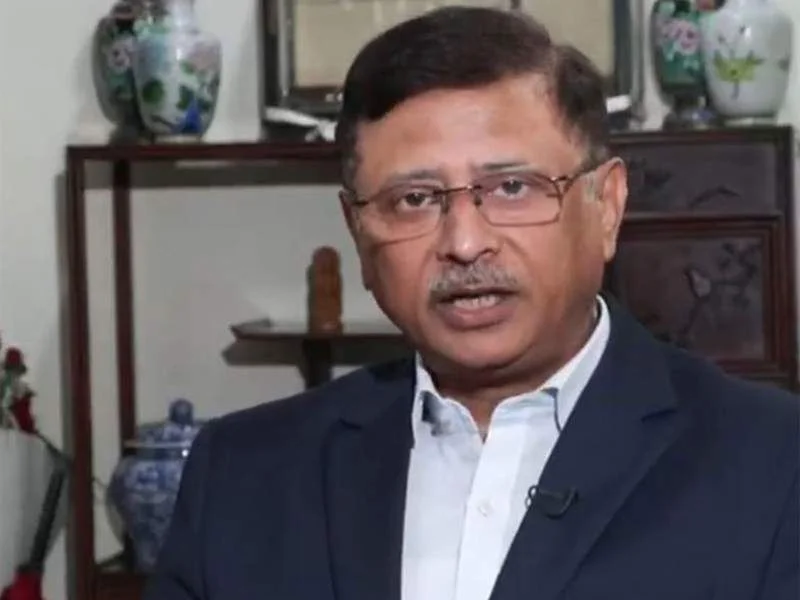
Verma, in a recent interview, noted that his earlier statements on the matter were not accepted at the time. He further distinguished between the ongoing court case involving four Indian nationals accused in the killing of Hardeep Singh Nijjar and broader allegations of foreign interference. The current focus of the RCMP's criminal investigation, according to Duheme, has not yielded links to foreign governments.
Read More: Taiwan Holds Nantou County Drills to Prepare for State Collapse
The RCMP Commissioner urged individuals to report incidents of harassment or intimidation, acknowledging that fear can be a barrier. He reiterated that investigations have not found direct connections between such reported activities and any foreign entities, based on the "criminal information" and ongoing probes.
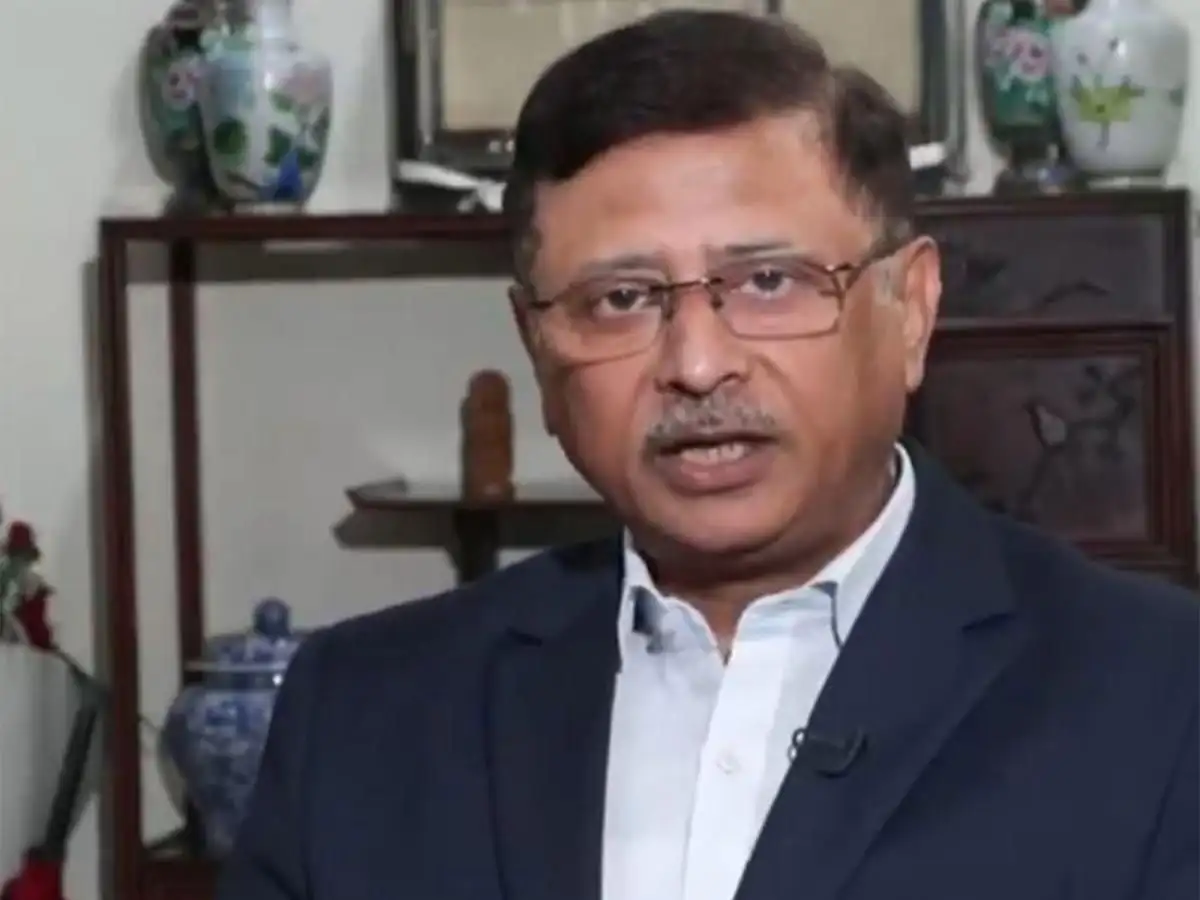
Canada-India diplomatic ties have reportedly seen an upturn following Canadian Prime Minister Mark Carney's visit to India between February 27 and March 2. Verma expressed satisfaction that the truth has emerged, indicating a potential recalibration in the bilateral relationship. He also highlighted that the individuals facing charges in the Nijjar case are among four Indian nationals who are currently undergoing a court process in Canada.
Verma, in a past interview, had asserted that his role in Canada was to defend India’s interests and counter anti-India propaganda. He had previously criticized the Canadian government for allegedly failing to provide credible evidence in the Nijjar case while providing a platform to groups considered threats to India's security.
Read More: Jessica Mulroney divorce from Ben Mulroney after Meghan Markle fallout