AQUATIC INVADERS RECALIBRATING ALASKA'S ECOSYSTEMS
Northern pike, long perceived as confined to freshwater, are actively exploiting previously unconsidered 'ocean pathways' to colonize new territories across Southcentral Alaska. This expansion, facilitated by warmer water temperatures that boost their metabolic rates and increase their consumption, places immense pressure on native species, particularly salmon. Research indicates pike are now traversing brackish estuarine zones, a route previously thought to be a natural barrier, allowing them to breach areas where they had been absent and native fish populations were dominant.
The warming of Alaskan rivers is directly correlating with an increased appetite in invasive northern pike, intensifying threats to native species like salmon.Northern pike are now confirmed to be utilizing salt-water estuaries to migrate between freshwater systems, a significant departure from previous understandings of their dispersal limitations.
SHIFTING PREDATOR-PREY DYNAMICS
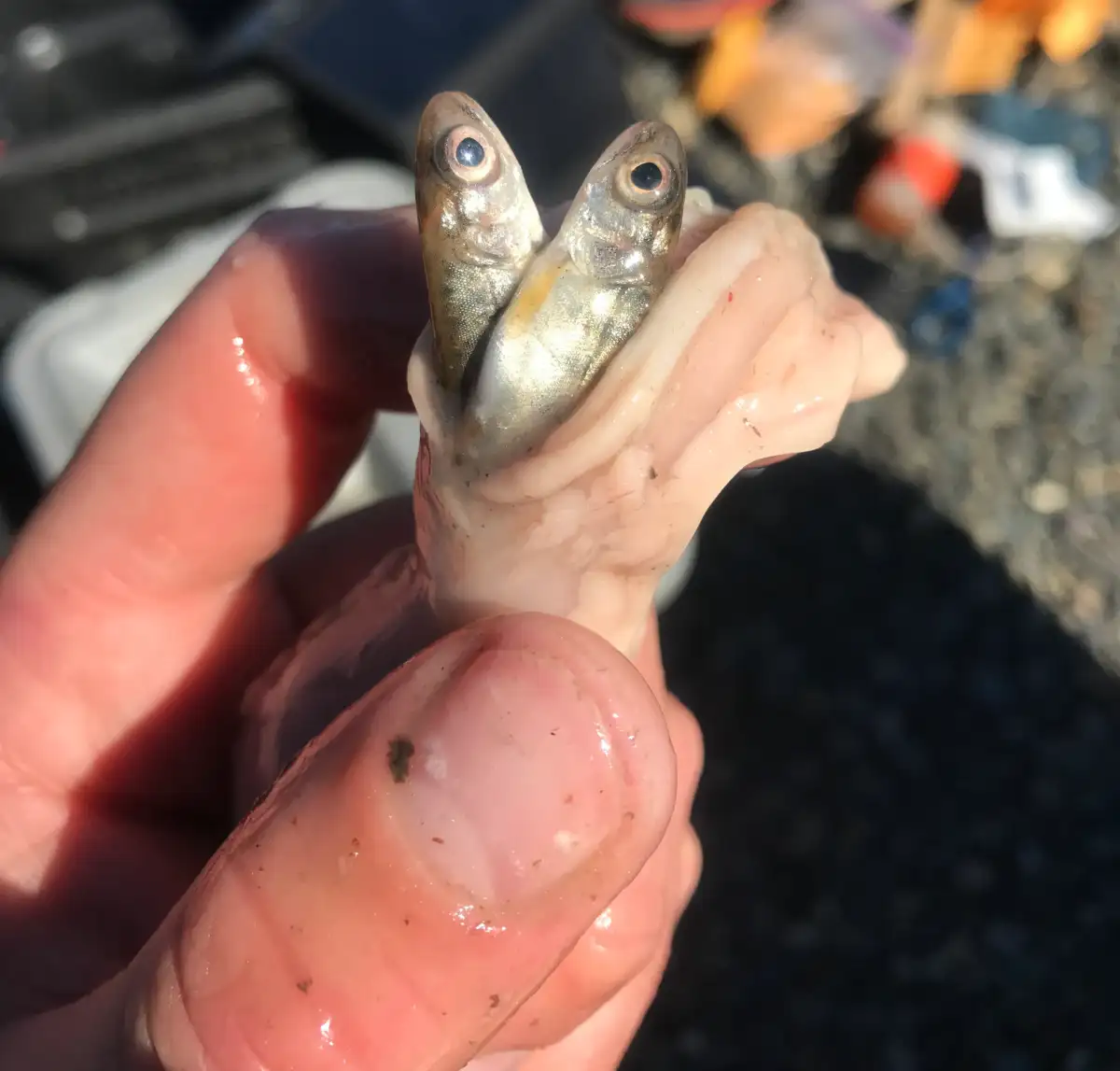
Evidence from the Deshka River reveals a stark shift in the diet of northern pike. While total fish consumption has risen with warming waters, the proportion of juvenile salmon found in pike stomachs has declined in newer samples compared to older ones. This suggests that even as pike become hungrier, their direct predation pressure on young salmon might be less concentrated than previously observed, though the overall increase in pike activity still poses a significant risk. Older studies had indicated that smaller pike were the primary predators of juvenile salmon, a concerning detail given the current population's younger demographic.
Read More: Amazon Land Use Changes Cause Disease Clusters in Brazil
HABITAT AND SPREAD UNBOUNDED
The ecological integrity of pike habitats is also being degraded by rising temperatures. Warmer waters lead to reduced oxygen levels, shrinking their available living space and altering their distribution patterns. Simultaneously, the discovery that pike are moving through estuaries—where freshwater rivers meet the ocean—is rewriting the understanding of their spread. This marks the first documented instance of northern pike using such 'secret ocean pathways' to colonize new territory in North America. This implies that even meticulously managed areas where pike have been eradicated could be vulnerable to re-infestation. Over 150 lakes and rivers in Alaska have already seen native fish populations overtaken by these invasive predators.
Read More: Matt Brown's Death Ruled Accidental Drowning in Alaskan River
MANAGEMENT CHALLENGES AND THE 'COOK INLET' RECONSIDERATION
For years, scientists presumed that the saltwater of Cook Inlet served as an impassable barrier, preventing the northward spread of pike. However, recent studies have directly contradicted this belief, showing pike successfully navigating these brackish environments to move between distinct freshwater systems. Efforts to manage the spread are underway, but the newly revealed migration routes present formidable challenges. Anglers are encouraged to report pike sightings and, where possible, submit retained specimens to wildlife officials. Yet, officials acknowledge these measures are not definitive solutions to a problem exacerbated by environmental shifts.
BROADER ECOLOGICAL CONCERNS
The natural range of northern pike historically included Interior and Western Alaska, where they coexisted for millennia. Their current expansion into new regions signifies a profound ecological disruption. While some research explores what preys on juvenile pike, the dominant narrative remains one of an increasingly successful, water-warming-empowered invader. The implications extend beyond salmon, impacting other native fish species that once occupied the apex predator niche in these newly invaded waters.
Read More: Kanyakumari Atomic Mining Permit Extended for 1144 Hectares in 2026
%20(1)%20(1).jpg)