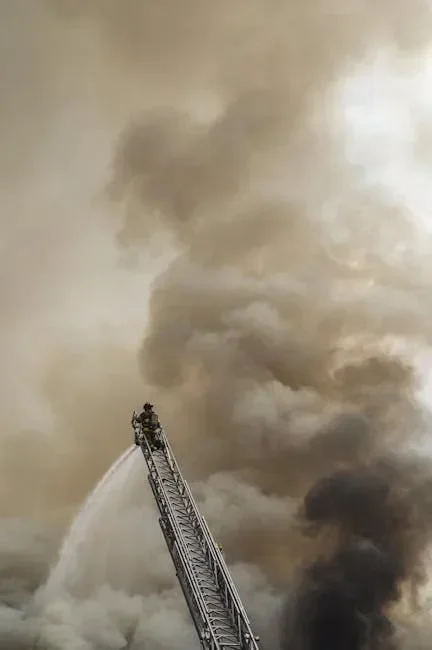
48-HOUR DEADLINE SET AS STRIFE ESCALATES
President Donald Trump has presented Iran with a stark 48-hour ultimatum, demanding the immediate reopening of the Strait of Hormuz. Failure to comply, Trump declared, will result in the United States striking and "obliterating" Iran's power plants. This pronouncement arrives amidst a prolonged and increasingly destructive conflict between the US, Israel, and Iran, now in its fourth week. Shipping traffic through the vital waterway, through which approximately one-fifth of the world's oil and gas passes during peacetime, has largely ceased.

The escalating tensions have already seen significant military actions. The Israeli military reported launching a series of strikes on Tehran shortly after Trump's announcement. Simultaneously, the United Arab Emirates indicated it had experienced aerial attacks following warnings to Iran regarding strikes originating from its territory near the Strait of Hormuz. Japan, meanwhile, stated it might consider deploying military assets for minesweeping operations in the Strait, contingent on a ceasefire being established.
Read More: Iran's Long-Range Missile Claims Questioned After Operation Epic Fury in March 2026
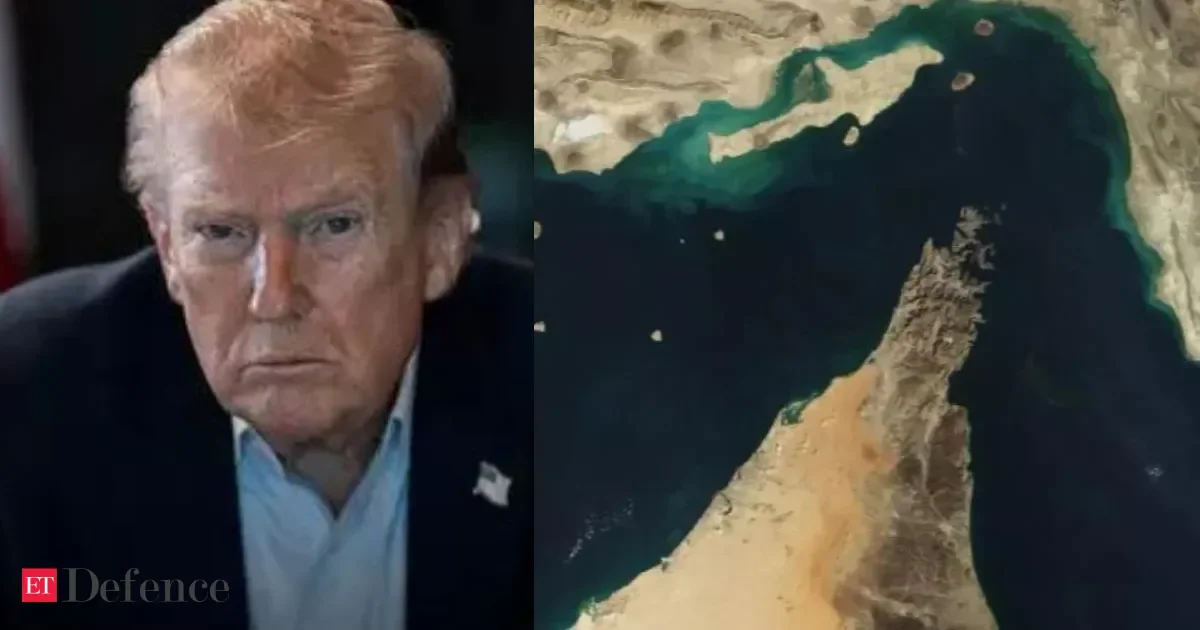
IRAN'S RETALIATORY STANCE AND GLOBAL MARKET REPERCUSSIONS
Iran's military command has responded to the threat by asserting it would target all US energy infrastructure in the region if its own fuel and energy facilities are attacked. Specific threats from Iran include targeting US energy, information technology, and desalination infrastructure within the region.
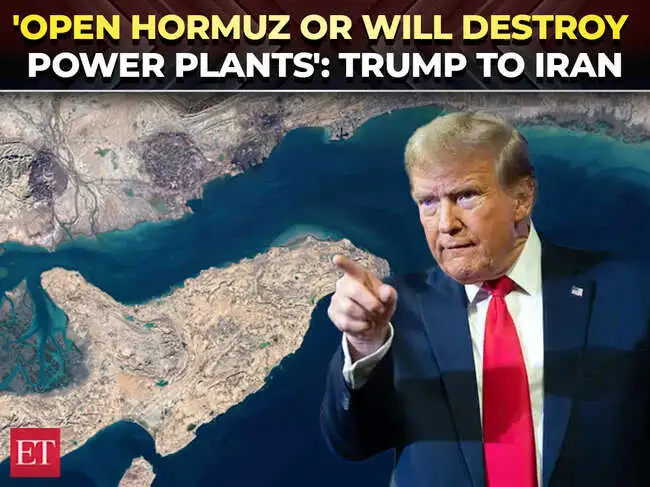
The ramifications of the blockade and the subsequent threats have been felt globally. International markets have reacted with significant volatility, with energy analysts expressing concerns that strikes on power infrastructure could further exacerbate the conflict and lead to continued escalation. Oil prices have reportedly soared, and stock markets have experienced a downturn.
BROADER CONFLICT AND ALLIANCE DYNAMICS
The US-Israeli campaign against Iran, which began on February 28, has involved substantial military engagement. Reports indicate Iran has deployed long-range missiles, including two ballistic missiles with a reported range of 4,000 km (2,500 miles) aimed at the US-British military base at Diego Garcia in the Indian Ocean. Trump has also voiced public criticism of NATO, labeling the alliance "cowards" for not assisting in efforts to reopen the Strait of Hormuz, despite their complaints about high oil prices. A coalition of nations has, however, signaled their readiness to contribute to efforts ensuring safe passage through the waterway.
Read More: Saudi Prince Pushes US for More Iran Military Action After Israeli Successes
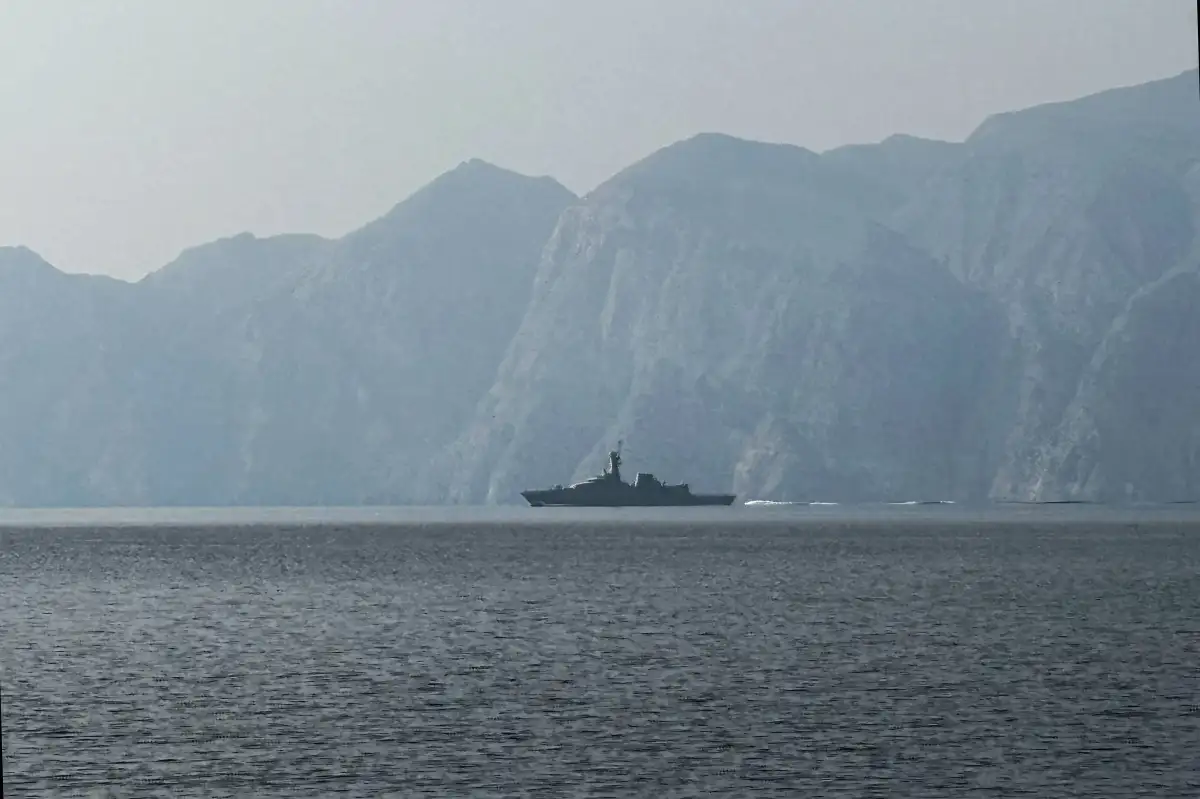
The conflict has already seen "The Callisto" tanker anchored due to diminished traffic in the Strait of Hormuz. The current situation marks a significant escalation, particularly given Trump's recent remarks about "winding down" the war prior to issuing this ultimatum. The potential targeting of power plants represents an expansion of US strikes to infrastructure directly impacting civilian life in Iran.