The Iranian regime's control appears increasingly precarious, evidenced by widespread internal dissent and a populace showing weariness under continuous external strikes. Discrepancies in the leadership's visibility, particularly the alleged Supreme Leader Moqtaba Khamenei's prolonged absence, fuel speculation about the regime's stability. Meanwhile, exiled voices offer stark critiques, and reports detail escalating transnational repression targeting journalists, underscoring a pattern of silencing dissent.
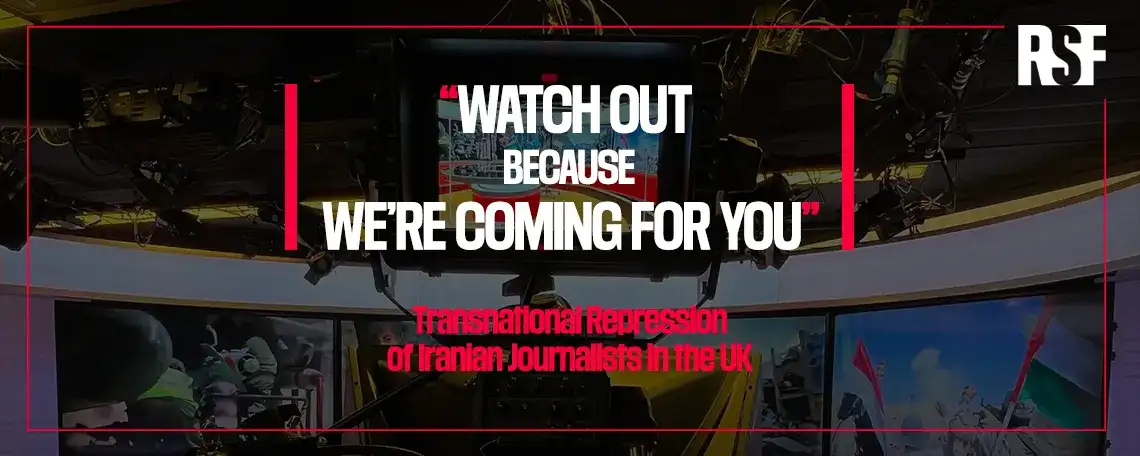
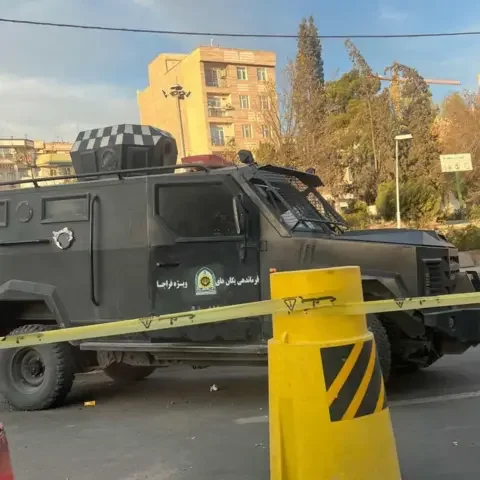
The societal impact of ongoing military actions, characterized by descriptions like "night turned into day" and streets ablaze, is palpable. Residents in Tehran report severed internet connections, fear of air strikes, and the pervasive presence of state security forces. Some individuals, despite the hardship, express a grim acceptance or even support for the strikes, viewing them as a potential path against the current government. This internal division suggests a populace grappling with a "choice of two evils."
Read More: NYC Mayor Mamdani's Rikers Ramadan Visit Causes Debate on Public Safety

The regime's reaction to significant events, such as the 'massive strike' on an airbase and the reported assassination attempt on Ayatollah Ali Khamenei, has been met with skepticism. Observers point to the leader's purported AI-generated statements and his uncharacteristic public absence, suggesting a deliberate obfuscation tactic. This perceived weakness or staged visibility from the top mirrors broader concerns about the regime's capacity to manage escalating regional pressures and internal alienation.
Repression and Silence
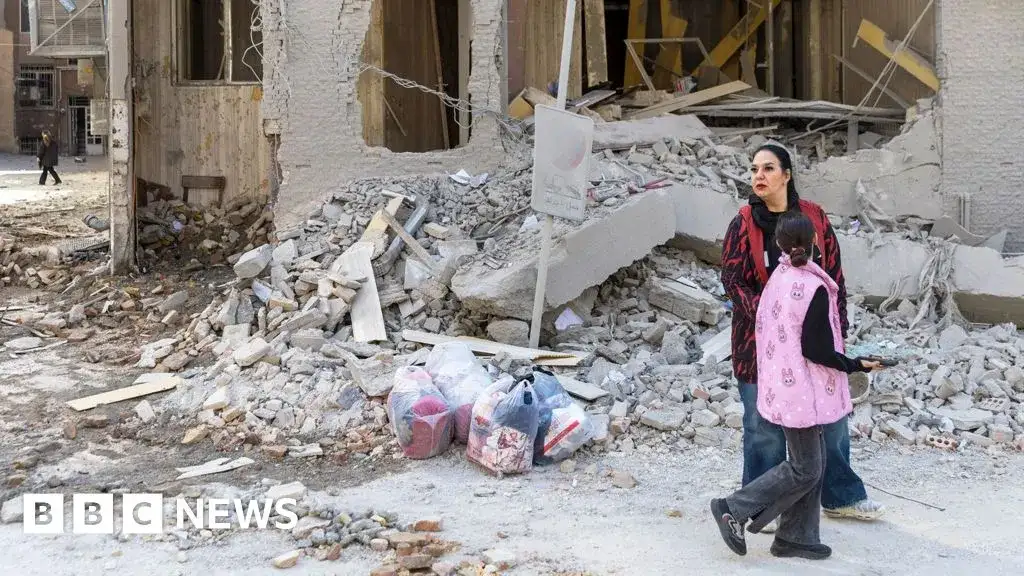
Journalists operating both inside and outside Iran face a concerted effort to stifle their work. Reports detail self-censorship, forced leaves, and outright departures from platforms and employment due to fear. The 'RSF report' highlights an "unprecedented transnational repression" within the UK, where Iranian journalists are targeted. The call for coordinated action from UK authorities—including law enforcement, social media platforms, and employers—to protect journalists underscores the severity and reach of these intimidations. Furthermore, Iran's own authorities continue arbitrary arrests, internet blackouts, and threats, aiming to control information flow and suppress unfavorable coverage. The conditions for detained journalists in prisons are described as dire, with inadequate medical care and overcrowded facilities.
Read More: Saudi Prince Pushes US for More Iran Military Action After Israeli Successes
Regional Escalation and Strategic Maneuvers
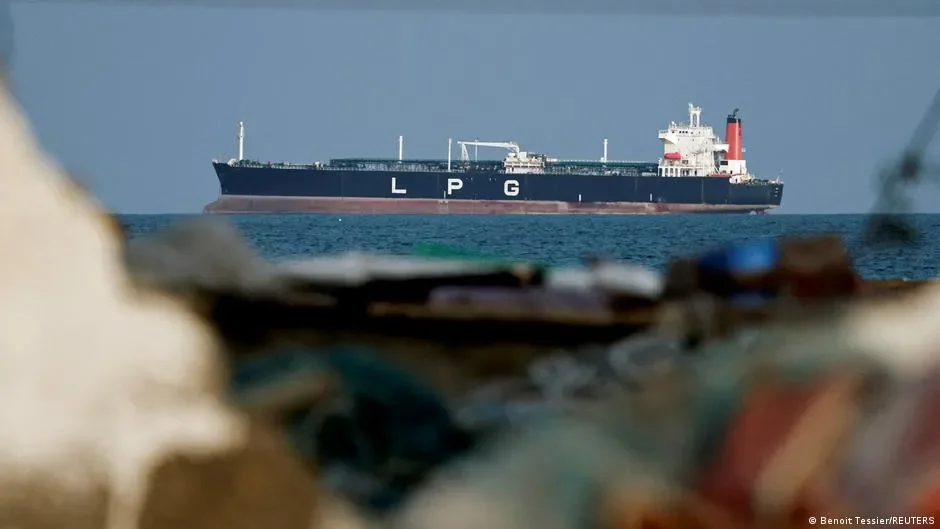
The conflict has escalated beyond Iranian borders, with Iran-linked strikes hitting US positions and a British air base. The ongoing barrage of drones and missiles has fueled regional instability, with some commentators suggesting that such actions embolden calls for the degradation of the Iranian regime. Despite facing significant regional pressure, the regime appears to believe its capacity for "absorption and persistence" outstrips that of its adversaries.
Amidst this volatile environment, pronouncements from figures like former President Trump introduce further complexity. His rhetoric, oscillating between desires for a nuclear deal and enthusiastic endorsements of strikes, adds an element of uncertainty to US policy. Reports suggest that his administration vetoed Israel's alleged plan to assassinate Ayatollah Ali Khamenei, indicating a strategic calculus that deviates from overt aggression. The administration's stated intent to decide on military action within a two-week "psychological negotiating tactic" highlights a calculated approach to leverage and deterrence.
Read More: Universities Add New Courses on Politics and Ethics for Students
Background Narratives
Perspectives from Iranians living under the current circumstances reveal a deep-seated desire for external validation and an American education, a sentiment that has historically been a point of leverage. This focus on influencing the Iranian populace, rather than solely targeting the government, is presented as a fundamental misunderstanding within the US foreign-policy establishment.
The possibility of regime change is framed by some exiled figures as a precursor to peace in the Middle East. However, the complex nature of replacing the Iranian regime is acknowledged, with concerns that a focus on the "spectacle of victory" might overshadow the intricate process of establishing lasting peace. The regime's apparent strategy is seen by some as a high-risk survival tactic, aiming to "buy time to rebuild" amidst ongoing international scrutiny and internal strife.