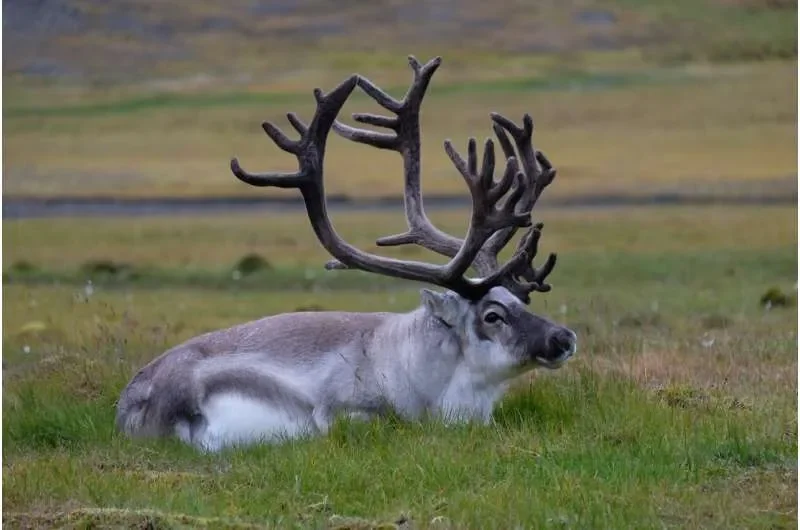
Recent investigations reveal alarming concentrations of persistent chemical pollutants, often termed "forever chemicals," within the bodies of Svalbard reindeer. These animals, a distinct subspecies adapted to the remote Arctic archipelago, show elevated levels of a "cocktail of contaminants" that raise questions about their long-term health and potential pathways into the food chain.
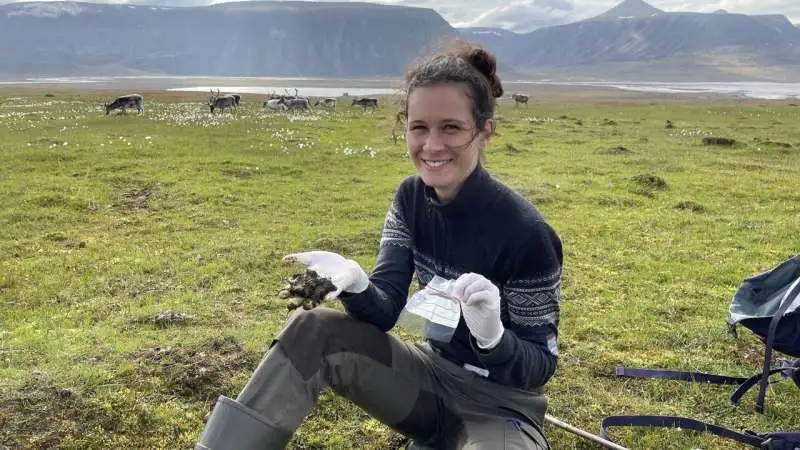
The presence of these pervasive chemicals, including substances like TFA, a refrigerant byproduct, is particularly concerning given Svalbard reindeer's diet of Arctic plants and their unique position as a food source for humans. Researchers studying the reindeer's fecal matter have highlighted its potential as a tool for 'biomonitoring' pollution trends in the region.
The accumulation of these chemicals is linked to the reindeer's natural biological processes. As they build up fat reserves to endure the harsh Arctic winters, these substances become concentrated. This process is not unique to Svalbard reindeer; similar patterns of mercury accumulation have been noted in Arctic soils, suggesting a broader environmental issue.
Read More: Amazon Land Use Changes Cause Disease Clusters in Brazil
While this research focuses on Svalbard's unique subspecies (Rangifer tarandus platyrhynchus), comparisons are being drawn to other Arctic reindeer populations, such as caribou. The findings underscore a complex interplay between remote environments, animal biology, and global pollution.

Background: A Fragile Ecosystem Under Stress
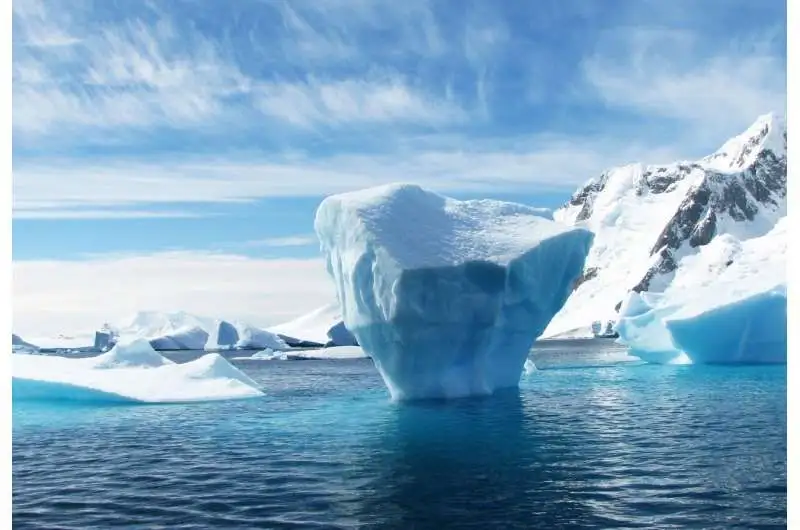
The Norwegian Arctic archipelago of Svalbard, known for its extreme remoteness and unique wildlife, is increasingly becoming a focal point for studies on environmental contamination. The melting of Arctic ice is a significant factor, potentially transporting pollutants like TFA from glaciers into the tundra and fjords, thereby contaminating local ecosystems. This broader Arctic pollution network impacts a range of species, from polar bears to narwhals, and the marine life they depend on.
Studies have explored spatial variations in both toxic and essential elements within Svalbard reindeer populations, noting significant differences between groups that may be influenced by local factors, including human settlements, and varying dietary habits. The logistical challenges of such research are considerable, often requiring extensive fieldwork to collect samples, such as reindeer feces, from these isolated locations.
Read More: Orangutan Mothers Plan Playdates for Babies in Borneo