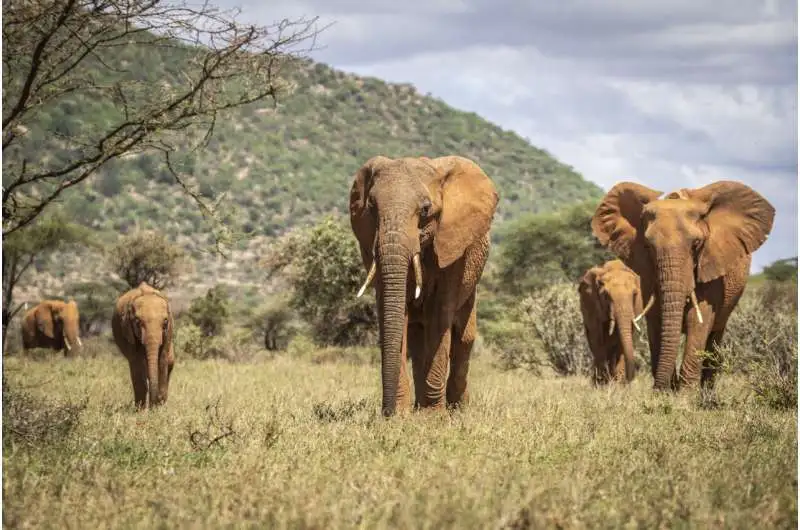
Reserve Microbes Show Troubling Transformations
New analysis suggests the presence of livestock within protected areas is altering the gut bacteria of African savanna elephants. Researchers observed significant changes in the elephants' internal microbial communities when they shared reserves with increased numbers of livestock. Specifically, a genus of methane-producing bacteria, Methanobrevibacter, commonly found in livestock feces, saw an increase. Simultaneously, beneficial bacterial genera, such as Roseburia, known for positive health implications, showed a decrease.
This study, which tracked individual elephants in Kenya's Samburu and Buffalo Springs National Reserves, points to a direct correlation between livestock density and shifts in elephant gut microbiomes. Lead author Jenna Parker, an Assistant Professor at Lake Superior State University, expressed concern, noting that while the immediate harm is unclear, such changes often signal underlying health issues.
Interconnected Ecosystems Under Scrutiny
The findings underscore a complex interplay between the health of wildlife, domestic animals, and potentially humans. Candace Williams, formerly of San Diego Zoo Wildlife Alliance, highlighted that the subtle, previously unrecognized impacts of human activity on wildlife habitats are becoming clearer. This research moves beyond documented issues like habitat encroachment to expose a more nuanced form of disruption occurring within ostensibly protected spaces.
Read More: Orangutan Mothers Plan Playdates for Babies in Borneo
The study was published in Proceedings of the Royal Society B, with contributors including researchers from Lake Superior State University and the San Diego Zoo Wildlife Alliance. Further details regarding statistical analyses, including the influence of individual elephants and laboratory handling, are available in the supplementary materials of the research paper.
Background Notes
The research involved tracking known individual elephants, aiming to understand how factors like livestock exposure, seasonal dietary changes, and an individual elephant's age influence its gut microbiome. The methodology considered various environmental and biological variables to isolate the effects of livestock.
Read More: Nairobi AI Job: DeepAI hires for sensor network building